
Planning a trip to Germany should be exciting, not confusing. Yet, visa rules, passport requirements, travel purposes, and length of stay can leave travellers wondering what they actually need before setting off. Understanding the rules in advance can make your journey much smoother and help you avoid unnecessary problems at the border.
For British citizens, short visits to Germany are generally straightforward because a visa is usually not required for permitted stays of up to 90 days in any 180-day period. However, the situation can be different if you plan to work, study for an extended period, live in Germany, or travel using a different type of UK travel document. This practical guide explains the key points to consider when dealing with a Germany visa for UK citizens.
Do UK Citizens Need a Visa for Germany?
British citizens travelling on a full UK passport generally do not need a visa for short visits to Germany when the trip falls within the permitted Schengen conditions. The 90-day limit applies across the Schengen Area, rather than giving travellers 90 days specifically in Germany.
Short visits can include purposes such as tourism, visiting family or friends, attending certain business activities, and other permitted activities. However, not every type of work or professional activity is covered by visa-free travel.
Before travelling, it is important to identify your exact purpose of travel because the rules can change depending on what you intend to do in Germany.
Understanding the 90-Day Rule
One of the most important points for British travellers is understanding the 90 days in any 180-day period rule. This means your time in Germany and other Schengen countries is counted together.
For example, spending time in France, Italy, Spain, and Germany all contributes to the same Schengen allowance. You cannot simply leave Germany for another Schengen country and restart the 90-day period.
Travellers planning several European trips should keep track of their previous Schengen stays to avoid accidentally exceeding the permitted period.
When a Germany Visa May Be Required
Although short tourist trips are generally visa-free for British citizens, a visa or residence permission may be necessary for longer stays or certain activities.
A different immigration route may apply if you intend to:
- Stay in Germany for more than the permitted short-stay period
- Take up employment
- Study for an extended period
- Move to Germany permanently or temporarily
- Carry out activities that are not permitted under visa-free entry
- Travel using certain UK travel documents
The appropriate application depends on your circumstances, so it is important to identify the correct visa category before preparing documents.
Check Your Passport Before Travelling
Your passport is one of the first things you should check before travelling. Make sure it is valid for the required period and contains accurate personal information.
Travellers should also ensure that the passport they use for their journey is the same document used when making any relevant travel arrangements. If you have recently renewed your passport, check whether airlines, accommodation providers, or other travel bookings need to be updated.
Prepare Evidence for Your Trip
Even when a visa is not required, travellers may need to demonstrate that they meet the conditions for entry. Border officials can ask questions about your trip and may request supporting evidence.
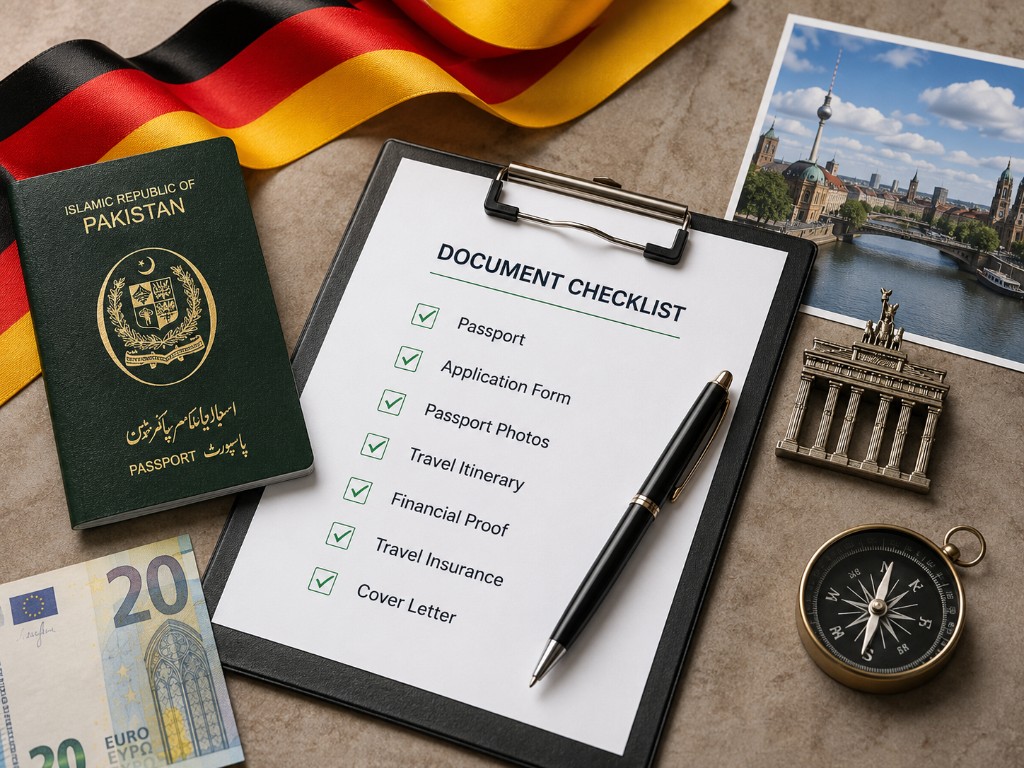
Useful documents can include:
- A valid passport
- Accommodation details
- Return or onward travel information
- Evidence of sufficient financial means
- Travel plans or information about your intended activities
- Supporting documents relevant to your reason for travelling
Keeping important documents accessible can make border procedures easier and reduce stress.
Tourism and Holiday Travel
Germany is a popular destination for UK travellers because of its historic cities, cultural attractions, countryside, festivals, and business centres. Cities such as Berlin, Munich, Hamburg, and Cologne offer different experiences for visitors.
If you are travelling for tourism, make sure your planned activities fall within the permitted conditions for short-term visitors. A tourist trip should not automatically be treated as permission to undertake employment or other restricted activities.
Visiting Family and Friends
Many UK citizens travel to Germany to visit relatives or friends. Short family visits can generally fall within visa-free travel rules when the traveller meets the relevant entry conditions.
It can be useful to keep the address and contact information of your host available. If your accommodation is provided by a friend or family member, having clear details about where you will stay can help you explain your travel plans if asked.
Business Travel to Germany
Business travel can involve meetings, conferences, trade events, or other professional activities. Some short business activities may be permitted without a visa, but this does not mean that every form of work is allowed.
If your trip involves providing services, taking up employment, or performing other substantial professional activities, check the specific German immigration rules before travelling. The distinction between a business visit and employment can be important.
Long-Term Study or Employment
Students and workers planning to remain in Germany for an extended period should not assume that short-stay visa-free rules apply to them. Long-term study and employment generally involve different immigration requirements.
Depending on your circumstances, you may need to obtain the appropriate German visa or residence permission before beginning your planned activity. Start researching well in advance because long-term applications can involve additional documents and processing stages.
What About UK Residents Who Are Not British Citizens?
Living in the UK does not automatically mean that you have the same visa-free travel rights as a British citizen. Visa requirements are generally based on nationality and the travel document you hold.
A non-British citizen living in the UK may need a Schengen visa to visit Germany, depending on their nationality and circumstances. UK residence status by itself does not necessarily remove a visa requirement.
Special UK Travel Documents
Not every UK-issued travel document provides the same travel rights as a full British citizen passport. Travellers using alternative UK travel documents should check the specific German requirements before making travel arrangements.
This is particularly important because visa requirements can depend on the nationality and type of travel document rather than simply the fact that the document was issued in the UK.
Germany Entry Checks and Border Procedures
Even travellers who do not require a visa must still satisfy Germany’s entry conditions. Border officials may ask about the purpose of your trip, accommodation, finances, and intended length of stay.
The EU’s Entry/Exit System also affects how certain non-EU short-stay travellers are registered when entering or leaving the Schengen Area. Travellers should be prepared for additional border procedures and provide accurate information when requested.
Common Mistakes UK Travellers Should Avoid
Small mistakes can create unnecessary difficulties during international travel. Before leaving, avoid:
- Assuming every UK resident has the same visa-free rights
- Confusing visa-free travel with permission to work
- Ignoring the 90-day Schengen calculation
- Using an unsuitable travel document
- Failing to check passport validity
- Relying on outdated visa information
- Making long-term plans without checking the correct immigration route
Taking a few minutes to verify the latest requirements can prevent significant problems later.
How to Prepare for a Germany Visa for UK Citizens
If your circumstances mean that you actually need a visa, preparation should begin by identifying the correct visa category. Gather the required documents, check the application procedure, and make sure the information you provide is accurate and consistent.
Depending on the visa type, you may need documents relating to:
- Your passport and personal information
- Purpose of travel
- Accommodation
- Financial circumstances
- Employment or education
- Health insurance where required
- Previous travel or immigration history where relevant
Never submit false or altered information. If you are unsure about a requirement, use official German immigration guidance or contact the relevant German mission for clarification.
Final Thoughts
Understanding the rules surrounding a Germany visa for UK citizens can make travel planning much easier. For British citizens, short permitted visits are generally visa-free, but the conditions surrounding length of stay and permitted activities still matter.
The key is to distinguish between tourism, visiting family, business travel, employment, study, and long-term residence. Each situation can involve different requirements, so travellers should avoid assuming that one set of rules applies to everyone.
Good preparation also means checking your passport, keeping relevant travel documents accessible, understanding the Schengen 90-day rule, and verifying the latest requirements before departure.
Ultimately, careful planning can help you travel with greater confidence. If your trip involves a longer stay or activities beyond ordinary short-term travel, research the appropriate German immigration route well in advance.


