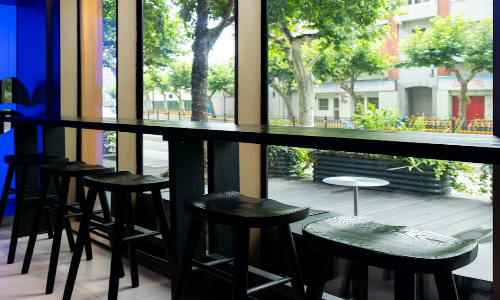
A café is more than a place to serve coffee and food; it is an experience shaped by ambience, comfort, visual identity, and functionality. Professional Cafe Interior Designing focuses on creating spaces that attract customers while supporting efficient staff operations. From seating arrangements and lighting to furniture, colors, décor, and service areas, every element can contribute to a memorable café environment.
Several principles from Office Interior Design Trends That Improve Productivity can also be applied to café planning, especially efficient space utilization, comfortable furniture, functional layouts, effective lighting, and thoughtful circulation. While a café has a different purpose from an office, these planning principles can help create an environment that works smoothly for both customers and staff.
Understanding the Café Concept
Every café has its own identity and target audience. A contemporary coffee shop may require a minimalist design, while a themed café may use distinctive colors, artwork, textures, and furniture.
Designers first understand the concept, menu, customer profile, available space, and operational requirements before developing the interior design.
Efficient Space Planning
Space planning is one of the most important aspects of café interiors. The layout needs to accommodate customers, tables, chairs, counters, staff movement, storage, and service areas without creating congestion.
Different seating zones can be incorporated depending on the available area. Individual seating, communal tables, booths, and lounge-style arrangements can provide customers with different experiences.
Attractive Café Furniture
Furniture contributes significantly to the overall appearance and comfort of a café. Tables and chairs should be selected according to the design theme while providing suitable comfort for customers.
Compact furniture can be useful for smaller cafés, while larger establishments may incorporate sofas, benches, bar stools, and communal tables to create varied seating options.
Café Counter Design
The service counter is often a major visual feature of a café. It should be designed to support efficient ordering and service while complementing the overall interior.
The counter can incorporate storage, display areas, equipment zones, billing facilities, and branding elements. Its placement should also support smooth communication between customers and staff.
Lighting and Ambience
Lighting can dramatically influence the atmosphere of a café. Pendant fixtures, wall lights, recessed lighting, decorative lamps, and concealed illumination can be combined to create different moods.
Brighter task lighting can be provided around service areas, while softer lighting can create a relaxed atmosphere in customer seating zones.
Colors and Materials
Colors and materials help establish the café’s personality. Warm wood tones can create a cozy appearance, while metal, concrete, glass, and bold finishes can support contemporary or industrial concepts.
Materials should also be selected based on durability and maintenance requirements because cafés experience regular customer traffic and frequent cleaning.
Creating Instagram-Friendly Spaces
Visual appeal has become an important part of café design. Distinctive walls, artistic details, attractive lighting, greenery, signage, and carefully selected décor can create memorable areas.
However, decorative elements should be balanced with comfort and functionality. A visually impressive space should still provide practical seating and convenient circulation.
Kitchen and Service Areas
Customer-facing areas are only one part of café planning. The kitchen, preparation zones, washing areas, storage, and staff circulation also require careful consideration.
Efficient placement of equipment and workstations can help staff move smoothly between preparation and service areas.
Storage Solutions
Storage is essential for coffee supplies, ingredients, crockery, packaging, cleaning materials, and other essentials.
Built-in cabinets, shelves, overhead storage, and under-counter compartments can help keep supplies organized without taking unnecessary space away from customers.
Acoustics and Customer Comfort
Noise levels can affect the overall café experience. Furniture, wall finishes, ceilings, curtains, upholstery, and other materials can contribute to better sound management.
Comfortable seating, appropriate temperature, ventilation, and suitable lighting also help customers enjoy their time in the space.
Branding Through Interior Design
The interior should communicate the café’s brand identity. Colors, furniture, signage, graphics, materials, lighting, and décor can be coordinated to create a recognizable visual language.
A consistent interior can help customers associate the physical environment with the café brand.
Choosing Professional Café Designers
When selecting a café interior design provider, consider:
- Experience with commercial and hospitality projects
- Space-planning capabilities
- Furniture and material expertise
- Lighting design
- Branding integration
- Kitchen and service-area planning
- Customization options
- Project management
- Quality of execution
- Budget and timeline management
Conclusion
Professional Cafe Interior Designing can transform an ordinary commercial space into an attractive and functional destination. A successful café interior balances customer comfort, operational efficiency, branding, aesthetics, storage, lighting, and space utilization.
The principles associated with Office Interior Design Trends That Improve Productivity also demonstrate the importance of thoughtful layouts, comfortable environments, efficient circulation, and functional planning. Applying these ideas to café interiors can help create spaces that are visually appealing, operationally efficient, and memorable for customers.


