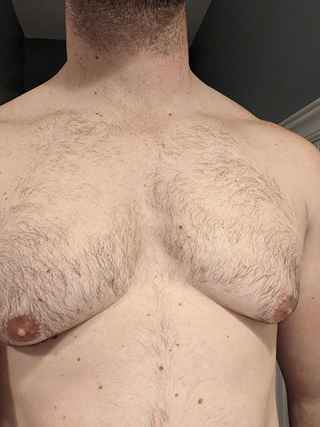
Gynecomastia Surgery Abu Dhabi also known as male breast reduction surgery, is a cosmetic procedure designed to reduce enlarged breast tissue in men. This surgery can help restore a more masculine chest contour, improving both physical appearance and self-esteem. However, not everyone is a suitable candidate for gynecomastia surgery. Understanding the characteristics of an ideal candidate can help ensure that the surgery is effective and safe.
What is Gynecomastia?
Gynecomastia is a condition characterized by the enlargement of breast tissue in men, often caused by an imbalance in hormones. It can occur at any age, from adolescence to adulthood, and can result in physical discomfort, embarrassment, or a lack of confidence. The condition can be caused by various factors, including hormonal changes, genetics, certain medications, or underlying health conditions.
Characteristics of an Ideal Candidate for Gynecomastia Surgery
1. Good Overall Health
The first and most important requirement for gynecomastia surgery is that the candidate is in good overall health. Ideal candidates should be free from serious medical conditions such as heart disease, diabetes, or high blood pressure. Being in good health ensures that the body can handle the surgery and recover effectively.
Surgery places strain on the body, and having good health reduces the risk of complications. Therefore, prior to surgery, candidates will undergo a thorough medical examination to assess their physical well-being.

2. Stable Weight
Ideal candidates for gynecomastia surgery should maintain a stable weight. Significant fluctuations in weight, either through weight gain or loss, can affect the results of the surgery and cause changes in the breast tissue. While some weight fluctuation is normal, maintaining a consistent weight before surgery ensures that the outcome is long-lasting and predictable.
Candidates should aim to be at or near their ideal body weight before considering surgery. This helps the surgeon achieve the most natural and proportional results.
3. Realistic Expectations
An ideal candidate for gynecomastia surgery should have realistic expectations about the results. While the surgery can significantly improve the appearance of the chest, it cannot provide perfection. Patients should understand that gynecomastia surgery is aimed at creating a more proportionate chest, rather than a completely “perfect” appearance.
Candidates should also recognize that some post-operative care and patience are required as the healing process takes time. Realistic expectations about the recovery process and long-term outcomes are crucial for a satisfactory experience.
4. Persistent or Severe Gynecomastia
Gynecomastia surgery is typically recommended for individuals with persistent or severe gynecomastia that does not improve with non-surgical treatments. This includes cases where the condition causes discomfort, emotional distress, or limits physical activity.
Men who have enlarged breast tissue that has not responded to diet changes, exercise, or medication may benefit most from surgery. The condition should be stable, with no changes or fluctuating symptoms for at least 6 months before surgery.
5. Age Considerations
Gynecomastia surgery is most effective for individuals who have reached full physical maturity. In general, surgery is suitable for men aged 18 and older, although it can be performed in younger individuals if the condition persists after puberty.
In some cases, gynecomastia resolves on its own during adolescence as hormone levels stabilize. However, if the condition persists beyond this stage, surgery may be necessary to achieve long-term results. On the other hand, older individuals may need to consider their overall health and recovery potential before opting for surgery.
6. Absence of Major Underlying Conditions
Candidates should not have any underlying medical conditions that could contribute to gynecomastia, such as hormonal imbalances or certain genetic disorders. If an underlying medical condition is found, it should be treated or managed before considering surgery.
In some cases, gynecomastia may be secondary to a medical condition such as a thyroid disorder, liver disease, or the use of certain medications. These conditions need to be addressed before proceeding with surgery to ensure the best outcome.
When Should Surgery Be Considered?
Gynecomastia surgery should be considered when:
- Physical Discomfort: The enlargement of the breast tissue causes pain, tenderness, or discomfort, particularly during physical activities.
- Psychological Impact: The condition has caused significant emotional distress or self-esteem issues, leading to social withdrawal or body image concerns.
- Non-Surgical Options Have Failed: Weight loss, exercise, or medication have not yielded satisfactory results, and the condition persists.
Conclusion
Gynecomastia surgery can be an excellent solution for individuals who are bothered by the appearance of enlarged male breasts. The ideal candidate is someone in good health, with stable weight, realistic expectations, and persistent gynecomastia. If you are considering the procedure, a consultation with a qualified surgeon is essential to assess your individual needs and determine if you are a suitable candidate. By understanding the characteristics of an ideal candidate, you can make an informed decision about whether gynecomastia surgery is the right option for you


