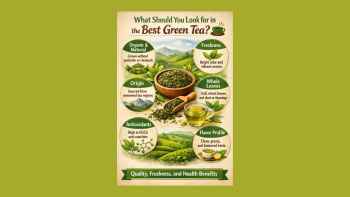
Green tea has become one of the most popular beverages around the world, treasured not only for its light and refreshing taste but also for its wide range of health benefits. From aiding digestion to supplying powerful antioxidants, green tea can be much more than just a calming drink — it’s a wellness ally. But not all green teas are created equal. In a market flooded with options, knowing what to look for in the best green tea helps ensure you make a choice that’s both flavourful and beneficial for your health.
Why Choosing the Best Green Tea Matters
Health Benefits Backed by Research
Green tea is rich in antioxidants and bioactive compounds that nourish the body and support overall wellness. These components— especially catechins like EGCG — have been shown in studies to assist heart health, improve metabolism, aid brain function, and lower the risk of certain chronic conditions.
Many premium green teas are also low in caffeine compared to coffee, providing a gentle lift without jitters, making them ideal for daily consumption.
A Daily Wellness Ritual
A cup of green tea isn’t just a drink — it’s a daily ritual. Whether you savour a refreshing blend like Strawberry Herb Bliss – Fruity Green Tea with Hibiscus & Lemongrass or a classic whole-leaf brew like Darjeeling Reserve Second Flush | Premium Darjeeling Green Tea, a quality green tea can support not just your body but your moments of calm and focus throughout the day.
Key Criteria for Selecting the Best Green
Tea
Quality of Tea Leaves
The foundation of the best green tea lies in the quality of its leaves. Look for teas made from whole or minimally broken leaves, not dust or fannings. Whole leaves retain essential oils and antioxidants that contribute to flavour and wellness benefits.
A good tea will have leaves that are uniform in size and shape, with a fresh green colour. Avoid dull, brownish, or uneven leaf appearance — these often indicate older or poorly stored tea.
Aroma, Colour & Freshness
Quality green tea should have a fresh, inviting aroma — whether grassy, floral, or subtly sweet — not musty, flat, or chemically scented. The cup should produce a clear, vibrant green-yellow brew when steeped, indicating proper processing and freshness.
Always check for harvest or packaging dates if available. Fresher tea tends to have higher levels of nutrients and aromatic compounds.
Packaging & Storage
Green tea is sensitive to light, moisture, and air — all of which can degrade flavour and antioxidants. The best green tea will be kept in airtight, opaque, resealable packaging that protects it from elements that might reduce its quality.
Loose leaf tea stored correctly will often outlast tea in flimsy bags with little protection.
Organic & Ethical Certifications
Choosing organic green tea guarantees that the leaves were grown without synthetic pesticides or fertilizers. Look for certifications from trusted agencies like USDA Organic, EU Organic, or similar bodies, which ensure purity and environmentally responsible farming practices.
Fair Trade or other ethical certifications also indicate that farmers were treated and compensated fairly — a sign that a brand cares about sustainability.
Sourcing & Origin Transparency
Flavour Profile & Blends
Some green teas are purely traditional vegetal and subtle while others combine flavors for a unique experience. For example, fruity or herbal blends can add complexity and refreshing notes to your cup. The best green tea aligns with your taste preference but avoids artificial flavors or preservatives.
Loose Leaf vs Tea Bags
Loose leaf generally offers the richest flavour and best quality because it uses larger, intact leaves. Tea bags, however, might be more convenient and still offer good quality if the tea inside is premium.
High-quality tea bags can be an excellent entry point for beginners, but enthusiasts often prefer loose leaf for its fuller taste and greater control over strength.
Different Types of High-Quality Green Tea
Understanding green tea varieties can also help in picking the best one for you. Popular choices include:
-
Sencha — a classic Japanese option with a grassy, fresh flavour.
-
Matcha — powdered green tea with concentrated antioxidants.
-
Gyokuro & Hojicha — premium and aromatic styles with unique tastes.
Each type serves different flavour preferences and brewing methods.
Brewing Tips to Get the Best Cup
Even the best green tea can taste bitter or flat if brewed incorrectly. For an optimal cup:
-
Use water at 70–85°C — avoid boiling water.
-
Steep for 2–3 minutes (adjust to taste).
-
Avoid over-steeping, which can make the brew bitter.
Fresh, properly brewed tea lets you enjoy the full spectrum of flavour and health benefits.
Conclusion
Selecting the right green tea goes beyond looking at the price tag or attractive packaging — it’s about freshness, sourcing, overall quality, and how well it aligns with your flavor preferences and health goals. When you choose a premium green tea, it not only fits seamlessly into your daily routine but also helps you get the most out of its natural wellness benefits.
Whether you prefer a delicate whole-leaf option like premium Darjeeling green tea or a vibrant herbal blend, understanding the criteria above empowers you to make informed choices that delight your senses cup after cup.


