
Applying for a UK visa for the first time can feel confusing. New applicants often have questions about which visa they need, what documents they should provide, how much money they need, and what happens after submitting the application. Understanding the process before starting can make the experience more organised and reduce avoidable mistakes.
The UK Visa Requirements depend on several factors, including the purpose of travel, the type of visa, the applicant’s circumstances, and the length of the intended stay. A visitor, student, worker, or family member may face different requirements. For this reason, applicants should always focus on the rules for their specific visa category rather than using a general checklist.
What Are UK Visa Requirements?
UK Visa Requirements are the conditions applicants must meet when applying for permission to enter or stay in the United Kingdom under a particular immigration route. These conditions can cover eligibility, supporting documents, finances, sponsorship, English language ability, identity, and other factors.
The requirements vary between visa categories. Some applications may be relatively simple, while others require extensive supporting evidence. Understanding the correct requirements is therefore one of the first steps for a new applicant.
1. Identify the Correct Visa Category
Before preparing documents, determine why you want to travel to the UK. The purpose of your journey usually determines which visa route is appropriate.
Common categories include visitor, student, work, and family-related routes. Each category has its own eligibility conditions and restrictions. Choosing the correct route from the beginning can help prevent unnecessary complications later in the process.
2. Check Your Eligibility
Once you identify the appropriate category, carefully review its eligibility conditions. Do not assume that meeting the requirements for one visa automatically means you qualify for another.
The UK Visa Requirements relevant to you may involve your circumstances, financial position, education, employment, sponsorship, family relationship, or other evidence depending on the route. Make a checklist based specifically on your application.
3. Prepare a Valid Passport
A valid passport or accepted travel document is an essential part of the visa process. Your application information should match your passport exactly.
Check your name, date of birth, passport number, nationality, and other personal details before submitting the application. Even a simple typing error can create avoidable administrative issues.
4. Complete the Application Form Carefully
New applicants should take their time when completing the application form. Read each question carefully and provide truthful, accurate information.
Do not leave required sections incomplete or provide information simply because you think it will improve your chances. The information in your application should be supported by genuine evidence where required.
5. Prepare the Right Supporting Documents
Supporting documents help demonstrate that an applicant meets the relevant requirements. The documents needed depend on the visa category and individual circumstances.
Depending on the route, applicants may need documents such as:
- Passport or travel document
- Financial evidence
- Employment records
- Educational documents
- Sponsorship information
- Accommodation details
- Relationship evidence where relevant
- Proof of qualifications
- Other category-specific documents
New applicants should avoid submitting unnecessary documents while also making sure that required evidence has not been overlooked.
6. Understand Financial Requirements
Financial requirements are an important part of some UK visa routes. Applicants may need to demonstrate that they can meet particular financial conditions or support themselves during their stay.
The evidence accepted can vary. Depending on the route, this might involve bank statements, payslips, sponsorship evidence, or other financial records. Applicants should check the current requirements that apply to their specific visa rather than relying on a general amount found online.
7. Check English Language Requirements
Some visa categories include an English language requirement, while others may not. Where an English test or another form of evidence is required, applicants should confirm which forms of evidence are accepted.
Do not assume that the same English-language rules apply to every visa category. Checking the relevant UK Visa Requirements before taking a test can help prevent unnecessary costs or delays.
8. Provide Genuine and Accurate Evidence
Honesty is essential throughout the visa application process. Applicants should provide genuine documents and accurate information about their circumstances.
Financial records, employment details, education history, family information, and other evidence should be consistent with the information in the application. False, altered, or misleading documents can create serious problems.
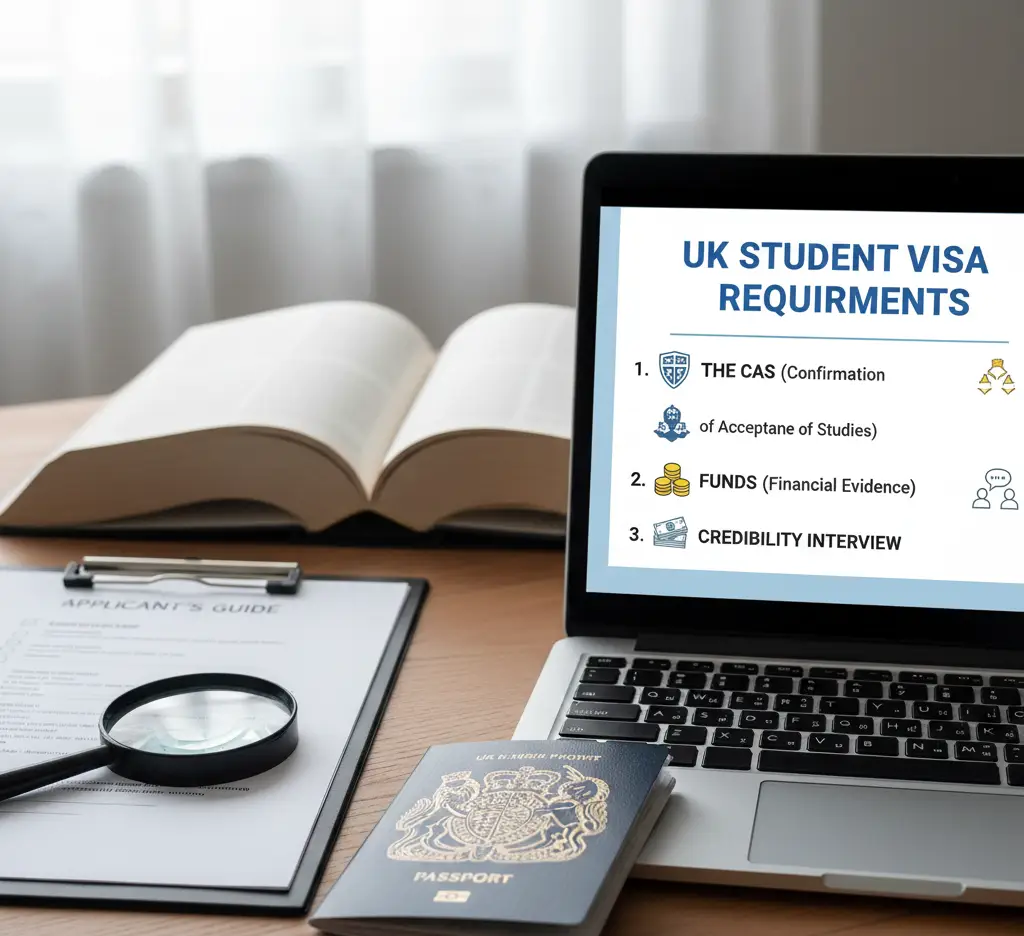
9. Complete Biometric Requirements
Many applicants need to provide biometric information as part of the visa process. Depending on the application and location, this can involve attending an appointment at a designated visa application centre.
New applicants should follow the appointment instructions carefully and take the documents they are asked to provide. Keeping the appointment details safely recorded can also help prevent missed appointments.
10. Pay the Required Fees
Visa applications can involve different fees depending on the immigration route and circumstances. Applicants should check the current official fee information before submitting their application.
Some routes may also involve additional charges. Understanding the total expected cost in advance can help applicants plan their finances and avoid surprises during the process.
11. Check Translation Requirements
Applicants may need to provide translations for documents that are not in English or Welsh, depending on the relevant requirements.
Translation rules can vary, so do not assume that an informal translation will always be accepted. Check the instructions for your specific visa before preparing translated documents.
12. Apply With Enough Preparation Time
Starting early can make a major difference. Applicants may need time to obtain certificates, collect financial evidence, arrange translations, complete English-language requirements, or attend appointments.
Leaving everything until the last minute can increase stress and the risk of missing an important requirement. A preparation timeline can help new applicants manage each stage more effectively.
13. Keep Your Information Consistent
Consistency is an important part of a well-prepared application. Information across your form and supporting documents should accurately reflect your circumstances.
Before submission, compare important details such as names, dates, addresses, employment information, education history, and financial information. If something has changed, make sure the application accurately reflects the relevant circumstances.
14. Understand What Happens After Submission
Submitting an application does not necessarily mean the process is finished. Applicants may need to attend an appointment, provide additional information, or respond to a request from the relevant authority.
Monitor your application-related communications and respond to legitimate requests within the required timeframe. Keep copies of submitted forms and supporting documents for your records.
Common Mistakes New Applicants Should Avoid
First-time applicants can make avoidable mistakes when they are unfamiliar with the process. Common problems include:
- Selecting an unsuitable visa category
- Using outdated requirements
- Providing incomplete information
- Forgetting required documents
- Submitting inconsistent evidence
- Missing an appointment
- Ignoring translation requirements
- Leaving preparation until the deadline
- Providing false or altered documents
Careful preparation can help reduce many of these risks.
Should New Applicants Use Professional Support?
Some applicants choose professional assistance when they find the process complicated. A suitable adviser or application support service may help explain requirements, organise documents, or review an application before submission.
However, applicants should choose professional support carefully. No legitimate service can guarantee visa approval. Applicants remain responsible for providing truthful information and genuine documents.
How to Prepare a Stronger Application
A good preparation strategy is simple: research, organise, check, and review. First, identify the correct visa category and understand its requirements. Next, prepare the necessary documents and complete the application accurately.
Before submitting, compare your application against the latest requirements for your specific route. Check every important detail and keep copies of everything you submit.
Final Thoughts
Understanding the UK Visa Requirements is one of the most important steps for new applicants. The correct visa category, accurate information, appropriate documents, and careful preparation can make the process easier to manage.
Applicants should remember that requirements differ between visa categories and individual circumstances. A general checklist may not contain everything relevant to a particular application, so checking the latest official guidance is essential.
Starting early also gives applicants more time to collect documents, arrange appointments, correct errors, and address any missing requirements. Rushing the process can create unnecessary problems.
With careful research, genuine evidence, accurate information, and a clear preparation plan, new applicants can approach their UK visa application with greater confidence and a better understanding of the UK Visa Requirements that apply to them.


