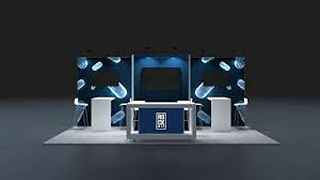
As Oman positions itself as a key player in the regional and global exhibition landscape, the demand for innovative and versatile exhibition stands is on the rise. Modular exhibition stands are becoming increasingly popular, offering brands flexibility, efficiency, and sustainability. This article explores the emerging trends in modular exhibition stands and what they mean for the future of exhibitions in Oman.
1. Flexibility and Customization
One of the defining features of modular exhibition stands is their adaptability. In an ever-evolving marketplace, brands need the ability to modify their stands for different events and audiences. Here are some ways this flexibility is manifesting:
- Interchangeable Components: Modular stands consist of pre-designed components that can be easily reconfigured to create various layouts and designs. This allows brands to customize their presence based on the specific needs of each exhibition. For instance, a company can expand its stand for a larger event or scale it down for smaller exhibitions without sacrificing impact.
- Branding Versatility: Modular designs enable brands to showcase different aspects of their identity, adapting signage and visuals to align with the theme of each event. This versatility allows exhibitors to maintain brand consistency while also tailoring their presentation to resonate with local audiences.
2. Sustainability and Eco-Friendly Practices
As global awareness of environmental issues rises, the demand for sustainable exhibition practices is more pronounced. In Oman, where sustainability is becoming a key focus, modular exhibition stands are leading the way:
- Reusable Materials: Modular stands are designed for multiple uses, reducing waste and the need for new materials for each event. Brands can invest in high-quality components that can be reused over time, significantly lowering their environmental footprint.
- Eco-Friendly Options: Many modular stand builders are now offering eco-friendly materials, such as recycled plastics, sustainably sourced wood, and non-toxic finishes. This shift allows brands to demonstrate their commitment to sustainability while also appealing to eco-conscious consumers.
- Carbon Offset Initiatives: Some exhibitors are taking it a step further by partnering with organizations to offset the carbon footprint of their exhibition presence. This can include planting trees or supporting renewable energy projects, adding another layer of sustainability to their brand image.
3. Technological Integration
The incorporation of technology into modular exhibition stands is transforming how brands engage with visitors. In Oman, this trend is gaining momentum, and here’s how:
- Interactive Displays: Modular stands are increasingly integrating interactive technologies such as touchscreens, virtual reality (VR), and augmented reality (AR). These technologies allow brands to create immersive experiences that captivate visitors and facilitate deeper engagement.
- Digital Signage: The use of digital screens for dynamic presentations, video loops, or live social media feeds is becoming standard in modular designs. This digital approach can easily be adapted for various events and helps brands convey messages effectively.
- Data Analytics Tools: Exhibitors are now leveraging technology to collect data on visitor interactions. Analytics tools integrated into modular stands can track foot traffic, engagement levels, and demographic information, allowing brands to assess their impact and refine future strategies.
4. Streamlined Logistics and Cost Efficiency
The logistics involved in setting up and dismantling exhibition stands can be complex and costly. Modular stands address these challenges through:
- Simplified Setup: Modular components are designed for easy assembly and disassembly, often requiring fewer labor hours. This efficiency translates to reduced costs and less time spent on logistics, allowing brands to focus more on engaging with visitors.
- Transport Efficiency: Modular stands are generally lighter and more compact than traditional custom-built stands. This not only reduces shipping costs but also minimizes the carbon footprint associated with transportation. For exhibitors traveling to multiple events, this is a significant advantage.
- Budget-Friendly Options: While high-quality modular stands can require an upfront investment, the ability to reuse and adapt them for various exhibitions makes them cost-effective over time. Brands can achieve a professional presence without the financial burden of creating new stands for each event.
5. Focus on Visitor Experience
As competition for visitor attention intensifies, creating a memorable experience has become paramount. Modular exhibition stands can enhance visitor engagement through:
- Comfortable Spaces: Future modular designs are likely to incorporate comfortable seating areas and lounges where visitors can relax and engage in discussions. This hospitality-oriented approach fosters deeper connections and encourages longer visits.
- Collaborative Areas: Creating spaces for workshops, live demonstrations, or networking sessions within modular stands can enhance visitor participation. This encourages attendees to interact not only with the brand but also with each other, building a sense of community.
- Experiential Marketing: Brands are increasingly using modular stands to facilitate experiential marketing. By creating hands-on experiences that resonate with visitors, such as product trials or interactive games, brands can leave a lasting impression.
6. Cultural Sensitivity and Local Adaptation
As Oman attracts a diverse range of exhibitors and visitors, there is a growing need for cultural sensitivity in exhibition design. Modular stands can be tailored to reflect local culture and values:
- Cultural Elements: Incorporating Omani design elements, such as traditional motifs or colors, can create a sense of connection with local audiences. This approach demonstrates respect for the host culture while also enhancing brand relatability.
- Localized Content: Modular stands can be easily adapted to showcase region-specific products, services, and marketing messages. This localization ensures that brands resonate more deeply with their audience.
- Community Engagement: Engaging with local communities through partnerships or sponsorships can enhance a brand’s image and foster goodwill. Modular stands can be designed to highlight these community connections.
7. Future Innovations
Looking ahead, the modular exhibition stand landscape in Oman is poised for further innovations. Potential future trends include:
- Smart Technology: The integration of smart technology, such as IoT devices, could allow for real-time monitoring of visitor engagement and stand performance. This data can be used to optimize the experience instantly.
- Biophilic Design: The incorporation of natural elements into modular stands, such as plants or natural materials, aligns with growing wellness trends and promotes a calming atmosphere. This approach not only enhances aesthetics but also improves air quality and visitor mood.
- 3D Printing: Advances in 3D printing technology could revolutionize modular stand construction by allowing brands to create unique components on-demand, further enhancing customization and flexibility.
Conclusion
The future of modular exhibition stands in Oman is bright, driven by trends that prioritize flexibility, sustainability, technological integration, and visitor experience. As the exhibition industry continues to evolve, brands that embrace these trends will be better positioned to engage audiences and create lasting impressions. By investing in innovative modular solutions, exhibitors can navigate the challenges of the modern exhibition landscape, ensuring their brand remains relevant and impactful in an increasingly competitive environment. With Oman’s strategic growth in this sector, the potential for creativity and innovation in modular stand design is limitless, promising exciting opportunities for brands and visitors alike.


