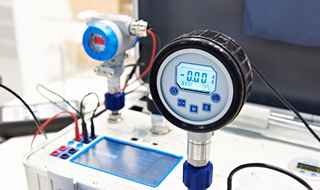
In the world of scientific research and industrial applications, the accuracy and reliability of laboratory equipment are paramount. Laboratories, whether in healthcare, pharmaceuticals, food testing, or environmental analysis, rely on high-quality instruments to deliver precise results. This article explores the significance of laboratory equipment supplying and calibration services, emphasizing their roles in ensuring operational excellence and maintaining scientific integrity.
1. The Importance of Quality Laboratory Equipment
Laboratory equipment forms the backbone of any research or testing facility. From simple glassware to advanced analytical instruments, the quality of equipment directly impacts the accuracy of results. Here’s why sourcing quality laboratory equipment is essential:
- Accuracy and Precision: High-quality instruments are designed to deliver accurate measurements, which is critical for research outcomes, product development, and quality control processes.
- Durability and Reliability: Reliable equipment minimizes downtime, ensuring that laboratory operations run smoothly without frequent interruptions for repairs or replacements.
- Compliance with Standards: Quality laboratory equipment often meets or exceeds industry standards, which is crucial for laboratories that need to comply with regulatory requirements, such as ISO standards or FDA guidelines.
- Safety: Using well-designed, reliable equipment reduces the risk of accidents and ensures the safety of laboratory personnel.
2. Choosing the Right Laboratory Equipment Supplier
Selecting the right supplier is a critical step in ensuring that a laboratory is well-equipped to meet its goals. Here are key factors to consider when choosing a laboratory equipment supplier:
- Reputation and Reliability: Choose suppliers with a strong reputation for providing high-quality products and reliable customer service. Look for reviews, testimonials, and case studies to gauge the experiences of other customers.
- Range of Products: A good supplier should offer a wide range of products to meet the diverse needs of your laboratory, from basic tools to advanced analytical instruments.
- Technical Support and Training: Suppliers who provide technical support and training can help ensure that your team is well-equipped to operate and maintain the equipment efficiently.
- Warranty and Service Agreements: A supplier that offers warranties and comprehensive service agreements adds an extra layer of security, ensuring that any issues with the equipment are promptly addressed.
- Compliance with Standards: Ensure that the supplier provides equipment that complies with relevant industry standards and certifications.
3. The Role of Calibration Services
Calibration is the process of configuring an instrument to provide accurate measurements by comparing it to a standard reference. Over time, the accuracy of laboratory equipment can drift due to factors like regular use, environmental conditions, and aging components. Here’s why calibration services are essential:
- Ensuring Accuracy: Regular calibration ensures that instruments provide accurate and reliable results, which is essential for maintaining the integrity of research, production, and quality control processes.
- Compliance with Regulations: Many industries require regular calibration of laboratory equipment to comply with regulatory standards. For example, laboratories accredited to ISO/IEC 17025 must demonstrate that their equipment is properly calibrated.
- Minimizing Errors: Calibration reduces the risk of measurement errors, which can lead to incorrect data, faulty products, or compromised safety.
- Extending Equipment Lifespan: Regular calibration and maintenance can extend the lifespan of laboratory equipment, protecting your investment and reducing the need for costly replacements.
4. Choosing a Calibration Service Provider
Selecting a reputable calibration service provider is as important as choosing the right equipment supplier. Here are key considerations:
- Accreditation: Ensure that the calibration service provider is accredited by a recognized body, such as ISO/IEC 17025, which ensures that the provider meets international standards for competence.
- Experience and Expertise: Look for providers with extensive experience in calibrating the specific types of equipment used in your laboratory. Expertise in the relevant industry is also a plus.
- Turnaround Time: The provider should offer quick turnaround times to minimize disruption to your laboratory operations.
- Comprehensive Service: A good calibration service provider should offer a full range of services, including on-site calibration, off-site calibration, and equipment repair if needed.
- Documentation and Traceability: Proper documentation is essential for compliance and audit purposes. Ensure that the calibration provider offers detailed certificates and traceable records.
5. The Synergy Between Equipment Supply and Calibration Services
The relationship between laboratory equipment suppliers and calibration service providers is often synergistic. Many suppliers offer calibration services as part of their package, ensuring that the equipment is ready for immediate use upon delivery. This integration of services provides several benefits:
- Streamlined Operations: Having a single point of contact for both equipment supply and calibration simplifies logistics and coordination, saving time and reducing complexity.
- Consistency in Quality: When the same provider handles both supply and calibration, there is a greater assurance of consistent quality and compatibility between the equipment and its calibration processes.
- Cost Efficiency: Bundling equipment supply and calibration services can result in cost savings through package deals or long-term service agreements.
Conclusion
Laboratory equipment supplying and calibration services are integral to the success of any research or industrial laboratory. High-quality equipment ensures accuracy, reliability, and safety, while regular calibration maintains the precision of measurements and compliance with regulatory standards. By carefully selecting suppliers and calibration providers, laboratories can enhance their operational efficiency, protect their investments, and uphold the integrity of their scientific endeavors. Whether you are setting up a new laboratory or maintaining an existing one, prioritizing quality in both equipment and calibration services is essential for achieving scientific excellence.
Leave a Reply