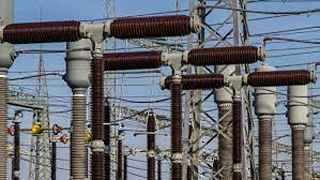
Transformers play a crucial role in electrical power systems, ensuring the efficient transmission and distribution of electricity. Regular maintenance is essential to prevent unforeseen failures that could lead to costly downtime and potential safety hazards. In recent years, the integration of advanced diagnostics and proactive maintenance strategies has become increasingly vital for transformer health management. This article explores various testing methodologies and strategies that can be employed to ensure the reliable performance of transformers, focusing on proactive maintenance through diagnostics.
- Importance of Transformers in Power Systems:
Transformers serve as the backbone of electrical power systems, facilitating the transmission and distribution of electricity across vast networks. They are responsible for stepping up voltage for long-distance transmission and stepping it down for safe distribution to end-users. The reliability and efficiency of transformers are critical to the overall performance of power grids. Any failure in a transformer can lead to disruptions in power supply, financial losses, and, in extreme cases, pose a threat to public safety.
- Challenges in Transformer Maintenance:
Traditional maintenance approaches, such as periodic inspections and oil testing, are reactive in nature and may not provide sufficient warning of impending issues. Transformers often operate under varying conditions, and their components are subject to aging, environmental factors, and operational stresses. Proactively addressing potential problems requires a shift towards diagnostic testing methodologies that can identify issues at an early stage, allowing for timely intervention.
- Diagnostic Testing Techniques:
- Dissolved Gas Analysis (DGA):
DGA is a widely used diagnostic technique for assessing the health of transformers. It involves analyzing gases dissolved in the transformer oil, which can provide valuable insights into various potential issues. The presence and concentration of specific gases, such as methane, ethane, and acetylene, can indicate the type and severity of faults, including partial discharges, overheating, and arcing. Regular DGA can help identify problems before they escalate, allowing for targeted maintenance.
- Partial Discharge Testing:
Partial discharges (PD) within a transformer can be indicative of insulation degradation. PD testing involves monitoring and analyzing the low-level discharges that occur within the insulation system. Early detection of PD can prevent insulation breakdown, extending the transformer’s lifespan. Advances in sensor technologies and online monitoring systems have made continuous PD monitoring a viable option for real-time assessment.
- Frequency Response Analysis (FRA):
FRA is a diagnostic method used to evaluate the mechanical integrity of a transformer’s core and windings. By analyzing the frequency response of the transformer to a sinusoidal input, anomalies such as deformations, displacements, or mechanical damage can be detected. FRA is particularly useful for identifying issues related to transportation, mishandling, or mechanical stresses that may compromise the structural integrity of the transformer.
- Thermography:
Infrared thermography is a non-intrusive diagnostic tool that helps identify abnormal temperature patterns in transformers. Hot spots may indicate issues such as loose connections, imbalanced loads, or internal faults. Regular thermographic inspections enable maintenance teams to address potential problems before they escalate, minimizing the risk of overheating and insulation degradation.
- Integration of Online Monitoring Systems:
The implementation of advanced online monitoring systems enhances the ability to proactively manage transformer health. These systems continuously collect data on key parameters, allowing for real-time analysis and trend identification. The integration of sensors, communication protocols, and data analytics enables remote monitoring, reducing the need for physical inspections and providing timely alerts for potential issues.
- Condition Monitoring:
Continuous monitoring of parameters such as temperature, oil quality, and electrical performance allows for the early detection of abnormal conditions. Condition monitoring systems can generate alerts or trigger maintenance actions based on predefined thresholds, enabling proactive interventions.
- Remote Diagnostics:
The use of remote diagnostics, facilitated by online monitoring systems, allows experts to analyze transformer data from a centralized location. This not only reduces the need for on-site inspections but also enables quicker response times to emerging issues. Remote diagnostics can be particularly valuable for transformers located in remote or challenging environments.
- Predictive Analytics:
Utilizing predictive analytics, powered by machine learning algorithms, enhances the capability of online monitoring systems. These algorithms can analyze historical data, identify patterns, and predict potential future failures. Predictive analytics enable maintenance teams to prioritize interventions based on the likelihood and severity of potential issues.
- Importance of Regular Inspections:
While online monitoring systems provide valuable real-time data, regular visual inspections remain a crucial component of proactive maintenance. Visual inspections allow for the identification of external issues, such as physical damage, leaking oil, or signs of environmental stress. Combining visual inspections with data obtained from diagnostic testing creates a comprehensive approach to transformer health management.
- Challenges and Considerations:
- Data Security:
The increasing reliance on digital technologies and connectivity in transformer diagnostics raises concerns about data security. Protecting sensitive information and ensuring the integrity of monitoring systems is essential to prevent unauthorized access and potential cyber threats.
- Cost Considerations:
Implementing advanced diagnostic testing and online monitoring systems may involve upfront costs. However, these investments are offset by the potential savings from preventing unexpected failures, minimizing downtime, and extending the operational life of transformers.
- Training and Expertise:
Effective implementation of proactive maintenance strategies requires skilled personnel with expertise in diagnostic testing and data analysis. Continuous training and knowledge transfer are essential to empower maintenance teams to make informed decisions based on diagnostic results.
- Case Studies:
Examining real-world case studies can provide insights into the practical application of proactive maintenance strategies through diagnostics. Highlighting successful implementations and lessons learned can guide other organizations in adopting similar approaches tailored to their specific needs.
- Future Trends in Transformer Diagnostics:
- Artificial Intelligence (AI) Integration:
The integration of AI in transformer diagnostics holds the potential to further enhance the accuracy of fault detection and predictive analytics. Machine learning algorithms can continuously learn from new data, improving their ability to identify emerging patterns and anomalies.
- Internet of Things (IoT) Connectivity:
The proliferation of IoT devices allows for increased connectivity and data exchange between transformers and central monitoring systems. This interconnectedness enables more comprehensive data analysis and facilitates a more holistic approach to transformer health management.
- Advanced Materials and Design:
Ongoing research in transformer materials and design aims to improve reliability and reduce maintenance requirements. Innovations in insulation materials, cooling systems, and overall construction contribute to the development of transformers with enhanced performance and longevity.
Conclusion:
Testing transformers through proactive maintenance strategies and diagnostics is a critical component of ensuring the reliability and longevity of these essential components in power systems. The integration of advanced testing techniques, online monitoring systems, and data analytics enables maintenance teams to identify potential issues early, reducing the risk of unexpected failures and optimizing the overall performance of transformers. As technology continues to advance, the future holds promising developments that will further refine and enhance transformer diagnostics, ultimately contributing to a more resilient and efficient electrical power infrastructure.


