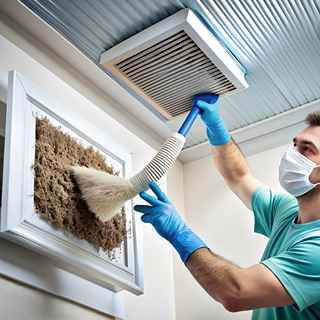
Indoor air quality is crucial for maintaining a healthy home environment, and one of the best ways to improve it is by ensuring your air ducts are clean and functioning properly. Over time, air ducts can accumulate dust, dirt, pollen, and other contaminants, which can reduce the efficiency of your HVAC system and circulate allergens throughout your home. Air duct cleaning not only enhances your indoor air quality but also helps maintain the longevity of your heating and cooling systems.
If you’re considering having your air ducts professionally cleaned, preparing your home beforehand can make the process smoother and more efficient. Here’s a comprehensive guide on how to prepare for air duct cleaning at home.
1. Research and Choose a Reputable Air Duct Cleaning Service
Before diving into the preparation steps, it’s essential to find a reliable, experienced air duct cleaning company. Look for companies that have:
- Positive reviews and testimonials from previous clients.
- Certifications such as the National Air Duct Cleaners Association (NADCA).
- Transparency in pricing and services offered.
By choosing a qualified company, you ensure that the cleaning will be thorough and carried out in accordance with industry standards. It’s also beneficial to ask if the company offers a free inspection before the actual cleaning, as this can help identify any issues that need special attention.
2. Know What to Expect from the Cleaning Process
Understanding how air duct cleaning works will help you better prepare your home. The cleaning process typically involves:
- Inspection: The technician will inspect the system to check for mold, dirt, or blockages.
- Cleaning the System: This involves using specialized tools to dislodge dust and debris from the ductwork, followed by a high-powered vacuum to remove all contaminants.
- Optional Services: Some companies may offer additional services like sanitizing or applying mold inhibitors, which can be useful if mold is detected.
Familiarize yourself with the process to ensure you know what areas of your home will be impacted and what precautions to take.
3. Clear the Work Area
Before the technicians arrive, ensure that there’s sufficient space around your HVAC system, vents, and registers. Air duct cleaning requires access to various parts of your home, so make it easier for the professionals by clearing the area:
- Move Furniture: Move furniture, rugs, and other large items away from vents and registers.
- Create Pathways: If you have bulky items near your HVAC system, clear a pathway to allow easy access for the technicians.
- Remove Wall Decorations: If there are any pictures or decorations hanging near air ducts or vents, remove them to prevent damage or dust accumulation.
Clearing these areas will save time and ensure the cleaning team can move efficiently through your home.
4. Cover or Remove Valuables
During the cleaning process, dust and debris may be kicked up, which could settle on surfaces or items near the vents. To protect your belongings:
- Cover Furniture: Use plastic sheets or cloth covers to protect furniture from dust.
- Move Fragile Items: Remove any delicate or valuable items from the work area to prevent accidental damage.
- Remove Pets and Plants: If you have indoor plants, move them to a different area of the home to avoid exposure to any chemicals or dust. The same goes for pets, as the loud equipment and dust could be harmful or unsettling for them.
Taking these precautionary steps ensures that your possessions remain clean and undamaged throughout the process.
5. Consider Temporary Relocation for Family Members
Depending on the size of your home and the extent of the duct cleaning, the process can take several hours. During this time, your HVAC system will be shut off, and there may be an increase in airborne dust and allergens. If you have family members with respiratory issues, allergies, or sensitivity to dust, you may want to consider temporarily relocating them to another part of the house or even outside the home for the duration of the cleaning.
6. Seal Off Unnecessary Rooms
If you have rooms that won’t be accessed during the cleaning process, it’s a good idea to seal them off to prevent dust from spreading into those areas. Use plastic sheeting or close the doors to limit contamination, especially if the rooms are seldom used or contain sensitive electronics and valuables.
7. Turn Off HVAC System Before Cleaning Begins
Before the professionals arrive, turn off your HVAC system. This includes your air conditioning, heating, and fans. Shutting off the system ensures that dust and debris dislodged during the cleaning won’t circulate throughout your home.
Some air duct cleaning companies may prefer to handle the system shut-down themselves, but it’s helpful to be prepared in advance by understanding how to turn it off if requested.
8. Ensure Easy Access to Your Furnace and Air Conditioning Units
The professionals will need to access your furnace, air handler, and air conditioning units as part of the cleaning process. Make sure there’s a clear path to these areas, which are typically located in the basement, attic, or utility closet. If you have stored items near these units, move them out of the way so the technicians can reach the necessary components.
9. Check for Pre-Existing Issues
Before the cleaning begins, take a quick walk through your home and make note of any issues with your air ducts, such as:
- Visible Dust or Debris: Check around your vents and registers for signs of excess dust buildup.
- Mold or Mildew: If you notice a musty smell or visible mold near your air ducts, make sure to inform the technicians.
- Poor Airflow: If certain areas of your home aren’t getting enough air, mention it to the cleaning team as it could indicate a blockage in the duct system.
Being aware of these issues ahead of time will allow the cleaning crew to address them more effectively.
10. Inquire About Post-Cleaning Care
Once the cleaning is complete, ask the technicians for any specific post-cleaning care instructions. For instance:
- Changing Air Filters: The cleaning process can stir up a lot of dust and debris, so it’s often recommended to change your air filters soon after the service.
- Sanitization and Maintenance: If the cleaning team applied any sanitizing agents, ask about any potential effects and whether it’s safe for your family and pets to re-enter immediately.
- Preventive Maintenance: Get tips on how to maintain clean ducts going forward, such as regularly changing filters, scheduling routine maintenance, and keeping an eye on dust buildup around vents.
11. Consider Additional Services
Many air duct cleaning companies offer additional services that could further improve your home’s air quality. Some options include:
- Dryer Vent Cleaning: Cleaning out the lint and debris in your dryer vent not only improves efficiency but also reduces the risk of a fire.
- HVAC System Cleaning: Beyond the air ducts, consider having the entire HVAC system cleaned, including the coils and blower components, to maximize efficiency.
- UV Light Installation: Installing UV lights in your HVAC system can help kill mold and bacteria, improving the overall air quality in your home.
These additional services can enhance the benefits of air duct cleaning and help you maintain a healthier living environment.
12. Inspect the Results
After the cleaning process is complete, do a walk-through with the technicians. They may show you before-and-after pictures of your air ducts, which can give you peace of mind knowing the job was done thoroughly. Check the work area to ensure no debris was left behind and confirm that all vents and registers were cleaned properly.
Conclusion
Preparing for air duct cleaning at home is essential for ensuring a smooth, efficient process that yields the best results. By following these steps, you can protect your home and belongings while allowing the professionals to clean your ducts thoroughly. Clean air ducts lead to better indoor air quality, increased HVAC efficiency, and a healthier environment for you and your family.
Scheduling regular air duct cleaning, along with following preventive measures, will help you maintain a cleaner, healthier home in the long run. Whether you’re concerned about allergies, dust buildup, or general air quality, taking the time to prepare for this service will ensure you get the most out of your investment.


