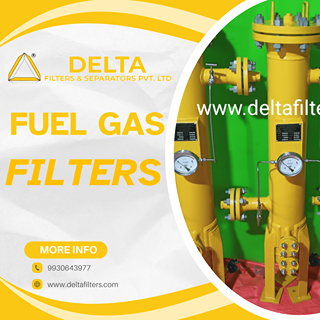
In various industrial applications, ensuring the purity of fuel gas is crucial for maintaining the efficiency and longevity of equipment. Fuel gas filters play a vital role in removing contaminants from fuel gas, protecting machinery, and ensuring optimal performance.
Selecting the right fuel gas filter for your application can be challenging due to the variety of options available. This guide will help you navigate the selection process and choose the best fuel gas filter for your specific needs.
Understanding Fuel Gas Filters
Fuel gas filters are designed to remove impurities such as dust, dirt, oil, and moisture from fuel gas. These contaminants can originate from the fuel source, the storage system, or the distribution network. By filtering out these impurities, fuel gas filters ensure that the gas used in industrial processes is clean and safe, preventing damage to equipment and improving overall system performance.
Types of Fuel Gas Filters
Particulate Filters
Particulate filters are designed to remove solid particles such as dust and dirt from the fuel gas. These filters use materials like fiberglass or synthetic fibers to capture particulate matter. They are commonly used in industries where gas purity is essential, such as power generation, pharmaceuticals, and food processing.
Coalescing Filters
Coalescing filters are used to remove oil and water aerosols from fuel gas. These filters work by coalescing small droplets into larger ones, which are then removed from the gas stream. Coalescing filters are crucial in applications where even small amounts of oil or water can compromise equipment performance, such as in gas turbines and compressors.
Activated Carbon Filters
Activated carbon filters are used to remove oil vapors, odors, and other gaseous contaminants from fuel gas. These filters use activated carbon to adsorb impurities, ensuring that the gas is free from harmful substances. Activated carbon filters are commonly used in industries such as food processing and pharmaceuticals, where gas purity is critical.
Factors to Consider When Selecting a Fuel Gas Filter
Type of Contaminants
The type of contaminants present in your fuel gas will determine the most suitable filter for your needs. For example, if your gas contains large particles and debris, a particulate filter may be the best choice. If you need to remove fine oil droplets or water, a coalescing filter would be more effective.
Flow Rate
The flow rate of your fuel gas is another critical factor to consider. Fuel gas filters are designed to handle specific flow rates, and selecting a filter that matches your system’s flow rate is essential for optimal performance. Ensure that the filter you choose can handle the maximum flow rate of your system without compromising efficiency.
Operating Conditions
Consider the operating conditions of your system, such as temperature, pressure, and chemical compatibility. Some fuel gas filters are better suited for high-temperature or high-pressure environments, while others may be designed to handle specific chemicals. Ensure that the filter you choose is compatible with your system’s operating conditions to avoid any potential issues.
Maintenance Requirements
Different types of fuel gas filters have varying maintenance requirements. Particulate and coalescing filters typically require regular cleaning or replacement of filter elements, while activated carbon filters may need periodic regeneration or replacement. Consider the maintenance requirements and costs associated with each type of filter and choose one that fits your maintenance capabilities and budget.
Space Constraints
The available space in your facility can also influence your choice of fuel gas filter. Some filters, such as coalescing filters, may require larger housings and more space, while others, like particulate filters, are more compact. Ensure that the filter you choose can be accommodated within your facility’s space constraints.
Benefits of Using the Right Fuel Gas Filter
Improved Equipment Longevity
By removing contaminants from fuel gas, filters help protect your equipment from damage and wear. This leads to longer equipment life and reduced maintenance costs, ultimately saving you money in the long run.
Enhanced Product Quality
In industries such as food and beverage and pharmaceuticals, maintaining high product quality is essential. Fuel gas filters ensure that the gas used in your processes is free from impurities, resulting in higher-quality products and fewer defects.
Increased Operational Efficiency
Contaminants in fuel gas can cause equipment to operate inefficiently, leading to increased energy consumption and reduced productivity. By ensuring that the gas is clean, fuel gas filters help maintain optimal equipment performance and enhance operational efficiency. This, in turn, leads to cost savings and improved production rates.
Compliance with Standards
Many industries are subject to strict regulations regarding gas quality. For example, the pharmaceutical and food industries must comply with stringent hygiene standards to ensure product safety. Fuel gas filters help manufacturers meet these regulatory requirements by providing clean, contaminant-free gas.
Best Practices for Maintaining Fuel Gas Filters
Regular Inspections
Regular inspections are essential for ensuring that fuel gas filters are functioning correctly. Check for signs of wear, damage, or clogging, and replace filter elements as needed. Regular inspections help prevent unexpected failures and ensure consistent gas quality.
Scheduled Maintenance
Establish a maintenance schedule for replacing fuel gas filters based on the manufacturer’s recommendations and the specific needs of your operation. Scheduled maintenance helps ensure that filters are replaced before they become ineffective, maintaining optimal gas quality and equipment performance.
Monitoring Pressure Drop
Monitoring the pressure drop across fuel gas filters is crucial for detecting when filters need to be replaced. A significant increase in pressure drop indicates that the filter is becoming clogged and needs to be changed. Regularly monitoring pressure drop helps maintain efficient system performance and prevent equipment damage.
Using Genuine Replacement Parts
Always use genuine replacement parts when replacing fuel gas filters.Genuine parts are designed to meet the specific requirements of your system and ensure optimal performance. Using non-genuine parts can compromise gas quality and lead to equipment issues.
Conclusion:
Selecting the right fuel gas filter for your application is crucial for maintaining efficient operations, protecting equipment, and ensuring product quality. By considering factors such as the type of contaminants, flow rate, operating conditions, maintenance requirements, and space constraints, you can choose the best fuel gas filter for your specific needs. Investing in a high-quality fuel gas filter and maintaining it properly is essential for achieving consistent gas quality, reducing downtime, and enhancing overall manufacturing performance. Prioritizing the use of clean, contaminant-free fuel gas is a smart decision for any manufacturer looking to maintain high standards of quality and efficiency.


