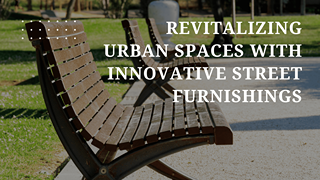
Urban spaces serve as the heartbeat of cities, providing a backdrop for social interaction, cultural expression, and community engagement. In the quest to make these spaces more inviting and functional, street furnishings have emerged as a pivotal element in urban design. From benches and public seating to bike racks and planters, innovative street furnishings play a crucial role in revitalizing urban environments, enhancing both their aesthetic appeal and usability. This article explores how thoughtful and creative street furnishings can transform urban spaces into vibrant, welcoming areas that foster social cohesion and improve the quality of life for city dwellers.
The Role of Street Furnishings in Urban Design
Street furnishings encompass a wide range of elements designed to enhance the functionality and aesthetics of public spaces. These include benches, public seating, litter bins, bike racks, bollards, lighting, planters, and more. Each of these components serves a specific purpose, contributing to the overall user experience and shaping how people interact with their surroundings.
Enhancing Comfort and Accessibility
One of the primary functions of street furnishings is to provide comfort and accessibility to urban spaces. Public seating, for example, offers a place for people to rest, socialize, and enjoy their environment. Well-designed seating arrangements can cater to various needs, from individual contemplation to group gatherings, making public spaces more inclusive and user-friendly.
Innovative designs in public seating go beyond traditional benches to include features such as ergonomic shapes, integrated shade structures, and materials that stay cool in the sun. These advancements ensure that seating is not only functional but also comfortable and inviting.
Promoting Social Interaction
Street furnishings play a critical role in fostering social interaction within urban environments. Public seating arranged in clusters or facing each other encourages conversation and engagement among users. Interactive elements, such as game tables, musical installations, and public art, further enhance social connections by providing shared experiences that draw people together.
For instance, the installation of chess tables or outdoor board games in parks and plazas can create focal points for community interaction. These elements invite people to linger, engage with one another, and build a sense of community.
Innovative Approaches to Street Furnishings
As cities evolve, so too must the design of their public spaces. Innovative street furnishings offer creative solutions that address the unique challenges and opportunities of contemporary urban life.
Smart and Connected Street Furnishings
The advent of smart technology has paved the way for connected street furnishings that offer enhanced functionality and convenience. Smart benches equipped with solar panels can provide wireless charging for mobile devices, while integrated sensors can monitor environmental conditions such as air quality and temperature.
Interactive digital kiosks serve as information hubs, offering maps, event details, and public service announcements. These smart furnishings not only improve the user experience but also contribute to the overall efficiency and sustainability of urban spaces.
Sustainable and Eco-Friendly Designs
Sustainability is a key consideration in modern urban design. Street furnishings made from recycled materials, sustainably sourced wood, and eco-friendly composites help reduce the environmental impact of urban development. Green infrastructure elements, such as planters and green walls, integrate nature into urban spaces, enhancing biodiversity and promoting mental well-being.
For example, benches made from recycled plastics or repurposed materials not only divert waste from landfills but also create a unique aesthetic that reflects the city’s commitment to sustainability. Incorporating greenery into street furnishings, such as planter benches, can transform concrete jungles into lush, inviting spaces.
Adaptive and Flexible Furnishings
Urban spaces are dynamic environments that require adaptable and flexible solutions. Modular street furnishings offer versatility, allowing for reconfiguration based on changing needs and events. Moveable seating and tables enable users to customize their environment, promoting a sense of ownership and engagement.
Pop-up urbanism, characterized by temporary installations and mobile furnishings, allows cities to experiment with different layouts and uses of public spaces. This approach can activate underutilized areas, turning them into vibrant, functional spaces with minimal investment.
Challenges and Considerations
While the benefits of innovative street furnishings are clear, there are several challenges and considerations that cities must address to ensure successful implementation.
Maintenance and Durability
Street furnishings are exposed to the elements and heavy use, requiring materials and designs that can withstand wear and tear. Regular maintenance is essential to keep these elements in good condition and ensure their longevity. Cities must allocate resources for the upkeep of street furnishings to maintain the aesthetic and functional quality of public spaces.
Inclusivity and Accessibility
Designing street furnishings that cater to diverse populations is crucial for creating inclusive urban spaces. This includes providing seating at different heights, ensuring wheelchair accessibility, and incorporating features that accommodate people of all ages and abilities. Inclusive design fosters a sense of belonging and ensures that everyone can enjoy public spaces.
Community Engagement
Engaging the community in the design and implementation process is vital for creating street furnishings that meet the needs and preferences of local residents. Public consultations, surveys, and participatory design workshops can provide valuable insights and foster a sense of ownership and pride in the final outcome.
Conclusion
Innovative street furnishings are a powerful tool in the revitalization of urban spaces. By enhancing comfort, promoting social interaction, and incorporating sustainable and adaptable designs, these elements can transform public areas into vibrant, welcoming environments that foster community engagement and improve the quality of life for city dwellers. As cities continue to evolve, thoughtful and creative street furnishings will play an increasingly important role in shaping the urban landscape and creating spaces that truly reflect the needs and aspirations of their inhabitants.
Leave a Reply