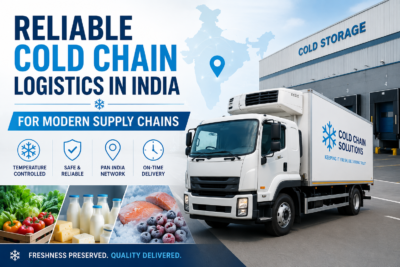
The demand for reliable cold chain logistics in India has increased rapidly in recent years. Industries such as pharmaceuticals, food processing, dairy, seafood, agriculture, and e-commerce depend heavily on temperature-controlled transportation and storage solutions. With changing consumer expectations and stricter quality standards, businesses now require efficient cold chain systems to maintain product quality, freshness, and safety throughout the supply chain.
Cold chain logistics refers to the transportation and storage of temperature-sensitive products under controlled conditions. It ensures that products remain within a specific temperature range from production to final delivery. In India, the cold chain industry is becoming a critical part of modern supply chains because of growing urbanization, increasing online grocery demand, and the expansion of healthcare and pharmaceutical sectors.
Importance of Cold Chain Logistics in India
India is one of the largest producers of fruits, vegetables, dairy products, seafood, and medicines. However, without proper cold chain infrastructure, a significant percentage of perishable goods can be damaged during transportation or storage. Reliable cold chain logistics help businesses reduce wastage, improve shelf life, and maintain product quality.
Temperature-controlled logistics are especially important for pharmaceutical companies. Vaccines, medicines, and healthcare products require precise temperature management to maintain effectiveness. Any temperature fluctuation can lead to product damage and financial loss. Reliable cold chain logistics ensure safe handling and delivery of such critical products.
The food industry also depends on cold chain systems to preserve freshness and hygiene. Fresh produce, frozen foods, meat, dairy, and ready-to-eat products require continuous refrigeration during transportation and storage. Modern cold chain logistics enable food brands to deliver high-quality products to customers across India.
Key Components of Cold Chain Logistics
A strong cold chain network includes several important components that work together to maintain product integrity.
Temperature-Controlled Warehousing
Cold storage warehouses are designed to store products at specific temperatures. These facilities use advanced refrigeration systems and monitoring technologies to maintain consistent environmental conditions. Modern warehouses also include automated inventory management systems to improve operational efficiency.
Refrigerated Transportation
Refrigerated trucks and containers play a major role in cold chain logistics. These vehicles are equipped with cooling systems that maintain required temperatures during transportation. Reliable refrigerated transport ensures that products remain fresh and safe even during long-distance deliveries.
Real-Time Monitoring
Technology has transformed cold chain logistics in India. Businesses now use GPS tracking, IoT sensors, and real-time monitoring systems to track temperature conditions throughout the journey. This helps companies identify issues quickly and maintain product safety.
Packaging Solutions
Specialized packaging materials are also important in cold chain logistics. Insulated packaging and temperature-controlled containers help protect products from external temperature changes during transit.
Challenges in Cold Chain Logistics in India
Although the industry is growing rapidly, cold chain logistics in India still faces several challenges. Limited infrastructure in rural areas, high operational costs, and inconsistent power supply can impact temperature-controlled operations. Maintaining refrigeration systems and fuel costs also increase operational expenses.
Another major challenge is the lack of integrated cold chain networks. Many businesses still rely on fragmented transportation and storage systems, leading to delays and product spoilage. Skilled workforce shortages and limited adoption of advanced technologies can also affect operational efficiency.
However, government initiatives and private sector investments are helping improve the cold chain ecosystem in India. Companies are investing in smart warehousing, energy-efficient refrigeration, and digital supply chain solutions to strengthen logistics networks.
Role of Technology in Modern Cold Chain Logistics
Technology is playing a major role in transforming cold chain logistics in India. Advanced tracking systems provide real-time visibility into transportation and storage conditions. Businesses can monitor temperature, humidity, and vehicle movement through centralized platforms.
Artificial intelligence and data analytics are also helping companies optimize delivery routes, reduce fuel consumption, and improve inventory planning. Automated warehouse management systems increase operational accuracy and reduce manual errors.
Cloud-based logistics platforms enable businesses to manage supply chain operations more efficiently. These systems improve communication between suppliers, transporters, warehouses, and customers, ensuring smooth coordination across the supply chain.
Benefits of Reliable Cold Chain Logistics
Reliable cold chain logistics offer multiple benefits for businesses and consumers alike.
- Reduces product spoilage and wastage
- Maintains product freshness and quality
- Enhances customer satisfaction
- Supports pharmaceutical safety and compliance
- Improves supply chain efficiency
- Expands market reach for businesses
- Increases operational transparency
Businesses that invest in modern cold chain solutions can improve profitability while maintaining high service standards.
Future of Cold Chain Logistics in India
The future of cold chain logistics in India looks promising. Rising demand for processed foods, online grocery services, and healthcare products will continue to drive industry growth. Government support for infrastructure development and increasing private investments are expected to strengthen cold storage and refrigerated transportation networks.
Sustainability is also becoming an important focus area. Companies are adopting energy-efficient refrigeration technologies and eco-friendly transportation solutions to reduce environmental impact. Electric refrigerated vehicles and solar-powered cold storage systems are expected to gain popularity in the coming years.
The integration of digital technologies, automation, and smart monitoring systems will further improve the reliability and efficiency of cold chain logistics operations. Businesses that adopt advanced cold chain solutions will be better positioned to meet evolving customer expectations and regulatory requirements.
Conclusion
Reliable cold chain logistics in India have become essential for modern supply chains. From pharmaceuticals and healthcare to food and agriculture, temperature-controlled logistics ensure product safety, quality, and efficiency. Despite existing challenges, technological advancements and infrastructure development are transforming the cold chain industry rapidly.
Leave a Reply