1. Introduction
PRP (Platelet-Rich Plasma) hair treatment is a cutting-edge procedure that harnesses the body’s natural healing processes to stimulate hair growth and combat hair loss. As with any medical procedure, proper care before and after treatment is crucial to achieving the best results. In Abu Dhabi, where advanced cosmetic treatments are widely available, understanding the essentials of PRP hair treatment care can make a significant difference in your overall experience and outcome.
2. What is PRP Hair Treatment?
PRP hair treatment involves using a concentration of platelets from the patient’s own blood to promote hair growth. This process leverages the growth factors found in platelets to stimulate dormant hair follicles and encourage new hair production.
- Definition and Overview: PRP is a non-surgical treatment that involves drawing a small amount of the patient’s blood, processing it to concentrate the platelets, and then injecting this plasma into the scalp.
- How PRP Works: Platelets contain growth factors that are crucial for tissue repair and regeneration. When injected into the scalp, these growth factors help rejuvenate hair follicles and enhance hair growth.
- Common Uses for PRP in Hair Restoration: PRP is used primarily for treating androgenetic alopecia (pattern baldness) and other types of hair loss, including thinning hair.
3. Preparing for PRP Hair Treatment
Proper preparation for PRP Hair Treatment in Abu Dhabi ensures that the procedure is effective and minimizes potential risks.
- Initial Consultation: The process begins with a consultation to assess your hair loss condition, discuss your goals, and determine if PRP is the right treatment for you.
- Pre-Treatment Instructions: Patients are often advised to avoid blood thinners, such as aspirin and certain supplements, to reduce the risk of bruising and bleeding.
- What to Expect During the Procedure: Understanding the procedure helps alleviate any anxiety. The process involves blood draw, centrifugation, and injections into the scalp.
4. Before PRP Hair Treatment: Essential Steps
Following these steps before your PRP treatment can help optimize results and ensure a smooth procedure.
- Medical History and Evaluation: Providing a detailed medical history helps the practitioner identify any conditions or medications that may affect the treatment.
- Avoiding Blood Thinners and Other Medications: Discontinuing blood thinners and certain supplements a few days before the procedure helps minimize complications.
- Skincare and Scalp Preparation: Maintaining a clean scalp and avoiding harsh hair products can improve the effectiveness of the treatment.
- Lifestyle Adjustments: Avoiding smoking and excessive alcohol consumption can enhance healing and results.
5. During the PRP Procedure
Understanding the procedure can help you feel more comfortable and prepared.
- The PRP Extraction Process: Blood is drawn from your arm and processed in a centrifuge to separate the platelets from other blood components.
- Preparation of PRP Solution: The concentrated PRP is then prepared for injection. This solution is rich in growth factors that promote hair follicle rejuvenation.
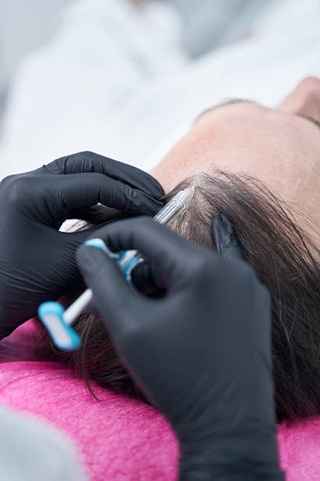
- Injection Technique: The PRP solution is injected into targeted areas of the scalp where hair thinning or loss is most pronounced.
6. Aftercare: Immediate Post-Treatment
Proper immediate aftercare can help ensure optimal results and minimize discomfort.
- What to Expect Right After the Procedure: Patients may experience mild swelling, redness, or tenderness at the injection sites. These effects typically subside within a few days.
- Managing Discomfort and Side Effects: Over-the-counter pain relievers and applying cold compresses can help alleviate any discomfort.
- Care for the Scalp: Avoid washing your hair for 24 to 48 hours after treatment to allow the PRP to settle and maximize its effectiveness.
7. Long-Term Aftercare: Weeks Following Treatment
Long-term care is essential for maintaining the benefits of PRP treatment and promoting continued hair growth.
- Daily Care and Hygiene: Use gentle, sulfate-free shampoos and avoid harsh hair treatments or products.
- Recommended Products and Practices: Incorporating hair growth-promoting products and maintaining a healthy diet can support the results of PRP treatment.
- Monitoring Progress and Follow-Up Appointments: Regular follow-up appointments allow your practitioner to monitor progress and make any necessary adjustments to your treatment plan.
8. Potential Risks and Complications
While PRP is generally safe, being aware of potential risks can help you manage any issues that arise.
- Common Side Effects: Mild side effects such as redness, swelling, and bruising are common and usually resolve on their own.
- Rare Complications: Rare complications may include infection or allergic reactions. Ensuring the procedure is performed by a qualified practitioner reduces these risks.
- When to Seek Medical Attention: Contact your practitioner if you experience severe pain, persistent swelling, or signs of infection.
9. Effectiveness of PRP Hair Treatment
Understanding the effectiveness of PRP treatment helps set realistic expectations.
- Expected Results: Results vary by individual, but many patients see noticeable improvements in hair density and thickness within a few months.
- Timeframe for Visible Improvement: Most patients begin to see results around 3 to 6 months after their initial treatment.
- Comparing PRP with Other Hair Restoration Options: PRP is a non-surgical alternative to hair transplants and can be used in conjunction with other treatments for enhanced results.
10. Choosing the Right Clinic in Abu Dhabi
Selecting the right clinic is crucial for achieving the best results from your PRP treatment.
- Factors to Consider: Look for clinics with experienced practitioners, positive patient reviews, and a strong reputation in the field of hair restoration.
- Top Clinics and Specialists: Abu Dhabi offers several top-rated clinics specializing in PRP treatments. Researching and consulting with multiple options can help you make an informed choice.
- Questions to Ask: Inquire about the practitioner’s experience, the technology used, and the clinic’s approach to aftercare.
11. Conclusion
PRP hair treatment is an effective, non-surgical option for addressing hair loss and improving hair density. By following proper before and aftercare protocols, you can maximize the benefits of the treatment and enjoy healthier, fuller hair. Whether you are considering PRP as a standalone treatment or in combination with other methods, understanding and adhering to the recommended care practices is key to achieving your desired results.
12. FAQs
- How many sessions of PRP are typically needed? Most patients require a series of 3 to 4 sessions, spaced 4 to 6 weeks apart, followed by maintenance treatments every 6 to 12 months.
- How long does each PRP session take? Each session typically lasts between 60 to 90 minutes, including the time for blood draw, processing, and injections.
- Can PRP treatment be combined with other hair restoration methods? Yes, PRP can be combined with treatments such as hair transplants or topical solutions to enhance overall results.
- Are there any specific products to avoid after treatment? Avoid products with harsh chemicals or dyes immediately after treatment. Stick to gentle, natural hair care products.
- How soon can I resume normal activities after PRP treatment? Most patients can return to their usual activities immediately after the procedure, though it is advisable to avoid strenuous exercise and excessive heat exposure for a short period.


