Introduction: The Rise of Predictive Denial Tools in Claims Management
The insurance and healthcare industries are undergoing a major transformation with the adoption of predictive denial tools. These advanced technologies use artificial intelligence (AI), machine learning, and predictive analytics to identify claims that are likely to be denied before submission. By proactively detecting potential errors, missing information, and compliance issues, organizations can significantly improve claim approval rates. Industry experts report that predictive denial tools are helping reduce claim rejections by as much as 30–40%, resulting in improved cash flow, reduced administrative burden, and enhanced operational efficiency. As healthcare providers and insurance companies continue to seek ways to optimize revenue cycle management, predictive denial technology is becoming an essential component of modern claims processing strategies.
Understanding What Predictive Denial Tools Are
Predictive denial tools are software solutions designed to analyze historical claims data, payer behavior, coding patterns, and regulatory requirements to forecast whether a claim may be denied. These tools leverage sophisticated algorithms to identify risk factors before claims are submitted. Instead of waiting for a denial and then initiating an appeals process, organizations can address potential issues proactively. The technology evaluates numerous variables, including patient eligibility, coding accuracy, documentation completeness, authorization requirements, and payer-specific rules. By providing actionable insights before submission, predictive denial tools help healthcare providers and insurers minimize costly errors and improve overall claim acceptance rates.
Why Claim Denials Are a Major Challenge for Healthcare Organizations
Claim denials represent one of the most significant challenges in healthcare revenue cycle management. Every denied claim requires additional staff time, resources, and administrative effort to investigate and resubmit. In many cases, denied claims are never recovered, leading to substantial revenue losses. Common causes of denials include incorrect coding, incomplete documentation, eligibility verification failures, authorization issues, and payer policy changes. These problems can negatively impact financial performance, patient satisfaction, and operational efficiency. Healthcare organizations are increasingly turning to predictive denial management solutions because traditional reactive approaches are no longer sufficient to address the growing complexity of claims processing and payer requirements.
How Artificial Intelligence Powers Predictive Denial Prevention
Artificial intelligence plays a central role in the effectiveness of predictive denial tools. AI systems analyze vast amounts of claims data to identify patterns and trends that human reviewers may overlook. Machine learning models continuously improve their accuracy by learning from historical outcomes and newly processed claims. This enables organizations to predict denial risks with remarkable precision. AI-powered denial prevention systems can automatically flag high-risk claims, suggest corrective actions, and prioritize claims requiring further review. By leveraging artificial intelligence in healthcare claims management, organizations can streamline workflows, reduce manual intervention, and improve the overall efficiency of their revenue cycle operations.
The Key Benefits of Reducing Claim Rejections by 30–40%
Reducing claim rejections by 30–40% offers substantial benefits for healthcare providers, insurance companies, and revenue cycle management teams. One of the most significant advantages is improved cash flow, as more claims are approved on the first submission. Organizations also experience lower administrative costs because staff spend less time managing denials and appeals. Additionally, predictive denial tools enhance operational efficiency by automating risk assessment and claim validation processes. Improved claim acceptance rates contribute to better financial stability, allowing organizations to allocate resources toward patient care and strategic growth initiatives. These benefits collectively create a stronger and more sustainable healthcare revenue cycle.
Enhancing Revenue Cycle Management Through Predictive Analytics
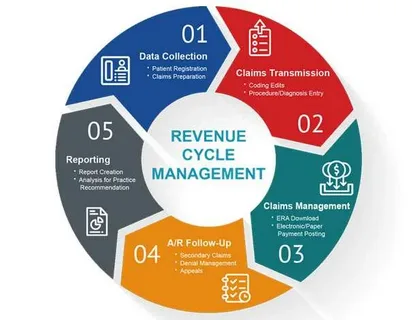
Revenue cycle management (RCM) is critical to the financial success of healthcare organizations, and predictive analytics is becoming a game-changing component of modern RCM strategies. Predictive denial tools provide real-time insights into claim risks, enabling providers to address issues before claims are submitted. This proactive approach reduces delays in reimbursement and minimizes revenue leakage. By integrating predictive analytics into revenue cycle workflows, organizations can gain greater visibility into denial trends, payer behavior, and process inefficiencies. As a result, healthcare providers can make more informed decisions, optimize resource allocation, and improve overall financial performance while maintaining compliance with industry regulations.
Common Features Found in Modern Predictive Denial Software
Modern predictive denial software solutions offer a wide range of features designed to support claim accuracy and denial prevention. These platforms typically include real-time claim scrubbing, automated eligibility verification, coding validation, payer rule analysis, authorization checks, and denial risk scoring. Many solutions also provide customizable dashboards, advanced reporting capabilities, and workflow automation tools. Integration with electronic health record (EHR) systems and practice management software further enhances operational efficiency. By leveraging these advanced features, healthcare organizations can identify and resolve potential claim issues before submission, significantly reducing denial rates and improving reimbursement outcomes.
The Future of Claims Processing and Denial Management
The future of claims processing is increasingly driven by automation, artificial intelligence, and predictive analytics. As healthcare regulations and payer requirements continue to evolve, organizations will need more sophisticated tools to maintain financial stability and operational efficiency. Predictive denial management systems are expected to become even more accurate as machine learning models gain access to larger and more diverse datasets. Emerging technologies such as natural language processing, robotic process automation, and advanced data analytics will further enhance denial prevention capabilities. Organizations that invest in these innovations today will be better positioned to navigate future challenges and achieve long-term success in claims management.
Best Practices for Implementing Predictive Denial Tools Successfully
Successfully implementing predictive denial tools requires careful planning, stakeholder engagement, and ongoing performance monitoring. Organizations should begin by evaluating their current denial management processes and identifying key pain points. Selecting a solution that integrates seamlessly with existing systems is essential for maximizing efficiency. Staff training is equally important to ensure users understand how to interpret risk scores and act on recommendations. Regular monitoring of denial trends, claim acceptance rates, and financial outcomes helps organizations measure success and optimize performance. By following these best practices, healthcare providers can maximize the return on investment from predictive denial technology and achieve sustainable improvements in claims processing.
Conclusion: Transforming Claims Management with Predictive Denial Technology
Predictive denial tools are revolutionizing the way healthcare providers and insurance organizations manage claims. By leveraging artificial intelligence, machine learning, and predictive analytics, these solutions can reduce claim rejections by 30–40%, improve reimbursement rates, and strengthen revenue cycle management. As denial rates continue to impact financial performance across the healthcare industry, adopting proactive denial prevention strategies has become more important than ever. Organizations that embrace predictive denial technology can improve operational efficiency, reduce administrative costs, and achieve greater financial stability while delivering better outcomes for patients and stakeholders alike.
Take the Next Step Toward Revenue Cycle Excellence
If your organization is looking to reduce claim denials, improve reimbursement rates, and leverage advanced healthcare technology solutions, now is the time to explore innovative strategies that drive measurable results. Partnering with experienced professionals can help you implement predictive analytics, optimize revenue cycle management, and achieve sustainable financial growth. Visit https://kaizenus.com/ today to learn how expert solutions can help your organization stay ahead in an increasingly competitive healthcare landscape and maximize the benefits of predictive denial technology.
Key Advantages of Predictive Denial Tools for Healthcare Providers and Insurance Companies
Organizations that implement predictive denial tools gain a competitive advantage by improving claims accuracy, reducing administrative costs, and accelerating reimbursement cycles. These advanced solutions use predictive analytics and artificial intelligence to identify potential denial risks before claims are submitted, helping healthcare providers avoid costly errors and revenue loss. As claim processing becomes increasingly complex, predictive denial software provides valuable insights that support faster decision-making and better financial outcomes. By integrating denial prevention technology into revenue cycle management workflows, organizations can enhance efficiency, improve compliance, and create a more sustainable approach to claims management.
Major Benefits of Predictive Denial Tools
- Reduce claim denial rates by 30–40%.
- Improve first-pass claim acceptance rates.
- Increase revenue collection and cash flow.
- Minimize administrative workload and manual reviews.
- Detect coding errors before claim submission.
- Ensure compliance with payer-specific requirements.
- Improve patient billing accuracy and transparency.
- Accelerate reimbursement timelines.
- Provide real-time denial risk analysis.
- Support data-driven revenue cycle management decisions.
- Enhance operational efficiency across healthcare organizations.
- Reduce the costs associated with claim appeals and resubmissions.
Frequently Asked Questions (FAQs)
1. What are predictive denial tools?
Predictive denial tools are AI-powered software solutions that analyze claims data and identify potential issues that could lead to claim denials before submission. They help healthcare providers improve claim approval rates and reduce revenue loss.
2. How much can predictive denial tools reduce claim rejections?
Industry reports and healthcare organizations have observed reductions in claim rejections ranging from 30% to 40%, depending on implementation quality, workflow integration, and data accuracy.
3. How does artificial intelligence help prevent claim denials?
Artificial intelligence analyzes historical claims, payer rules, coding patterns, and documentation requirements to predict denial risks and recommend corrective actions before claims are submitted.
4. Are predictive denial tools suitable for small healthcare practices?
Yes. Many predictive denial solutions are scalable and can benefit both small medical practices and large healthcare systems by improving claims accuracy and reducing administrative costs.
5. What types of claim issues can predictive denial software detect?
These tools can identify coding errors, missing documentation, eligibility issues, authorization problems, duplicate claims, payer-specific rule violations, and other common denial triggers.
6. Why is predictive denial management important for revenue cycle management?
Predictive denial management helps organizations improve cash flow, increase reimbursement rates, reduce claim rework, lower operational costs, and strengthen overall revenue cycle performance.


