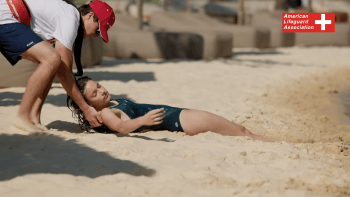
Becoming a certified lifeguard is a highly rewarding and responsible job that combines swimming expertise with the ability to save lives. Whether you’re looking to work at a local pool, beach, water park, or resort, lifeguard certification is a must. If you’re wondering how to get started, this article will provide a complete guide on lifeguard classes, the necessary skills you’ll learn, and what to expect throughout the process.
From understanding the importance of certification to finding the best lifeguard class near you or online, we cover everything you need to know to successfully complete your training and start your career as a lifeguard.
What Is a Lifeguard Class?
A Lifeguard class is a comprehensive training program that provides the skills and knowledge needed to become a certified lifeguard. These courses teach vital water rescue techniques, CPR, AED (Automated External Defibrillator) use, first aid, and other emergency medical responses. A certified lifeguard must be able to recognize potential dangers, rescue distressed swimmers, and provide life-saving care when necessary.
Lifeguard classes are typically offered by accredited providers such as the American Red Cross, YMCA, and the American Lifeguard Association. These classes combine classroom instruction with practical, hands-on training in a pool environment. Upon completion of the class, participants receive certification that qualifies them to work as lifeguards at public or private aquatic facilities.
Core Skills You’ll Learn in a Lifeguard Class
A Lifeguard class is designed to equip you with essential skills to respond effectively to emergencies. Here are the core skills you’ll learn during the course:
1. Water Rescue Skills
A large part of lifeguard training involves learning water rescue techniques. Lifeguards must act quickly and efficiently to rescue swimmers in distress. Training will include:
- Active victim rescues: How to safely assist a conscious swimmer in trouble.
- Passive victim rescues: Techniques for rescuing unconscious swimmers.
- Underwater recovery: How to recover victims from underwater situations.
- Spinal injury management: Handling injuries in water that may involve the spine.
- Multiple-victim rescues: Rescuing more than one person at the same time.
- Use of rescue equipment: Training in the proper use of rescue tubes, backboards, and other lifesaving tools.
2. CPR and AED Certification
CPR (Cardiopulmonary Resuscitation) and AED training are key components of a lifeguard class. You will learn how to perform CPR on infants, children, and adults and how to use an AED to provide life-saving shocks to someone in cardiac arrest. CPR and AED certifications are typically valid for two years, and they must be renewed to maintain employment eligibility.
3. First Aid Training
Lifeguards often serve as first responders during emergencies. The class will cover first aid techniques for managing common injuries and medical emergencies, including:
- Injury management: Treating cuts, bruises, fractures, and burns.
- Heart-related emergencies: Identifying and responding to heart attacks and strokes.
- Seizure management: How to respond to a seizure episode.
- Hypothermia and heat stroke: Understanding the signs and treatment for extreme temperature-related conditions.
- Water-related injuries: Treatment for injuries specific to swimming environments, such as drowning.
Lifeguard Certification Requirements
Before enrolling in a Lifeguard class, there are a few prerequisites you need to meet:
Age Requirement
The minimum age to begin lifeguard training is typically 15 years old. For minors, parental consent may be required. You will also need valid identification when registering for the course.
Swimming Ability
Strong swimming skills are a must. Most lifeguard classes require candidates to pass a swim test before beginning training. The test generally involves:
- Swimming 300 yards continuously using freestyle and breaststroke.
- Treading water for two minutes using only your legs.
- Completing a timed event: swimming 20 yards, diving to retrieve a 10-pound object from a depth of 7-10 feet, and returning to the poolside without using the ladder, all within 1 minute 40 seconds.
These tests ensure you are physically prepared for the challenges of lifeguarding.
Step-by-Step Lifeguard Class Process
The following steps outline what you can expect during your Lifeguard class:
Step 1: Register for an Accredited Course
Look for a nationally recognized provider like the American Red Cross, YMCA, or American Lifeguard Association. You can choose from intensive 3–5 day courses, weekend courses, or evening classes depending on your schedule. Most classes require a total of 25-30 hours of instruction.
Step 2: Complete Classroom and Pool Training
Lifeguard classes include both classroom education and hands-on training in the pool. The classroom portion will cover:
- Water safety protocols.
- Emergency response and procedures.
- CPR, first aid, and AED techniques.
In the pool, you will practice rescue techniques, CPR, AED use, and emergency simulations, gaining confidence and competence in realistic scenarios.
Step 3: Pass the Written Exam
The written exam tests your understanding of the material you’ve learned, including rescue procedures and safety guidelines. Typically, you will need to score 80% or higher to pass.
Step 4: Demonstrate Practical Skills
You will be assessed in the pool, where you’ll demonstrate proficiency in skills such as:
- Timed endurance swim.
- Active and passive rescues.
- CPR and AED procedures.
- First aid and emergency action plan response.
Finding a Lifeguard Class Near Me
If you’re asking, “Where can I find a Lifeguard class near me?” there are several ways to locate a nearby course:
- Local pools or recreation centers: Many community pools offer lifeguard certification courses.
- YMCA and other fitness centers: National organizations like the YMCA often run lifeguard certification programs.
- Online search: Use keywords like “Lifeguard class near me” to find training centers in your area.
Additionally, many training providers offer courses that combine online lifeguard class components with in-person pool training, making it easier for you to complete the theoretical portion of the class from home.
Online Lifeguard Class: A Flexible Option
For those with busy schedules or who prefer learning at their own pace, an online lifeguard class might be the perfect solution. Online lifeguard classes allow you to complete the theoretical lessons from home, covering topics such as CPR, AED use, and emergency response. After completing the online portion, you’ll attend a hands-on pool session to practice your skills and pass the practical exam.
This format is ideal for individuals with limited time, such as students or people with part-time jobs.
Why Lifeguard Class Certification Matters
Completing a lifeguard class and obtaining certification is not just about gaining a job—it’s about ensuring public safety. Lifeguard certification offers numerous benefits, including:
- Legal protection: Certification provides liability coverage, protecting lifeguards in case of an emergency.
- Increased job opportunities: Certified lifeguards are qualified to work at pools, beaches, water parks, cruise ships, and more.
- Professional credibility: Being certified demonstrates your commitment to safety and professionalism.
- Life-saving skills: You’ll be trained to save lives and respond to emergencies effectively.
Employment Opportunities for Certified Lifeguards
Lifeguards are needed in a variety of settings:
- Public facilities: Municipal pools, recreation centers, public beaches, and schools.
- Private facilities: Hotels, resorts, apartment complexes, and country clubs.
- Commercial operations: Water parks, cruise ships, fitness centers, and aquatic therapy centers.
Wages for entry-level lifeguards typically range from $12 to $18 per hour, with higher pay available for more experienced lifeguards or those in supervisory roles.
Tips to Pass Your Lifeguard Class
Success in your Lifeguard class comes down to preparation. Here are some tips to help you succeed:
- Physical Preparation: Swim regularly to build endurance. Practice leg-only treading and work on your overall strength and flexibility.
- Study Tips: Review CPR techniques daily, create flashcards for key concepts, and practice emergency scenarios with friends or in study groups.
- Avoid Common Mistakes: Don’t skip swim practice, cramming for the written exam is not effective, and ensure you get enough rest between training sessions.
Contact Information:
📞 Phone: 703-761-6750
📧 Email: [email protected]
🏢 Address: American Lifeguard Association, 8300 Boone Blvd 5th Floor, Vienna, VA 22182
Conclusion: Start Your Lifeguard Training Today
Taking a Lifeguard class is the first step in becoming a certified lifeguard and embarking on a rewarding career in aquatics. Whether you’re looking for a Lifeguard class near you or an online lifeguard class, the training you receive will equip you with the skills to save lives and ensure the safety of others.
Begin your journey today by enrolling in a recognized lifeguard certification course and take the first step toward a fulfilling and responsible career as a lifeguard.


