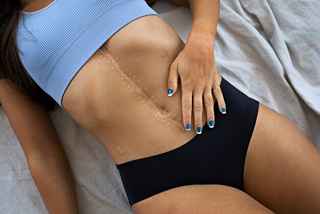
Keloid Treatment in Abu Dhabi are thick, raised scars that form due to abnormal healing after an injury or surgery. They are often larger than the original wound and may continue to grow over time. While keloids are not harmful, they can be cosmetically distressing and may cause discomfort. If you are living in Abu Dhabi and are considering treatment options for your keloids, it is essential to understand the available treatments, their benefits, and what to expect.
What Are Keloids?
Keloids are a type of scar tissue that forms when the skin heals after an injury. Unlike regular scars, which flatten and fade over time, keloids can grow beyond the edges of the original wound. They are composed of excess collagen, which leads to the formation of raised, thickened skin. Keloids are most commonly found on the chest, shoulders, earlobes, and back, but they can appear anywhere on the body.
The exact cause of keloid formation is not fully understood, but genetic factors and skin type play a significant role. People with darker skin tones are more prone to developing keloids, and certain genetic traits may make some individuals more likely to form them.
Available Keloid Treatment Options in Abu Dhabi
Several treatment methods are available for keloid management in Abu Dhabi. While these treatments may not guarantee complete removal, they can significantly reduce the size and appearance of the keloid, helping to improve skin texture and overall aesthetics.
Corticosteroid Injections
Corticosteroid injections are one of the most commonly used treatments for keloids. These injections help to reduce the size and inflammation of the keloid. The corticosteroids work by suppressing collagen production, which can help flatten the raised scar tissue. Treatment typically requires multiple sessions over a period of time to see visible results.
Laser Therapy
Laser therapy is another effective treatment for keloids. It involves using focused light to break down the collagen fibers within the keloid tissue. This can help to flatten the keloid and reduce redness, making it less noticeable. Laser therapy is often used in combination with other treatments like corticosteroid injections for optimal results.
Cryotherapy
Cryotherapy involves freezing the keloid with liquid nitrogen, which helps to destroy the excess tissue. This treatment can shrink the keloid and reduce its appearance. Cryotherapy may be more effective for smaller keloids, and like other treatments, it may require multiple sessions to achieve the desired results.
Surgical Removal
In some cases, surgical removal may be considered to excise the keloid. However, this method carries the risk of the keloid returning or becoming even more pronounced. To minimize the chances of recurrence, surgical removal is often combined with other treatments like corticosteroid injections or radiation therapy.
Silicone Gel Sheets and Pressure Therapy
Silicone gel sheets and pressure therapy are non-invasive methods used to treat keloids. Silicone sheets are applied to the keloid area and help to flatten the scar tissue over time. Pressure therapy involves wearing a custom-made garment that applies gentle pressure to the keloid, helping to reduce its size and prevent further growth.
What to Expect During Keloid Treatment in Abu Dhabi
When considering keloid treatment in Abu Dhabi, it’s essential to be prepared for a multi-step process. The first step typically involves a consultation with a specialist who will assess the keloid, discuss treatment options, and determine the most suitable course of action. Depending on the treatment chosen, you may need several sessions over a few weeks or months to see significant improvement.
After treatment, it’s important to follow the aftercare instructions provided by the specialist to ensure optimal healing and results. This may include keeping the treated area clean, avoiding direct sunlight, and moisturizing the skin regularly.
Why Seek Professional Keloid Treatment in Abu Dhabi?
While there are many over-the-counter treatments available for keloids, seeking professional care in Abu Dhabi ensures that you receive the most effective and tailored approach. Experts in the field have access to advanced technology and treatment options that can significantly improve the appearance of your keloid. Moreover, professional care helps minimize the risks associated with improper treatment or self-care methods.
Conclusion
Keloid treatment in Abu Dhabi offers several advanced options to help manage and improve the appearance of raised scars. Whether you choose corticosteroid injections, laser therapy, or surgical removal, it’s important to consult with a specialist to determine the best approach for your specific case. Remember that while keloid treatments can reduce the size and appearance of scars, they may not completely eliminate them. By seeking professional care, you can effectively manage your keloids and improve your skin’s overall appearance.
FAQs
1. Can keloid treatments completely remove the scar?
While treatments can significantly reduce the size and appearance of keloids, they may not completely eliminate them. However, with the right treatment plan, improvements in the scar’s texture and appearance are usually visible.
2. How long does it take to see results from keloid treatment?
The time it takes to see results varies depending on the treatment method and the size of the keloid. In many cases, multiple sessions are required, and it may take several weeks to a few months to see noticeable improvement.
3. Is keloid treatment painful?
Most keloid treatments are minimally invasive and involve only mild discomfort. Injections or laser treatments may cause slight pain or a sensation of heat, but the pain is usually manageable and temporary.
4. Can keloids return after treatment?
Yes, keloids have the potential to return even after treatment, especially after surgical removal. However, combining treatments like corticosteroid injections or laser therapy can reduce the likelihood of recurrence.
5. Are there any lifestyle changes I need to make during keloid treatment?
During the treatment process, it’s important to avoid direct sun exposure to the treated area, keep the scar moisturized, and follow any specific instructions provided by your healthcare provider to promote healing and reduce the risk of recurrence.


