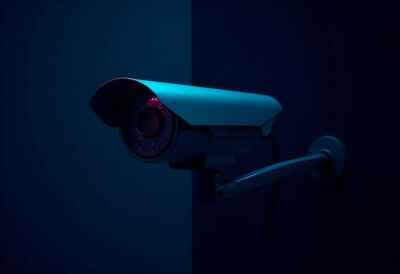
When fortifying modern residential properties, Security Cameras stand as pivotal assets in comprehensive surveillance architectures. Integrating these monitoring units alongside smart Door Locks establishes an interconnected perimeter defense mechanism that deters prospective intruders. However, distinguishing between internal and external surveillance gear remains vital when configuring an optimal residential safeguarding strategy. Deploying specialized equipment tailored to specific spatial environments ensures peak operational longevity, crisp video capture, and reliable threat detection. Below is a detailed breakdown exploring how indoor and outdoor monitoring systems function, contrast, and synergize across residential networks.
Fundamental Architectural Divergences in Surveillance Tech
While all monitoring hardware serves to maintain spatial awareness, structural design philosophy varies sharply based on location requirements. Internal monitoring units prioritize discreet spatial integration, whereas external units emphasize physical durability against climate extremes.
Environmental Resistance and Enclosure Ingress Ratings
Outdoor units must continuously endure harsh meteorological conditions, ranging from torrential downpours to blistering solar exposure. Consequently, exterior hardware utilizes ruggedized enclosures certified with rigorous Ingress Protection (IP) ratings, typically IP65 through IP67. These resilient casings prevent moisture, dust, and debris from damaging sensitive internal optics. Conversely, indoor models forgo heavy-duty weatherproofing, permitting sleeker, compact aesthetic silhouettes designed to blend seamlessly into domestic interiors.
Optical Dynamics and Illumination Technology
Illumination conditions indoors remain relatively static compared to the unpredictable lighting shifts encountered outdoors. Exterior units rely on high-powered infrared illuminators or integrated floodlights to penetrate nighttime darkness across wide expanses. Outdoor lenses also feature dynamic high dynamic range (HDR) processors to handle stark glare from direct sunlight or reflective vehicles, ensuring crucial details remain legible.
Technical Specifications: Indoor vs. Outdoor Hardware
| Feature Dimension | Indoor Surveillance Hardware | Outdoor Surveillance Hardware |
| Ingress Protection (IP) | Unrated or IP20 (Dust resistant only) | IP65 to IP67 (Fully weatherproofed) |
| Housing Construction | Lightweight polycarbonate | Heavy-duty alloy or reinforced polymer |
| Night Vision Range | Short range (15–30 feet) | Long range (60–100+ feet with spotlight/IR) |
| Field of View Focus | Wide-angle, room-wide coverage | Focused zoom, perimeter tracking, multi-angle |
| Tamper Resistance | Low to moderate | High (Vandal-resistant housing, high mounting) |
Evaluating Indoor Surveillance Mechanics
Interior monitoring serves distinct functional objectives, focusing on child or pet oversight, monitoring service workers, and tracking interior entryways.
Privacy Safeguards and Aesthetic Integration
Privacy considerations loom large inside living spaces. Many modern indoor units feature motorized physical privacy shutters or automated geo-fencing routines that deactivate audio and video recording whenever occupants arrive home. Because these units sit on bookshelves or ceiling mounts within plain view, manufacturers prioritize minimalistic visual designs.
Two-Way Audio and Motion Zone Customization
Indoor units frequently incorporate dual-microphone arrays and high-fidelity speakers. This enables crisp real-time voice communication, allowing homeowners to interact with family members or instruct pets remotely. Software algorithms also allow users to establish custom detection corridors, ignoring routine movements like ceiling fans while flagging unexpected motion near corridors.
Unpacking Outdoor Perimeter Defense Systems
Exterior monitoring acts as the primary barrier against trespassing, burglary, and property damage.
Perimeter Deterrence and Active Interdiction
Modern exterior hardware does more than passively capture footage. Many units incorporate active deterrence suites, including loud sirens, flashing strobes, and automated voice warnings triggered when motion sensors cross configured boundaries.
Synergizing External Surveillance with Access Control
A truly robust perimeter strategy pairs visual monitoring directly with smart Door Locks. Positioning visual monitoring units above primary entryways creates a multi-layered barrier. Homeowners can visually verify visitors via real-time feeds before remotely disengaging entrance deadbolts, creating a seamless access control workflow.
[Outdoor Perimeter Motion] ──► [Trigger Security Cameras] ──► [Real-Time Visual Verification] ──► [Engage / Disengage Door Locks]
Power Logistics and Network Connectivity
Sustaining continuous power and stable data transmission remains critical across both hardware categories.
Hardwired versus Battery-Powered Deployments
-
Hardwired Solutions (PoE / AC): Power over Ethernet (PoE) delivers steady electrical power and high-speed data transmission through a single cable, offering maximum reliability for exterior setups.
-
Battery-Operated Wireless Units: Extremely versatile for renters or areas lacking nearby electrical conduit. However, battery degradation during extreme cold spells requires routine recharging maintenance.
Network Bandwidth and Storage Architectures
High-definition visual streaming demands stable Wi-Fi or cellular connections. Local storage setups using microSD cards or Network Attached Storage (NAS) devices eliminate recurring cloud subscription fees while preserving video access during local internet outages.
Implementing a Unified Home Defense Network
Achieving maximum security requires strategically pairing internal and external monitoring solutions into a single cohesive platform. Surrounding your building envelope with exterior Security Cameras identifies threats before intrusion occurs, while indoor units track internal movement if a breach transpires. When integrated alongside automated Door Locks, smart lighting, and intrusion sensors, this hybrid matrix provides complete control over your home’s safety.


