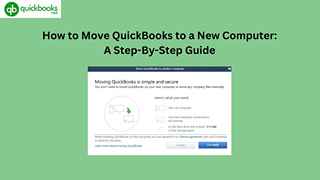
Are you planning on moving your QuickBooks software to a new computer. but the process of transferring your financial data can often be overwhelming.
Whether you’re upgrading to a new computer or simply need to transfer your QuickBooks software to a different machine, it’s important to follow the right steps to avoid any potential data loss or technical mishaps.
From backing up your files to reinstalling QuickBooks on the new computer, we’ll cover all the necessary details to make your transition smooth and hassle-free.
Why You May Need to Move QuickBooks to a New Computer
Moving your QuickBooks installation is not just about transferring software; it’s about ensuring that your financial data, which is the backbone of your business operations, is securely and accurately moved.
This process can also provide an excellent opportunity to clean up your files and archive old data, making your QuickBooks operation smoother and more efficient on your new computer.
Transitioning to a new computer also means that you can take advantage of newer QuickBooks features or updates that perhaps weren’t compatible with your old hardware. Transfer QuickBooks Data to a New Computer.
Preparing to Move QuickBooks
Before you start the process of moving QuickBooks to a new computer, it’s important to prepare adequately to ensure a smooth transition. Begin by reviewing your current QuickBooks setup.
Ensure that you are running the latest version of the software, as this will help avoid compatibility issues on the new machine. If an update is available, it’s wise to install it before proceeding with the transfer.
Next, take stock of any third-party applications or add-ons that integrate with your QuickBooks.
These tools might require separate installations on your new computer, and it’s crucial to ensure they are compatible with your new system to avoid disruptions in your workflow.
Additionally, gather all necessary license information, product numbers, and installation discs or files, as you’ll need these during the reinstallation process.
Highly recommend: Fix error -6000 when opening a company file
Backing Up Your QuickBooks Data
When backing up your data, it’s important to choose a secure location for your backup files.
An external hard drive, a cloud storage service, or a network-attached storage device can be excellent choices.
Ensure that the backup is complete and verify the integrity of the backup file by checking its size and, if possible, restoring it on another system to ensure it’s not corrupted.
Transferring QuickBooks to the New Computer
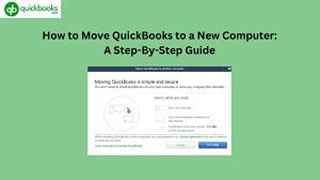
Once you’ve backed up your QuickBooks data, the next step is to transfer the software and your files to the new computer. Start by installing QuickBooks on your new machine.
You can do this by using the original installation disc or downloading the installation file from the QuickBooks website. Ensure that you’re installing the same version of QuickBooks that you were using on your old computer to avoid data compatibility issues.
After installing QuickBooks, do not immediately open your company file on the new computer. First, transfer the backup you created earlier to the new computer.
You can do this using an external hard drive, a USB flash drive, or through a network transfer, depending on the size of the backup file and your available resources.
It’s also essential to transfer any custom templates, letters, or logos you use in QuickBooks. These files are not included in the standard QuickBooks backup, so you’ll need to move them separately.
You can usually find these files in the QuickBooks folder on your old computer and copy them to the corresponding location on your new machine.
Installing QuickBooks on the New Computer
Installing QuickBooks on your new computer is a crucial step in the transfer process. If you’re using a digital download, ensure that you have your license and product numbers handy, as you’ll need to enter these during the installation.
Follow the on-screen instructions carefully, and choose the correct installation options for your setup.
During the installation process, you may be asked whether you’re replacing an existing version of QuickBooks.
If you’re installing the same version that was on your old computer, select “Yes” to ensure that your company files and settings are correctly configured for the new installation.
Once the installation is complete, it’s advisable not to open QuickBooks immediately. Instead, proceed to restore your backup and transfer any additional files, such as custom templates or letters, before launching the software.
This ensures that all your data and settings are in place, making the transition smoother.
Restoring Your QuickBooks Data on the New Computer
Restoring your QuickBooks data on the new computer is a straightforward process, thanks to the backup you created earlier.
Open QuickBooks and navigate to the File menu. Select “Open or Restore Company,” then choose “Restore a backup copy.” Follow the prompts to locate and select your backup file.
During the restoration process, QuickBooks will ask where you want to save the restored company file. Choose a location that’s easy to remember and that you can easily access for your daily operations.
Once the restoration is complete, QuickBooks will open your company file, and you can begin using the software on your new computer.
Verifying and Testing Your QuickBooks on the New Computer
After restoring your QuickBooks data, it’s essential to verify and test the software to ensure everything is working correctly.
Begin by running the “Verify Data” tool within QuickBooks, which checks for any data integrity issues. If the tool finds any problems, you may need to run the “Rebuild Data” tool to correct them.
Next, perform some basic tasks in QuickBooks, such as creating invoices, generating reports, and processing payments. This will help you determine if all features and functions are working as expected.
It’s also a good opportunity to familiarize yourself with any new features or changes that might be present in the version of QuickBooks installed on your new computer.
Troubleshooting Common Issues When Moving QuickBooks
Despite careful planning and execution, you may encounter some common issues when moving QuickBooks to a new computer. One frequent problem is errors when restoring the backup.
Which can be due to a corrupted backup file or issues with the version of QuickBooks you’re using. Ensure that you’re using a compatible version and that your backup file is intact.
Another issue could be missing data or transactions after the restoration. This could be caused by not transferring all necessary files, such as custom templates or additional QuickBooks-related documents.
Double-check that you’ve moved all relevant files to your new computer.
Conclusion and Final Tips
Moving QuickBooks to a new computer can be a smooth and stress-free process if you follow the steps outlined in this guide.
By preparing adequately, backing up your data, and carefully restoring it on your new machine, you can ensure that your financial management continues without interruption.
Remember to verify and test QuickBooks and any integrated applications thoroughly after the move to catch any potential issues early.
And, if you encounter any problems. QuickBooks offers a wealth of resources and support to help you troubleshoot and resolve them.


