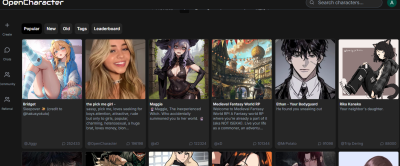
Creating digital personalities is no longer limited to game developers or large studios. Today, I can sit at my desk and bring a fully interactive persona to life using modern tools. If you’ve ever wanted to make your own AI character, platforms like OpenCharacter AI make that process simple, flexible, and surprisingly creative.
In this blog, we will walk through how we can create AI character experiences from scratch, shape their personalities, and even turn them into income-generating assets. Whether you are a beginner or already experimenting with AI chatbot design, this article will give you a practical and human-friendly path forward.
Why Personal AI Characters Are Becoming So Popular
People are no longer satisfied with static content. They want interaction. They want conversation. That is where an AI character creator becomes powerful.
When I first tried building a digital persona, I realized it was not just about text responses. It was about personality, tone, and emotional connection. Similarly, users today expect characters that feel real, responsive, and consistent.
A few reasons why creators are moving toward this space:
- Interactive storytelling is growing fast
- Personalized AI chatbot character experiences attract more users
- Creators can build communities around unique personas
- AI driven income for creators is becoming a real opportunity
In comparison to traditional content, AI characters keep users engaged longer. They return not just to read, but to talk.
Getting Started with OpenCharacter AI Platform
Before we build anything, we need to understand how the platform works. OpenCharacter AI is designed to help users create AI character experiences without needing coding skills.
When I first logged in, the interface felt simple. However, behind that simplicity, there are powerful tools that allow us to build AI character systems that feel natural.
Here’s how we begin:
Step 1: Sign Up and Access the Dashboard
After creating an account, we land on the dashboard where all our characters live. This is where we manage, edit, and test our creations.
Step 2: Choose to Create a New Character
Clicking on the “create” option opens the editor where we define everything about our character.
At this stage, we officially begin to make AI character content that users will interact with.
Designing a Personality That Feels Real
A character without personality is just a bot. So, the most important step when we create AI character systems is defining who they are.
I usually start by asking:
- What is their background?
- How do they speak?
- What emotions do they show?
Similarly, tone plays a huge role. A funny character behaves very differently from a serious advisor.
When we build AI character profiles, we should include:
- Name and identity
- Communication style
- Interests and knowledge areas
- Behavior patterns
In the same way, consistency matters. If your character is friendly, they should remain friendly in all conversations.
Crafting Smart Conversations for Better Interaction
Now comes the part where we shape how the AI responds. This is where the AI character generator truly becomes useful.
Instead of random replies, we define structured prompts that guide the AI. I’ve noticed that better prompts lead to more realistic conversations.
We can improve responses by:
- Writing example dialogues
- Defining do’s and don’ts
- Setting boundaries for behavior
However, balance is important. Too many restrictions can make the character feel robotic. Too few can make it inconsistent.
Eventually, you will find a middle ground where your AI chatbot character feels natural and engaging.
Using Visual Identity with AI Avatar Creation
Text alone is powerful, but visuals make everything stronger. That is where an AI avatar creator comes into play.
When I added a visual face to my character, engagement increased noticeably. Users connected faster because they could “see” the persona.
You can customize:
- Facial expressions
- Style (realistic, anime, cartoon)
- Colors and themes
In spite of simple tools, the visual layer adds personality depth. It turns your project into a complete AI character online experience.
Testing and Improving Your Character
Once we create AI character systems, testing is essential. I usually spend time chatting with my own creation to see how it behaves.
Here’s what to check:
- Does it stay in character?
- Are responses relevant?
- Does it handle unexpected questions well?
If something feels off, we refine prompts and adjust personality settings.
Similarly, feedback from real users helps improve quality. Their questions often reveal gaps we didn’t notice.
Making Your Character Public and Shareable
After testing, we can publish the character so others can interact with it. This is where things get exciting.
Your custom AI character becomes accessible to a wider audience. People can chat, share, and recommend it.
To improve reach:
- Add a clear description
- Choose the right category
- Share on social platforms
In the same way, consistency in updates keeps your character relevant and active.
Turning Creativity into AI Driven Income for Creators
One of the most exciting parts is monetization. AI driven income for creators is no longer just an idea—it’s happening right now.
I’ve seen creators earn through:
- Premium character access
- Subscription-based interactions
- Brand collaborations
- Exclusive content experiences
Not only can we make your own AI character for fun, but also turn it into a digital asset.
However, success depends on quality and uniqueness. A generic character won’t stand out. A well-developed one can build a loyal audience.
Advanced Customization for Better Control
Once you are comfortable, you can move beyond basic setup and create AI character systems with deeper customization.
This includes:
- Scenario-based conversations
- Role-specific responses
- Memory-based interactions
Likewise, adding context awareness helps your character respond more intelligently over time.
The more effort we put into customization, the more human-like the experience becomes.
Real-World Use Cases for AI Characters
AI characters are not limited to entertainment. I’ve seen them used in many practical ways.
For example:
- Virtual assistants for businesses
- Educational tutors
- Storytelling companions
- Customer support bots
In comparison to static FAQs, interactive characters provide dynamic answers.
This is why many creators now use an AI character maker to build tools that solve real problems.
Adding Emotional Depth and Realism
A strong AI character creator allows us to add emotional layers. Without emotions, interactions feel flat.
I try to include:
- Empathy in responses
- Humor where appropriate
- Context-based reactions
Although AI is not human, it can simulate emotional patterns effectively.
As a result, users feel more connected and engaged during conversations.
Strategic Placement of Niche Keywords for Growth
At one point while working on content, I experimented with conversational niches like AI love chat, and I noticed how emotional interaction styles changed user engagement significantly.
Similarly, in another project, I referred to a simple AI character concept within a storytelling setup, and it helped users quickly understand the purpose of the chatbot.
These small content strategies can improve discoverability and user connection.
Common Mistakes to Avoid While Creating AI Characters
Even though the process is simple, there are mistakes we should avoid:
- Making responses too generic
- Ignoring personality consistency
- Overloading with instructions
- Skipping testing phase
However, learning from these mistakes improves your ability to build AI character systems effectively.
Future of AI Character Creation
The future of AI character online platforms looks promising. With improvements in language models, characters will become more realistic and adaptive.
Eventually, we might see:
- Fully personalized AI companions
- Real-time voice interaction
- Deeper emotional intelligence
In the same way, creators who start early will have a strong advantage in building audiences and income streams.
Final Thoughts
Creating digital personalities is no longer complex. With platforms like OpenCharacter AI, I can make your own AI character in a structured and creative way.
From designing personality to testing conversations and adding visuals, each step brings your idea closer to life. Whether you want to create AI character projects for fun or income, the opportunities are wide open.
If you stay consistent, focus on quality, and keep improving your work, your custom AI character can grow into something much bigger than just a chatbot.
So, start today. Build something unique. And most importantly, enjoy the process of creating your own intelligent digital companion.


