The e-commerce industry has evolved dramatically over the past decade, but no transformation has been as influential as the rise of mobile apps. Today, mobile commerce accounts for more than half of online shopping activity—and it continues to grow. Businesses that once relied on desktop websites now invest heavily in mobile app development to deliver faster, smarter, and more personalized shopping experiences. But what exactly is driving this shift? The answer lies in user experience (UX) and personalization.
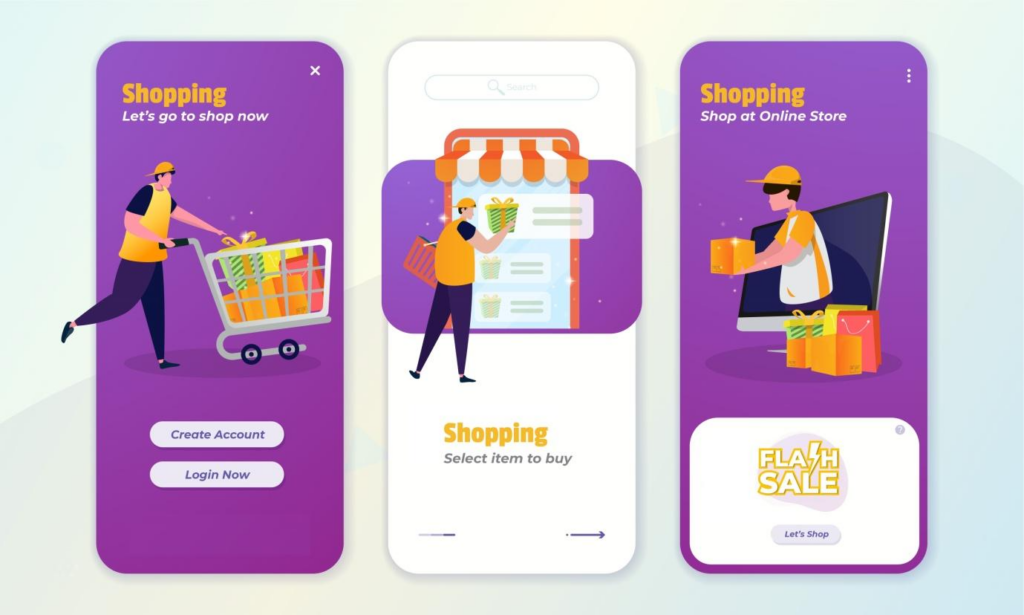
In this article, we explore How E-Commerce Mobile Apps Are Redefining Online Shopping, especially through breakthrough UX innovations and hyper-personalized customer journeys that keep users engaged and spending more.
- Why Mobile Apps Dominate Modern E-Commerce
Mobile apps have become the preferred shopping channel for customers because they offer something websites often struggle to provide: seamless, consistent, and friction-free experiences. Apps load faster, store user preferences, and deliver smoother checkout flows—all factors that directly impact conversion and retention.
Key reasons e-commerce mobile apps are rising:
Instant accessibility—users shop with one tap.
Personalized recommendations based on behavior.
Built-in features such as push notifications, location tracking, and camera scanning.
Faster payment options like UPI, digital wallets, and one-click checkout.
These advantages explain why brands such as Amazon, Myntra, and Meesho have seen exponential growth driven by mobile-first customers.
- Superior UX: The Heart of Mobile Shopping Success
When discussing How E-Commerce Mobile Apps Are Redefining Online Shopping, UX takes center stage. A well-designed app can significantly improve how customers browse, discover products, and complete purchases.
- Intuitive Navigation
E-commerce apps are engineered to minimize user effort. Clean menus, visual product grids, and simple navigation paths ensure users find what they need quickly. Unlike mobile browsers, apps offer:
Sticky search bars
Quick-access menus
Smart filters and sorting
Personalized homepages
This drastically reduces bounce rates and keeps users exploring longer.
- Speed and Performance
According to multiple studies, users abandon websites that take more than three seconds to load. Mobile apps solve this pain point by caching data, optimizing images, and reducing reload times.
Fast-loading product pages and smooth scrolling make browsing enjoyable, ultimately boosting conversions.
- Streamlined Checkout
Cart abandonment is one of the biggest challenges in e-commerce. Apps combat this with:
One-page checkout
Auto-filled information
Multiple payment options
Integrated wallets and UPI
Biometric login and payment authentication
The easier it is to complete a purchase, the higher the sales.
- Visual and Interactive Experiences
E-commerce apps integrate advanced visuals—3D product views, AR try-ons, and high-resolution galleries—to offer immersive experiences. This is especially beneficial for fashion, beauty, furniture, and electronics categories.
Interactive UX helps customers make confident decisions, reducing returns and increasing satisfaction.
- Personalization: The Game-Changer in Modern E-Commerce
Perhaps the most revolutionary impact of mobile apps is their ability to deliver deep personalization across the customer journey. Apps collect user data such as browsing patterns, purchase history, preference settings, and geographic location to create individualized experiences.
Here’s how personalization is reshaping online shopping:
- Tailored Homepages
The homepage is no longer the same for every user. Instead, shoppers see:
Products aligned with past behavior
Personalized categories
Recently viewed items
Offers based on preferences
This increases relevance and drives impulse purchases.
- Intelligent Product Recommendations
Using AI and machine learning, apps recommend products that users are most likely to buy. These recommendations can appear on:
Homepages
Product pages
Cart pages
Post-purchase screens
Such predictive analytics greatly enhances cross-selling and upselling.
- Personalized Push Notifications
Push notifications remain one of the strongest engagement tools for apps. They offer value by informing users about:
Price drops
Sale alerts
Restocked items
Abandoned carts
Personalized promotions
Personalized notifications see much higher open and click-through rates than generic marketing messages.
- Location-Based Personalization
With GPS, apps can show:
Store availability
Local delivery options
Region-specific deals
This makes shopping more convenient and relevant to individual users.
- Integrating AI and ML to Personalize the Shopping Experience
In understanding How E-Commerce Mobile Apps Are Redefining Online Shopping, we cannot ignore the role of AI-driven personalization. Artificial Intelligence helps apps adapt to each user’s preferences in real time.
Examples include:
Chatbots offering personalized product suggestions
Voice search that understands natural language
Dynamic pricing models adjusting offers based on behavior
Fraud detection and secure payments
AI-powered visual search (search by image)
These features elevate convenience and enrich the shopping journey.
- Building Customer Loyalty Through Better UX and Personalization
When customers feel understood, valued, and supported, loyalty grows naturally. Mobile apps facilitate this through:
Loyalty programs integrated into the app
Reward points tracking
Exclusive app-only discounts
Faster customer support through in-app chat
Order tracking and quick returns
This creates a cycle where great UX → positive emotional experience → loyalty → repeated sales.
- Why Businesses Must Invest in E-Commerce Mobile Apps
If brands want to stay competitive in 2025 and beyond, investing in mobile commerce is no longer optional. Benefits include:
Higher conversion rates
Increased average order value
Stronger brand recognition
Better customer retention
Deep analytics for better decision-making
By prioritizing UX optimization and personalization, businesses can unlock massive growth potential.
Conclusion
E-commerce mobile apps are reshaping the way people shop by offering fast, intuitive, and highly personalized experiences that websites cannot match. From intelligent recommendations to frictionless checkout journeys, apps are redefining customer expectations and driving higher engagement, loyalty, and revenue.
As the digital marketplace becomes increasingly competitive, businesses that embrace superior UX and advanced personalization will lead the future of online shopping. This is the true essence of How E-Commerce Mobile Apps Are Redefining Online Shopping—by creating experiences that feel faster, smarter, and tailored to every individual shopper.

