
Choosing the right university is an important step towards building a successful career, especially if you want to work in a creative industry. Whether your ambition is to become a musician, filmmaker, actor, music producer, or creative business professional, developing the right skills and gaining relevant experience can help you move closer to your goals. BIMM University is a specialist higher education institution in the UK that focuses on creative subjects and industry-related learning.
For students who want to turn their passion into a profession, BIMM University offers opportunities to explore creative disciplines, develop practical abilities, and understand how different industries operate. However, achieving career success also requires dedication, continuous learning, and careful planning. Understanding how BIMM University can support your career goals can help you decide whether its courses match your interests and long-term ambitions.
1. Choose a Course That Matches Your Career Goals
One of the first ways BIMM University can support your career goals is by offering specialist courses in creative fields. Choosing a programme that matches your interests allows you to focus on developing relevant knowledge and skills.
Depending on the available courses and campus, students can explore subjects such as music performance, songwriting, music production, music business, filmmaking, acting, and performing arts.
Music and Music Production
If you want to become a professional musician, songwriter, or producer, a relevant music programme can help you develop your creative and technical abilities. You may explore performance techniques, composition, recording, sound production, or other areas related to your chosen specialism.
Film and Screen Production
Students interested in filmmaking can investigate courses related to directing, cinematography, editing, and production. These subjects can help you understand how visual stories are planned, created, and presented to audiences.
Performing Arts
If your ambition is to work as an actor or performer, a suitable programme may help you develop voice, movement, interpretation, and stage or screen performance skills.
Selecting a course that supports your career direction gives you a clearer focus throughout your studies. Always check the latest course information because availability and specialisms can differ between campuses.
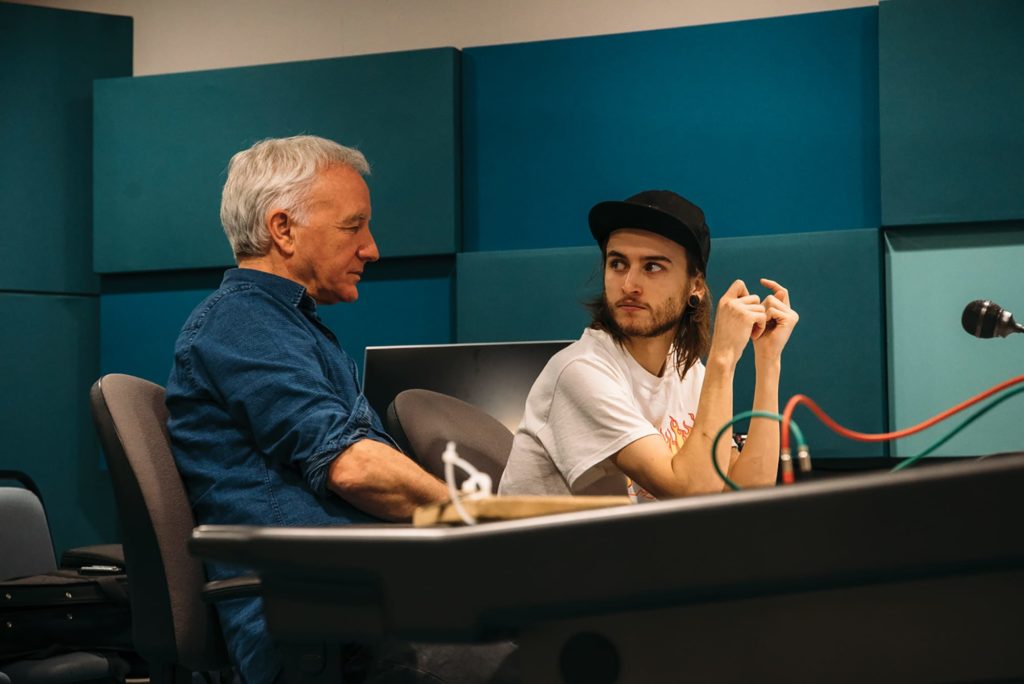
2. Develop Practical Skills for the Workplace
Creative careers often require more than academic knowledge. Employers, clients, and collaborators may look for people who can apply their skills, solve problems, and complete projects professionally.
BIMM University programmes may combine theoretical learning with practical assignments, workshops, and creative projects. The specific opportunities depend on your course.
For example, music students may work on recordings or performances, while film students may participate in screen production activities. These experiences can help students understand the processes involved in developing and completing creative work.
Practical learning can also improve important transferable skills, including communication, teamwork, time management, and problem-solving. These abilities can be useful across many professional environments.
By applying what you learn to practical tasks, you can identify your strengths, recognise areas for improvement, and build confidence in your chosen subject.
3. Build a Strong Professional Portfolio
A portfolio is an important tool for many creative professionals. It provides evidence of your abilities and allows potential employers, clients, or collaborators to review your work.
Studying at BIMM University may help you develop portfolio material through course projects and independent creative activities.
Showcase Your Best Work
Depending on your subject, your portfolio might include music recordings, songwriting samples, film projects, editing work, performance clips, or other creative outputs. Choose examples that demonstrate your skills and reflect your professional interests.
Demonstrate Your Progress
Your portfolio can show how your abilities develop over time. Reviewing earlier projects and comparing them with newer work can help you understand your progress and identify skills that need further development.
A well-organised portfolio can also support applications for internships, freelance opportunities, further study, and relevant employment. Remember to follow any copyright, collaboration, and confidentiality requirements when sharing your work.
4. Explore Networking and Collaboration Opportunities
Building professional relationships can be valuable in creative industries. Musicians work with producers, filmmakers collaborate with editors, and performers often connect with directors and production teams.
At BIMM University, studying alongside people who share creative interests may provide opportunities to exchange ideas, collaborate on projects, and develop professional relationships.
Learn Through Teamwork
Group assignments and creative projects can help you understand different responsibilities within a team. You may learn how to communicate ideas, manage disagreements, organise tasks, and contribute to a shared objective.
Expand Your Industry Knowledge
Depending on your course and campus, industry events, guest sessions, or other professional activities may provide opportunities to learn from people working in creative fields.
Networking does not automatically lead to employment, but building genuine professional relationships can help you learn about different career paths and discover future opportunities.
5. Understand Your Career Options
Creative degrees can support different career directions, and understanding these possibilities early can help you make informed decisions.
Graduates interested in music may explore careers in performance, songwriting, music production, artist management, or music promotion. Film students may investigate opportunities in directing, editing, cinematography, and production coordination. Performing arts students may pursue acting, theatre, screen performance, or related creative work.
Your career options will depend on your subject, experience, skills, and professional interests. Some roles may require additional training or substantial practical experience.
During your studies, research the qualifications and abilities employers expect. Reviewing job descriptions, following industry developments, and speaking with experienced professionals can help you identify useful skills to develop before graduation.
6. Develop Confidence and Professional Communication
Confidence is valuable when presenting creative work, attending interviews, meeting clients, or performing in front of an audience.
Studying at BIMM University may provide opportunities to practise communicating ideas, presenting projects, receiving feedback, and working with other people. These experiences can help you become more comfortable explaining your creative decisions and discussing your work professionally.
Constructive feedback is particularly important because creative projects often involve reviewing and improving ideas. Learning to respond positively to suggestions can help you develop a more flexible and professional approach.
You can strengthen these skills further by practising presentations, participating in group activities, and seeking feedback from tutors and peers.
7. Prepare for Employment and Freelance Work
Not every creative graduate follows a traditional employment route. Some professionals work for companies, while others build freelance careers, establish businesses, or combine several types of work.
BIMM University students can use their time at university to investigate the working arrangements common in their chosen field. Depending on available course support, they may also access guidance related to professional development and career planning.
If you want to work freelance, learn how to communicate with clients, manage deadlines, price your services appropriately, and maintain professional relationships. If you prefer employment, practise preparing a CV, presenting your portfolio, and answering interview questions.
Gaining relevant experience through suitable projects or opportunities can help you understand workplace expectations and demonstrate your readiness for professional responsibilities.
8. Make the Most of Your University Experience
Your career development depends not only on the university you attend but also on how actively you use the opportunities available.
Set clear goals for each academic year, such as improving a technical skill, completing a portfolio project, or developing industry connections. Review your progress regularly and adjust your plans as your interests change.
Take part in relevant projects, seek constructive feedback, and explore opportunities to work with people outside your immediate subject area. These activities can help you develop a broader understanding of the creative industries.
International students should also research applicable UK work and immigration rules before making plans for employment after graduation. Eligibility and visa options depend on current requirements and individual circumstances.
Conclusion
BIMM University can support your career goals by offering specialist creative education, opportunities for practical learning, and an environment where students can develop their skills and collaborate with others. Building a portfolio, understanding industry expectations, and improving communication can also help you prepare for future opportunities.
However, career success is not guaranteed by a qualification alone. Your commitment, professional experience, and willingness to continue learning will play important roles in your progress.
Before applying, review the courses, entry requirements, fees, and available career support on the official BIMM University website. Choosing a programme that matches your ambitions and making the most of your learning experience can help you take meaningful steps towards your chosen creative career.


