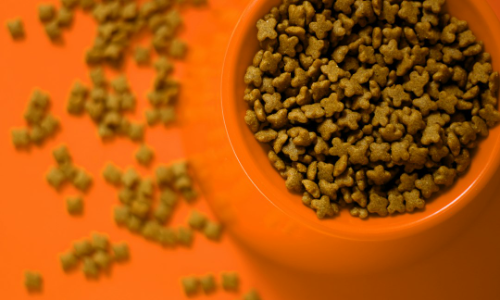
Choosing the right food is an important part of keeping your dog healthy, active, and comfortable. Every dog has different nutritional needs depending on age, breed, activity level, and health condition. Some pet owners explore grain-free diets when their dogs have specific dietary sensitivities or when a veterinarian recommends an alternative food formula. Understanding the ingredients and nutritional value can help you make an informed decision.
What Is Grain-Free Dog Food?
grain free dog food is formulated without common grains such as wheat, corn, rice, barley, and oats. Instead, manufacturers may use ingredients such as potatoes, peas, lentils, or other carbohydrate sources. These recipes can also contain animal proteins, fats, vitamins, and minerals to support a balanced diet.
However, grain-free does not automatically mean healthier. The quality of the protein, overall nutrient balance, digestibility, and suitability for your dog’s individual needs are more important than the absence of grains alone.
Potential Benefits of Grain-Free Diets
Supporting Dogs With Specific Food Sensitivities
Some dogs experience digestive discomfort or skin irritation because of a particular ingredient. In certain cases, a veterinarian may recommend a carefully selected diet to help identify the cause. A grain-free formula may be appropriate when a specific grain is confirmed to be a problem, but many food allergies in dogs involve animal proteins rather than grains.
Providing Alternative Ingredients
Grain-free recipes often use alternative carbohydrate sources and different combinations of protein and fat. These ingredients can offer energy and essential nutrients when included in a properly formulated diet. Always check the nutritional label to understand what the product contains.
Is Zero-Grain Food Suitable for Every Dog?
zero grain dog food may appeal to owners looking for recipes without traditional grains, but it is not necessary for every pet. Dogs can digest many properly cooked grains, and these ingredients can provide useful nutrients. Removing grains without a clear dietary reason does not guarantee better digestion, healthier skin, or improved energy.
Before changing your dog’s regular food, consider speaking with a veterinarian, especially if your pet has ongoing itching, vomiting, diarrhea, or other health concerns. Your veterinarian can help determine whether a dietary trial or a different nutritional approach is appropriate.
Top Pet Food Providers to Explore
When comparing dog food brands and retailers, focus on ingredient transparency, nutritional adequacy, product quality, and availability.
- Established Pet Food Brands: Explore manufacturers that provide complete and balanced diets, clear feeding guidelines, and detailed nutritional information.
- Pets World: Pets World is an option for pet owners exploring dog food and everyday pet supplies. Compare available products and check their ingredient lists to find an option suitable for your dog’s needs.
- Veterinary Nutrition Brands: These products may be useful when a dog requires a specific diet recommended by a veterinary professional.
- Specialty Pet Retailers: Specialist stores can help owners compare different food formulas, pack sizes, and feeding options.
Always verify that a product is appropriate for your dog’s life stage and nutritional requirements rather than choosing solely on the basis of marketing claims.
How to Choose the Right Food
Read the Ingredient and Nutrition Labels
Look beyond the front of the package. Review the primary protein sources, fat content, carbohydrate ingredients, feeding instructions, and nutritional adequacy statement. Choose food designed for your dog’s life stage, whether puppy, adult, or senior.
Consider Your Dog’s Individual Needs
An active dog may have different calorie requirements from a less active companion. Dogs with medical conditions may also need a specialized feeding plan. If you change food, introduce the new formula gradually over several days unless your veterinarian advises otherwise.
Discuss Grain-Free Choices With a Veterinarian
Some research has raised concerns about a possible association between certain grain-free diets, particularly those containing substantial amounts of peas, lentils, or other pulses, and dilated cardiomyopathy in dogs. The relationship is not fully understood, so consult your veterinarian before making a long-term dietary change.
Conclusion
Choosing the right dog food requires more than selecting a recipe based on one ingredient category. grain free dog food can be suitable for some dogs when it meets their nutritional needs, while a conventional balanced diet may be equally appropriate for others. Carefully compare ingredients, nutritional standards, and professional advice before deciding.
If you are considering zero grain dog food, prioritize your pet’s overall health and individual requirements. With informed choices and regular veterinary guidance, you can support your dog’s long-term well-being and make feeding decisions with confidence.


