Introduction
Understanding Actinic Keratosis
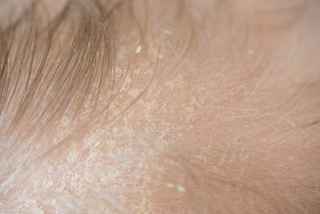
Actinic keratosis (AK) is a common skin condition caused by prolonged exposure to ultraviolet (UV) light. Characterized by rough, scaly patches on sun-exposed skin, AK can develop into skin cancer if left untreated. Preventive measures are crucial to managing and reducing the risk of this condition, especially in sunny climates like Abu Dhabi.
Importance of Prevention
Preventing Actinic Keratosis treatment in Abu Dhabi is vital for maintaining skin health and reducing the risk of skin cancer. Implementing effective preventive strategies can help protect your skin from UV damage and promote overall skin well-being.
What is Actinic Keratosis?
Definition and Causes
Actinic keratosis is a precancerous skin condition that typically appears as rough, scaly patches on areas of the skin frequently exposed to the sun. It is caused by long-term UV radiation exposure, which damages the skin’s outer layers.
Risk Factors
Factors that increase the risk of developing actinic keratosis include:
- Prolonged Sun Exposure: Frequent and unprotected exposure to the sun’s UV rays.
- Fair Skin: Individuals with lighter skin tones are more susceptible.
- Age: AK is more common in older adults.
- Previous Skin Damage: History of sunburns or skin damage.
Expert Tips for Preventing Actinic Keratosis
Avoiding Excessive Sun Exposure
Limiting time in the sun, especially during peak UV hours (10 a.m. to 4 p.m.), is crucial for preventing actinic keratosis. Seek shade whenever possible and plan outdoor activities during early morning or late afternoon hours.
Using Sunscreen Effectively
Choose a broad-spectrum sunscreen with an SPF of 30 or higher. Apply it generously to all exposed skin, and reapply every two hours, or more frequently if swimming or sweating. Ensure that sunscreen is applied even on cloudy days, as UV rays can penetrate through clouds.
Wearing Protective Clothing
Protective clothing, such as wide-brimmed hats, long-sleeved shirts, and sunglasses, can shield your skin from UV exposure. Look for clothing with UV protection ratings for added safety.
Regular Skin Checks
Regular skin self-exams and professional dermatological check-ups are essential for early detection of actinic keratosis. Monitor your skin for any changes, such as new or changing spots, and consult a dermatologist if you notice any unusual signs.
Avoiding Tanning Beds
Tanning beds expose your skin to UV radiation, increasing the risk of developing actinic keratosis and skin cancer. Avoid using tanning beds and opt for safer alternatives like self-tanning products.
Staying Hydrated
Proper hydration supports skin health and resilience. Drink plenty of water throughout the day to maintain skin hydration and overall health.
Sun Protection Strategies in Abu Dhabi
Understanding UV Index in Abu Dhabi
Abu Dhabi experiences high UV radiation levels throughout the year due to its sunny climate. Monitor the UV index to determine the intensity of UV radiation and take appropriate sun protection measures based on the forecast.
Best Sunscreens for Local Conditions
Sunscreens formulated for high UV conditions are ideal for Abu Dhabi’s climate. Look for water-resistant and sweat-resistant formulas to ensure lasting protection in hot and humid conditions.
Protective Clothing Recommendations
In Abu Dhabi, opt for lightweight, breathable fabrics with UV protection. Ensure that your clothing covers as much skin as possible while remaining comfortable in the heat.
Role of Diet and Lifestyle in Prevention
Antioxidants and Skin Health
A diet rich in antioxidants can help protect your skin from oxidative damage caused by UV radiation. Foods high in vitamins C and E, such as fruits and vegetables, support skin health and may reduce the risk of actinic keratosis.
Healthy Eating Habits
Incorporate a variety of nutrient-dense foods into your diet to support overall health. A balanced diet with adequate vitamins and minerals contributes to skin resilience and can aid in the prevention of skin conditions.
Regular Exercise and Skin Health
Regular physical activity improves circulation and supports overall skin health. Exercise also helps manage stress, which can impact skin conditions.
When to See a Dermatologist
Signs and Symptoms to Watch For
Seek medical advice if you notice any of the following:
- Rough, scaly patches on sun-exposed skin
- Changes in existing spots or moles
- Persistent redness or irritation
Importance of Early Detection
Early detection of actinic keratosis is crucial for effective treatment and prevention of progression to skin cancer. Regular dermatological evaluations can identify precancerous changes before they develop into more serious conditions.
Success Story 1: Effective Sun Protection
Case Study: Prevention Strategies in a Local Resident
A resident of Abu Dhabi successfully implemented sun protection strategies, including regular use of high-SPF sunscreen and protective clothing. By avoiding peak sun hours and maintaining consistent sun safety practices, they significantly reduced their risk of developing actinic keratosis.
Outcomes and Feedback
The individual reported improved skin health and fewer concerns about sun-related skin issues. They appreciated the effectiveness of their preventive measures and felt more confident in their sun protection routine.
Success Story 2: Dietary Changes for Better Skin Health
Case Study: Impact of Nutrition on Actinic Keratosis Prevention
A patient made dietary changes to include more antioxidant-rich foods, such as berries and leafy greens. These dietary adjustments were part of a broader strategy to enhance skin health and prevent actinic keratosis.
Outcomes and Feedback
The patient experienced healthier skin and a noticeable reduction in sun-induced skin damage. They found that incorporating nutrient-dense foods contributed positively to their overall skin health.
Success Story 3: Regular Skin Checkups
Case Study: Early Detection and Prevention Success
A local resident committed to regular dermatological check-ups, leading to the early detection of actinic keratosis. This proactive approach allowed for timely treatment and prevention of further skin damage.
Outcomes and Feedback
The patient successfully managed their condition with minimal intervention. They valued the peace of mind provided by regular check-ups and the early detection of potential issues.
Additional Resources and Support
Recommended Dermatologists and Clinics in Abu Dhabi
Several reputable dermatologists and clinics in Abu Dhabi offer expert care and preventive services for actinic keratosis. Researching and consulting with these specialists can provide personalized advice and treatment options.
Educational Resources and Support Groups
Educational resources, including online materials and local support groups, offer valuable information and support for managing skin health and preventing actinic keratosis. Engaging with these resources can enhance your knowledge and provide additional preventive strategies.
Conclusion
Recap of Key Prevention Tips
Preventing actinic keratosis involves a combination of sun protection, healthy lifestyle choices, and regular skin check-ups. By following expert tips and incorporating these strategies into your routine, you can reduce the risk of developing this condition and maintain healthy skin.
Encouraging Preventive Measures
Taking proactive steps to prevent actinic keratosis is essential for protecting your skin and overall health. Embrace sun safety practices, make healthy dietary choices, and seek regular dermatological care to achieve the best outcomes.
FAQs
What are the early signs of actinic keratosis?
Early signs include rough, scaly patches on sun-exposed skin, which may feel dry or itchy. Changes in existing spots or the appearance of new growths should also be monitored.
How often should I get a skin check-up?
It is recommended to have a skin check-up annually, especially if you have a history of sun exposure or notice any changes in your skin. Consult your dermatologist for personalized recommendations.
Are there specific sunscreens recommended for Abu Dhabi’s climate?
Look for broad-spectrum sunscreens with SPF 30 or higher that are water-resistant and suitable for high UV.


