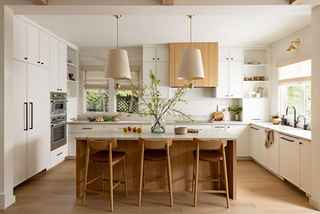
When starting the process of building a new home, one of the very first and most vital decisions you’ll have to make will be selecting between a custom home builder and a production builder. This decision will seriously determine how the potential experience of having a home built would develop, together with timing, costs, and most importantly, how truly unique and personalized your new home will really be. To help you make an informed decision, let’s see the differences between custom home builders and production builders, exploring their g features, benefits, and potential drawbacks.
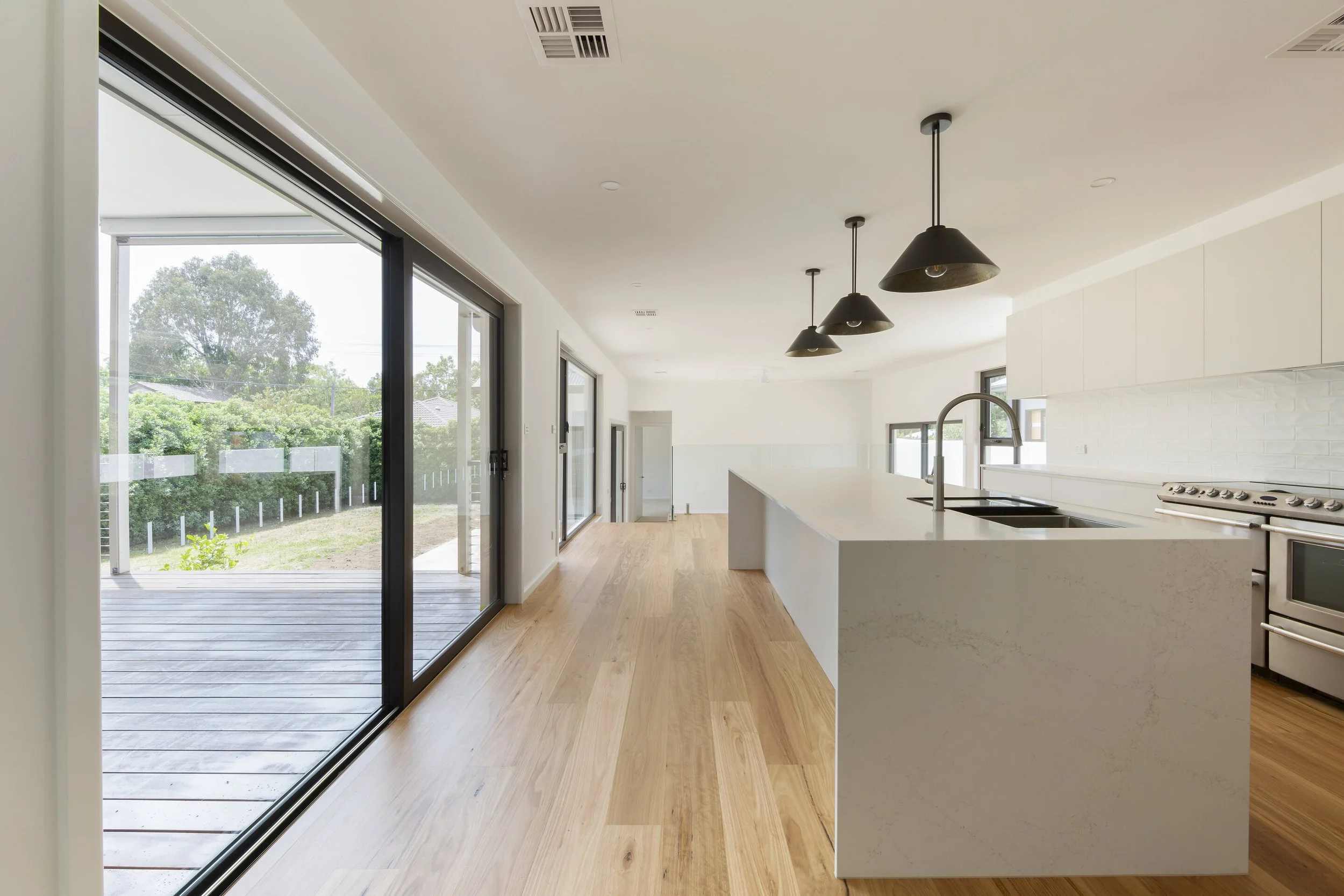
Custom Home Builders: Tailored to Perfection
Custom home builders allow making homes personalized for the client and flexible as possible. By working hand in hand with the homeowners, architects, and designers, the homebuilders put into the desired home every necessary requirement. Here are the key aspects related to custom home builders:
1. Personalization and Flexibility
You will get plenty of room for customization and personalization in your design when it comes to custom home builders. They offer custom design for the layout and floor plan, down to the smallest detail in fixtures and finishes. This means that you can implement your ideas, preferences, and specific needs into the design itself, leaving you with a truly unique home that reflects your personality and lifestyle.

2. Unique Designs and Quality Craftsmanship
With custom home builders, you are not restricted to pre-designed plans or templates. Instead, you can collaborate with architects and designers to create a unique design that aligns with your vision. Custom builders often focus on quality craftsmanship, using premium materials and paying attention to detail to ensure that every aspect of the home is built to the highest standards.
3. Site-Specific Construction
Custom home builders will normally build on land that is owned by the client, enabling the possibility to do a site-specific construction. A design by a homeowner can be laid out in a manner that will highlight the beauty of said lot, specifically views, topography, and natural surroundings. This would give a home the chance to be merged within its environment, hence increasing its aesthetic appeal and functionality.
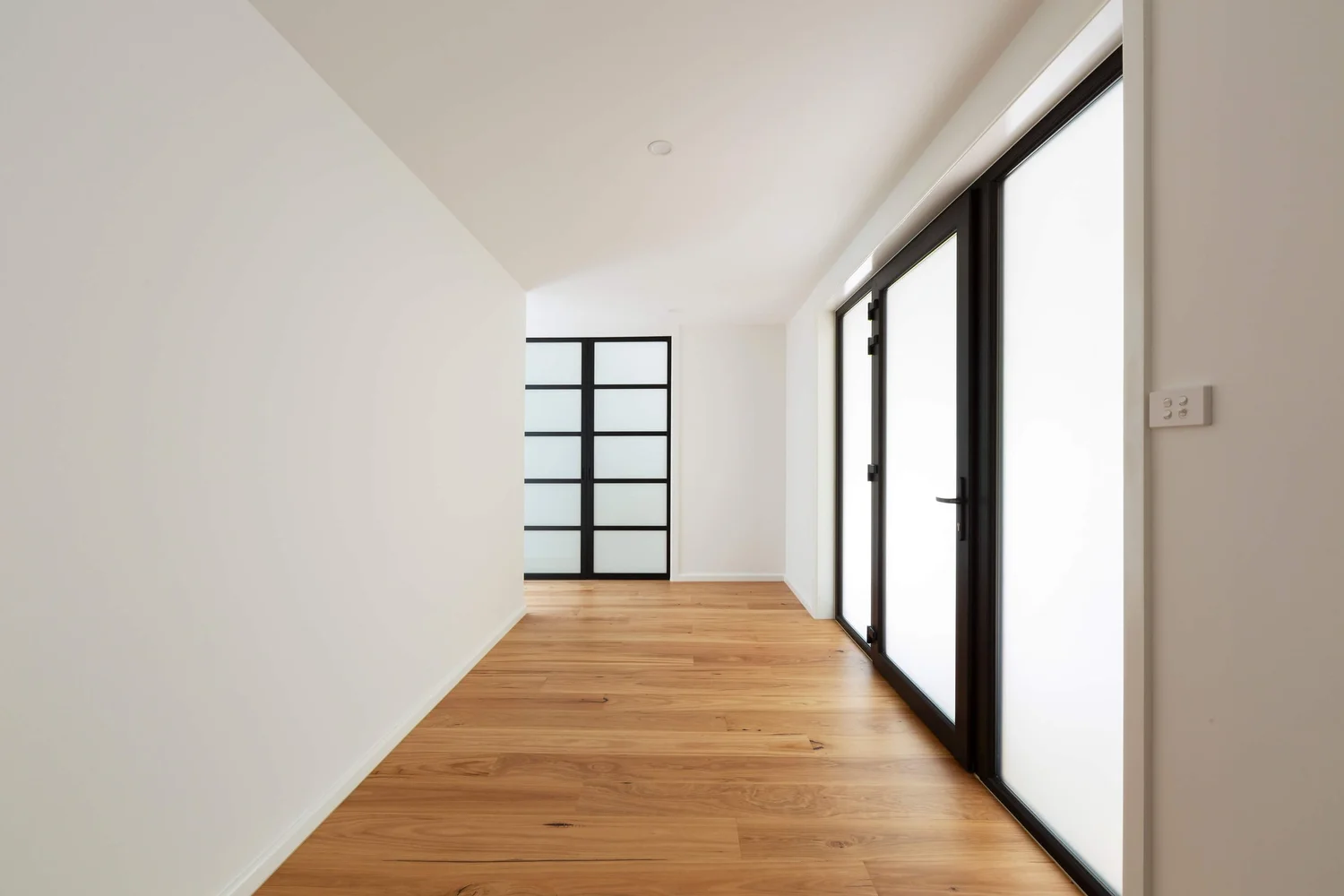
4. Longer Timeframes
One drawback of personalizing custom home building is that long periods are usually incurred when constructing the building. The design and many permits and construction, in general, are all long processes that could last up to months or years before the whole process is completed. While this might require a little more patience from you, the result is something that truly represents your desires in the home.
5. Higher Costs
Customization costs money, and so does quality. A feature that sticks out most for custom home builders is that they are pricier than production builders because of the artful touch, quality of materials, and careful workmanship involved. But those are generally what makes the endeavor worthwhile for a homeowner who seeks to put some home-in-home building.
Production Builders: Efficiency and Affordability
Production builders or what are also popularly referred to as tract builders construct homes in large quantities as may be provided for in a development or community. They offer an array of model homes and floor plans that buyers can select from, though there may be little room for customization. The following are some of the key elements of production builders
1. Standardization and Efficiency
Production builders work on an economy of scale: they build many homes at a go, following the same layout and process. The result is that through such economies of scale and efficiencies, the realized cost efficiencies could be passed to the buyers themselves. Building time is very short compared to a custom home, so one can move into the house very quickly.
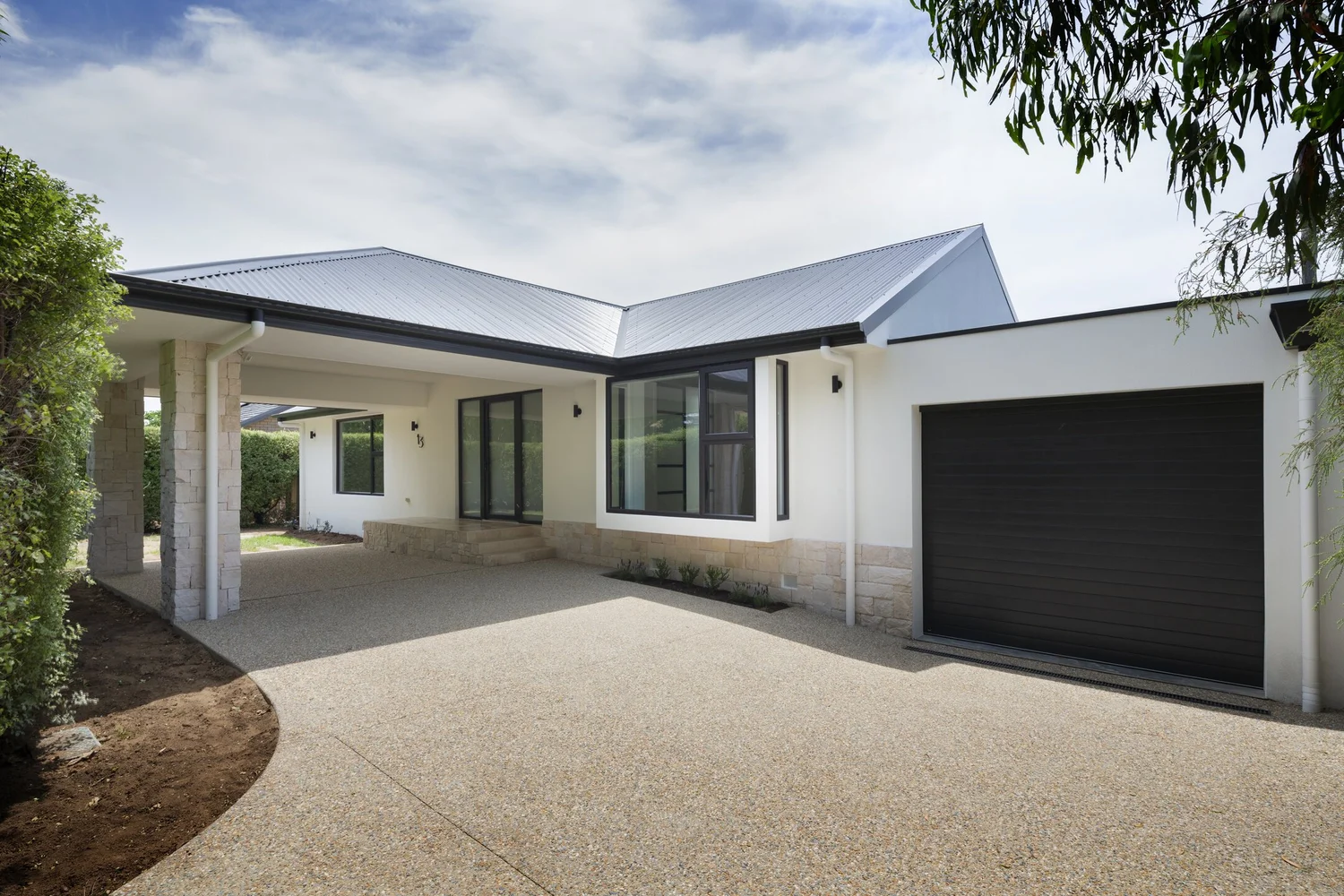
2. Limited Customization
Although production builders have a certain level of customization, it is typically only among several predefined sets of options—flooring, cabinetry, countertops, and paint colors. Major changes in floor plans or structure are generally not possible. This restricted option affords a competitive advantage in cost conservation while providing the opportunity for highly customizable options, which may not completely fulfill the pursuits at large for these buyers.
3. Predictable Costs
Another of the enormous positives in engaging the services of a production builder is cost predictability. Due to the process and set of plans from which production homes emanate, there is more of a sense of transparency, perhaps even in the likelihood that features and finishes are packaged and come at a set price. This in turn makes it easy for buyers to prepare a budget, thus saving them from last-minute expenses that may occur.

4. Community Amenities
Production builders have the ability to set up entire communities with shared amenities like parks, playgrounds, swimming pools, and clubhouses. They create exponentially planned areas that offer a sense of neighborhood and community spirit, which might appeal to families or individuals looking for a group residence lifestyle for social and interactive living.
5. Lower Initial Costs
Because production builders have well-oiled machinery featuring standardized construction methods and bulk purchasing of construction materials, they build homes for far less cost than a custom builder. Homes that are within reach of a large pool of buyers, including first-time home buyers or those on a strict budget, are generally the result of affordability built into production homes.
Making the Right Choice for You
Prospective homeowners can choose between custom home builders and production builders based on what they hold dear, their budget, timeline, and personal preferences. Here are some points to consider before making your decision:
1. Your Vision and Preferences
If you have a clear vision for your dream home and want every aspect to be perfect, a custom home builder is definitely the right.route to go down. No doubt, collaborating with architects and designers will most likely involve much more time and effort. Conversely, if you are fairly easygoing and are okay with pre-designed plans, a production builder is more likely going to provide a quicker and more economical solution.
2. Budget Constraints
Budget is a big determinant in this choice. In most cases, due to the level of detail and quality accorded to them, custom homes generally cost more. Therefore, if your budget is tight, you might consider a production home that will help you afford homeownership without necessarily missing out on some basic requisite features.
3. Timeline
Think about when you want to or when you have to move. It takes more time to design and build a custom home, so if time is a concern then a production home is more likely the way to go. Production homes have a more predictable timeline so that you can time your move.
4. Location and Land
Have a particular location in mind or already own a lot? A custom home builder can design and build a home on your land that maximizes the available view. Production builders do typically limit offerings to select locations in their own developments.
5. Level of Involvement
A custom home will involve the owner much more. He will be engaged and need to make many decisions as the design of his new home progresses. Some would feel more at ease with a production builder, who follows a more cookie-cutter path to your new home.
Conclusion
Both custom and production home builders have their distinct advantages and disadvantages. While custom house builders offer the opportunity to develop a truly personal and even high-quality house, these houses can be quite costly and can take a long time to construct. Production builders, on the other hand, are efficient, affordable, and quick to build, but their houses come with limited customization options.
In the end, the choice between a custom home builder and a production builder depends on your own individual needs, preferences, and circumstances. By making a well-thought-through plan based on your vision, budget, timeline, and how hands-on you would want to be, you will be well-guided in making a decision that will eventually culminate in getting to have your dream home built—whether it is a one-of-a-kind masterpiece or a well-designed, cost-effective residence in a well-located community.


