
In the world of cosmetic and plastic surgery, precision is everything. Surgeons rely heavily on various instruments to ensure that every procedure is carried out with the highest standards of care. From specialized scalpels to sophisticated suction devices, the tools of the trade are critical in ensuring successful outcomes. This article explores cosmetic surgery instruments, including their types, uses, and the importance of these tools in plastic surgery. We will also touch on ENT instruments, which often overlap with cosmetic procedures.
The Importance of Cosmetic Surgery Instruments
Cosmetic surgery instruments are essential in transforming surgical procedures from standard operations to refined and delicate treatments. The surgeon’s expertise is vital, but their instruments allow for more precise incisions, meticulous tissue handling, and controlled adjustments during surgery. A reliable set of instruments also contributes to the safety of the patient and the speed of recovery, minimizing complications such as infections or tissue damage.
Types of Cosmetic Surgery Instruments
- Scalpels and Knives
Scalpels are the backbone of cosmetic surgery. These delicate, sharp instruments make incisions into the skin and underlying tissue. In cosmetic surgery, the precision of these tools is paramount. Different types of scalpels and knives are available:
– Bard-Parker scalpel: This is the most commonly used scalpel in cosmetic surgery. It features a removable blade that can be replaced when needed.
– Tenotomy knives: Thin-bladed knives used for delicate procedures, particularly for areas around the eyes or fine tissue work.
– Dermatomes: Specially designed to harvest thin layers of skin, often used in procedures such as skin grafting or reconstructive surgery.
- Scissors
Scissors are another critical tool in a cosmetic surgeon’s arsenal. The type of scissors used depends on the specific surgical procedure:
– Metzenbaum scissors: Used for cutting delicate tissue and spreading incisions.
– Iris scissors: Precision scissors used for detailed work, such as cutting delicate tissue in areas like the eyelids.
– Stevens Tenotomy scissors: Small, fine scissors designed for precise cutting during reconstructive surgery.
- Forceps
Forceps are used to grasp and manipulate tissues during surgery. Cosmetic surgery requires forceps that provide fine control without damaging the tissues. The common types include:
– Adson forceps: Fine-pointed forceps used to hold delicate tissues.
– DeBakey forceps: Ideal for handling vessels and tissues without causing trauma, crucial for intricate cosmetic procedures.
– Tissue forceps: These come with smooth or toothed jaws, depending on whether the surgeon handles delicate tissue or more challenging structures.
- Retractors
Retractors are designed to hold back tissue, skin, or other organs to give the surgeon a clear view of the surgical area. In cosmetic surgery, this is essential for precision:
– Senn retractors: Double-ended retractors with one end being a small, blunt blade and the other a rake-like edge for delicate retraction.
– Weitlaner retractors: Self-retaining retractors with prongs allow surgeons to maintain an open area without continuous assistance.
– Army-Navy retractors: Versatile tools used in various cosmetic procedures to retract skin, fat, or muscle.
- Suction Devices
Suction devices keep the surgical field clear of blood and other fluids. They are critical in procedures like liposuction, where fat and fluid must be removed from the body efficiently:
– Yankauer suction tip: A popular instrument for general suction in cosmetic procedures.
– Frazier suction tip: More refined, designed for small, precise areas such as those involved in facial surgery.
– Cannulas: Tubes used in liposuction procedures to remove fat from specific areas. Cannulas come in various sizes, depending on the targeted area and the amount of fat removed.
- Needle Holders
Needle holders allow surgeons to grasp and manipulate needles to suture tissues during surgery. Common types include:
– Mayo-Hegar needle holders: Versatile instruments used for most suturing tasks.
– Castroviejo needle holders: Designed for precise, fine suturing, especially in facial and eyelid surgeries.
ENT Instruments in Cosmetic Surgery
ENT (Ear, Nose, and Throat) instruments often overlap with those used in cosmetic procedures, especially rhinoplasty (nose reshaping) and otoplasty (ear reshaping). Some of the primary ENT instruments used in cosmetic surgery include:
– Nasal speculum: A tool to open and view the nasal passages during rhinoplasty.
– Otolaryngology scissors: Specialized for trimming delicate tissues inside the nasal or ear areas.
– Osteotomes: These are used for shaping or cutting bone during rhinoplasty and other facial procedures.
– Freer elevators: These are used to lift and separate tissues during surgeries, commonly in rhinoplasty.
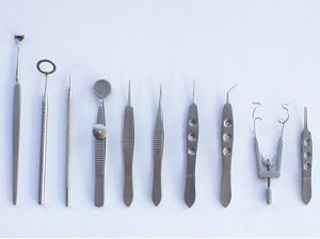
Plastic Surgery Instruments
Plastic surgery instruments are highly specialized for reconstructive and aesthetic purposes. They require a high degree of precision and must handle both hard and soft tissues. These instruments vary based on the specific surgical technique being used, but some of the critical instruments include:
– Skin graft knives and dermatome blades: These are used for harvesting skin in reconstructive surgeries.
– Tissue expanders: These are placed under the skin to stretch the area gradually before reconstructive surgery.
– Bone-cutting forceps: Designed for procedures involving the bones, such as facial reconstruction.
– Facelift scissors: Fine scissors are specifically used to cut tissue during facelift surgeries.
– Zygomatic elevators help reposition cheekbones or other facial bones during reconstructive surgery.
How Cosmetic Surgery Instruments Impact Surgical Outcomes
Cosmetic surgery demands precision, and each instrument plays a unique role in the operation’s success. For instance, the right scalpel can distinguish between a fine, barely visible scar and a more noticeable scar. Suction devices ensure the surgical field remains clear, enabling the surgeon to work more accurately.
Using advanced cosmetic surgery instruments reduces the risk of tissue damage and promotes faster recovery times. Instruments like forceps and retractors minimize trauma to surrounding tissues, which is especially critical in facial surgeries where cosmetic outcomes are paramount.
Sterilization and Maintenance of Cosmetic Surgery Instruments
Given their importance in delicate operations, the sterilization and maintenance of cosmetic surgery instruments cannot be overstated. Proper sterilization prevents infections, while regular maintenance ensures that instruments remain sharp and functional. Standard sterilization methods include autoclaving, dry heat, and chemical sterilization.
Innovations in Cosmetic Surgery Instruments
The constant evolution of cosmetic surgery demands that the instruments used evolve. Innovations in this field include the development of laser scalpels, which allow for more precise cutting and reduce tissue trauma. Ultrasonic aspirators are another advancement that helps liposuction by liquefying fat before removal, leading to more efficient fat extraction.
Minimally invasive techniques, such as endoscopic surgery, have also introduced a range of new instruments, including tiny cameras and micro-instruments. These tools reduce the need for large incisions, improving recovery times and reducing scarring.
Conclusion
Cosmetic surgery is built on the foundation of precision, and the instruments used are the backbone of successful procedures. Each tool plays a critical role in delivering high-quality outcomes for patients, from scalpels and forceps to advanced suction devices and specialized ENT instruments. As technology continues to evolve, so will the instruments, enabling surgeons to push the boundaries of what’s possible in cosmetic and reconstructive surgery. Proper use, sterilization, and maintenance of these instruments will continue to be essential in ensuring patient safety and the aesthetic results that patients seek.


