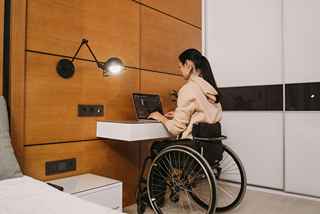
For individuals living with disabilities, navigating the healthcare system can present unique challenges. Creating an accessible and comfortable environment within healthcare facilities is paramount to promote patient well-being, dignity, and a smooth recovery process. This article delves into key strategies for ensuring an easy life for disabled patients, focusing on bed mobility assistance and wheelchair, while exploring additional considerations for fostering independence.
The Importance of Accessibility:
People with disabilities represent a significant portion of the healthcare population. According to the World Health Organization (WHO), roughly 1 billion people globally experience some form of disability [1]. In the United States alone, the Centers for Disease Control and Prevention (CDC) reports that one in four adults has a disability [2]. This highlights the critical need for healthcare facilities to prioritize accessibility, allowing individuals with disabilities to navigate the environment freely and participate in their own care as much as possible.
There are numerous benefits to creating an accessible healthcare setting. Improved patient outcomes, increased patient satisfaction, and a more inclusive environment are just a few. Furthermore, accessibility is not only an ethical imperative but also a legal requirement in many countries. Laws like the Americans with Disabilities Act (ADA) in the U.S. mandate that public spaces, including healthcare facilities, be accessible to individuals with disabilities [3].
Enhancing Bed Mobility: The Foundation of Comfort and Independence
The bed is arguably the most crucial element in a patient’s room, impacting their comfort, well-being, and ability to perform daily activities. For disabled patients, ensuring easy bed mobility is essential. Here are a few key ways to achieve this:
Electric Adjustable Beds: Investing in electric adjustable beds allows patients to effortlessly raise the head and foot sections of the bed with the push of a button. This promotes a variety of benefits:
-
- Improved Circulation: Elevating the legs can help reduce swelling and improve blood circulation, particularly beneficial for patients with circulatory issues.
- Enhanced Comfort: Adjustable beds allow patients to find a comfortable position for activities like eating, reading, watching television, or simply resting.
- Easing Transfers: Raising the bed closer to wheelchair seat height facilitates safer and more effortless transfers between the bed and wheelchair.
Transfer Aids: Providing a variety of transfer aids empowers patients to maintain some level of independence while ensuring safety during transfers. These aids include:
-
- Slide Sheets: These low-friction sheets help patients move laterally across the bed surface with minimal assistance from caregivers.
- Transfer Boards: A rigid board placed between the bed and wheelchair allows patients to safely transfer with the help of a caregiver.
- Mechanical Lifts: For patients with limited mobility, mechanical lifts provide a safe and efficient way to transfer them between the bed, wheelchair, and other surfaces.
Grab Bars: Strategically placed grab bars offer vital support for patients who need extra assistance with getting in and out of bed. These bars should be securely mounted on both sides of the bed, ideally extending past the mattress for ease of grasping. Consider installing additional grab bars near the toilet for added support during bathroom activities.
Optimizing Wheelchair Accessibility: Freedom of Movement Throughout the Facility
For wheelchair users, having a facility that caters to their mobility needs is critical. Here are some essential aspects of creating a wheelchair-friendly environment:
-
Ramp Placement: All doorways and changes in elevation should be equipped with properly angled wheelchair ramps. The ideal ramp slope depends on regulations and varies by location. Generally, a 1:12 incline is considered the maximum for comfortable and safe use [4]. Ramps should also have:
- Non-Slip Surface: A textured surface ensures safe navigation even in wet conditions.
- Handrails: Handrails on both sides of the ramp provide additional stability and support.
- Clear Signage: Signage clearly marking the presence of ramps is essential for visually impaired individuals.
-
Wide Doorways: Standard doorways may not accommodate wheelchairs comfortably. Widen doorways throughout the facility to allow for smooth maneuvering. This will not only benefit wheelchair users but also anyone with walkers or other mobility aids. Consider installing automatic door openers at high-traffic areas to further enhance accessibility.
-
Accessible Bathrooms: Bathrooms are often potential obstacles for wheelchair users. Modifying bathrooms with the following features creates a more inclusive space:
- Grab Bars: Install grab bars next to the toilet, shower stall, and sink for additional support.
- Lowered Sinks: Sinks with a lower countertop height allow for easier access from a wheelchair.
- Accessible Shower Stalls: A roll-in shower stall with a built-in seat and hand-held showerhead eliminates the need to climb over a bathtub ledge, promoting safety and independence.
Additional Considerations for a Truly Inclusive Environment
While bed mobility assistance and wheelchair are crucial, a comprehensive approach to accessibility encompasses several other considerations:
-
Clear Pathways: Maintain clear and unobstructed pathways throughout the facility, including hallways, waiting areas, and patient rooms. This allows for easy navigation not just for wheelchairs but also for walkers, crutches, or those with visual impairments.
-
Signage: Signage plays a vital role in wayfinding within a healthcare facility. Use clear, concise signage with large fonts and contrasting colors for better visibility. Additionally, consider incorporating braille lettering or pictograms for visually impaired patients.
-
Staff Training: Staff members play a pivotal role in ensuring a positive experience for disabled patients. Providing training on proper techniques for assisting with transfers, mobility, and daily activities empowers staff to deliver exceptional care while respecting patient dignity and independence. Training should cover:
- Transfer Techniques: Staff should be trained on safe and efficient methods for transferring patients using transfer aids or mechanical lifts.
- Communication: Effective communication that is respectful, patient, and acknowledges the patient’s needs is essential.
- Disability Awareness: Raising staff awareness about different disabilities and their specific needs allows for more tailored care and support.
-
Accessible Communication: Healthcare facilities should strive to provide accessible communication options for patients with hearing or visual impairments. This may include:
- Assistive Listening Devices: Offering assistive listening devices during consultations or group sessions ensures patients with hearing impairments can actively participate.
- Sign Language Interpreters: Having access to sign language interpreters caters to the needs of deaf or hard-of-hearing patients.
- Accessible Documents: Providing important documents like patient information sheets or discharge instructions in alternative formats, such as large print or audio recordings, benefits patients with visual impairments.
-
Lighting: Adequate and adjustable lighting is essential throughout the facility. Avoid overly bright or flickering lights that can cause discomfort, particularly for patients with visual impairments.
-
Parking: Designate accessible parking spaces close to building entrances. These spaces should be well-marked and have ample space for maneuvering wheelchairs or transferring to and from vehicles.
Conclusion: Building a Culture of Accessibility
Creating an accessible healthcare environment is an ongoing process. By implementing the strategies outlined above and fostering a culture of patient-centered care, healthcare facilities can empower disabled patients to navigate the environment freely, participate in their own care as much as possible, and experience a more dignified and comfortable healthcare journey. Remember, accessibility is not just about meeting regulations; it’s about creating a welcoming and inclusive space for all.


