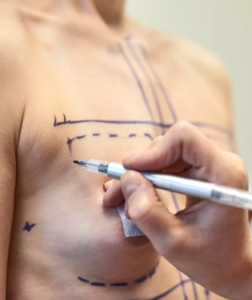
For many men, enlarged breast tissue can be more than a visible concern. It may affect clothing choices, body confidence, posture, physical comfort, and everyday social interactions. Gyno Surgery Dubai can address the underlying excess tissue responsible for a fuller chest while also supporting a more balanced masculine chest contour. The procedure is therefore often considered a combination of physical correction and aesthetic refinement rather than a treatment focused only on appearance.
Understanding Male Breast Enlargement
Male breast enlargement can develop when glandular breast tissue, excess fatty tissue, or a combination of both creates additional fullness around the chest. The condition can occur at different stages of life and may have different tissue patterns from one person to another.
The appearance can range from a small area beneath the nipple to more noticeable fullness extending across the chest. Understanding the type and distribution of tissue is important because the surgical approach depends on the physical characteristics of the chest.
Why It Is More Than an Aesthetic Procedure
Aesthetic improvement is one part of the process, but male breast surgery can have broader personal significance. A prominent chest may make some men feel uncomfortable in fitted clothing or reluctant to participate in activities where the chest is visible.
Correcting excess tissue can help create a flatter and more proportionate chest contour. This physical change may also make clothing sit differently and allow the individual to feel more comfortable with the overall appearance of the upper body.
The procedure should not be viewed as a simple cosmetic adjustment. It addresses a physical tissue concern while aiming to create a natural relationship between the chest, shoulders, abdomen, and upper body.
The Two Main Surgical Approaches
Two commonly used approaches are liposuction and surgical excision. The appropriate technique depends on whether the chest fullness is mainly caused by fatty tissue, firm glandular tissue, or both.
Liposuction focuses on removing excess fat through small access points. It can be particularly useful when soft fatty tissue contributes substantially to chest fullness. By reducing the unwanted fat, the chest can appear flatter and more defined.
Excision focuses on removing firm glandular breast tissue that cannot be adequately addressed through fat removal alone. This approach may involve carefully removing tissue from beneath or around the nipple area to achieve a flatter contour.
In some cases, both techniques are used together. Liposuction can reduce surrounding fatty tissue, while excision can address dense glandular tissue. Combining the approaches can help produce a smoother transition between the treated area and the surrounding chest.
When Liposuction May Be Considered
Liposuction may be considered when excess fatty tissue is a significant contributor to chest enlargement. It is designed to reduce localized fat rather than remove firm glandular tissue.
The treatment can help improve chest proportions by reducing fullness across the targeted area. The extent of fat removal depends on the existing anatomy and the desired contour.
A suitable assessment is important because treating the wrong type of tissue with liposuction alone may not provide the intended correction.
When Excision May Be Needed
Excision may be appropriate when firm glandular tissue creates a noticeable area of fullness, particularly around the nipple. Glandular tissue has a different consistency from ordinary fat, making direct removal necessary in cases where it contributes significantly to the chest appearance.
The objective is to remove the unwanted tissue while maintaining a natural-looking chest contour. Careful tissue management is important because excessive removal can affect the relationship between the nipple and surrounding chest area.
When Both Techniques Are Used
Some chest contours contain both fatty and glandular tissue. In these situations, using only one technique may not address the entire concern.
A combined approach can treat the different tissue types during the same surgical plan. Liposuction can refine the surrounding fatty areas, while excision can address firmer tissue that remains beneath the skin.
This combined treatment can be particularly useful when the goal is a flatter, smoother, and more proportionate chest rather than simply reducing one isolated area.
How the Treatment Process Is Planned
The process begins with an assessment of the chest structure and the type of tissue contributing to enlargement. The overall shape, skin characteristics, nipple position, and distribution of tissue are considered when developing the treatment plan.
The surgical approach is then selected according to the individual’s anatomy. Some cases may require liposuction, some may require excision, and others may benefit from a combination of both.
The planned technique is intended to create a balanced contour rather than an artificially flat appearance. Proportion remains an important part of the surgical objective.
How the Procedure Can Affect Body Proportion
The chest plays an important role in the visual balance of the upper body. Excess fullness can make the chest appear disproportionate in relation to the shoulders and abdomen.
Reducing unwanted tissue can improve the relationship between these areas. A more controlled chest contour may make the upper body appear more structured without changing the natural characteristics of the individual’s physique.
The goal is not simply to remove as much tissue as possible. Instead, appropriate tissue reduction and contouring are used to support a balanced appearance.
Physical Comfort and Everyday Confidence
The effects of enlarged male breast tissue can extend into everyday experiences. Some individuals may feel uncomfortable when wearing tight shirts, exercising, swimming, or participating in activities where the chest is more noticeable.
Addressing the physical fullness may make these situations feel easier to manage. Changes in clothing fit and body awareness can also contribute to a more comfortable daily experience.
Confidence is personal, so results can vary considerably between individuals. The physical correction may support greater comfort, but emotional expectations should remain realistic.
Recovery and Returning to Routine
Recovery varies according to the surgical technique, amount of tissue treated, and individual healing response. Temporary swelling, tightness, or changes in sensation can occur during the normal healing period.
Activity is generally resumed gradually according to professional guidance. Strenuous exercise and demanding upper-body movements may need to be limited initially while the tissues settle.
The final chest contour develops progressively rather than immediately. Patience during the healing period allows the treated tissues to stabilize and the appearance to become clearer.
What Makes the Result Look Natural
A natural result depends on proportion, tissue management, and attention to the existing chest anatomy. Removing excessive tissue is not necessarily the goal because the chest still needs appropriate structure and contour.
The nipple and surrounding area should remain visually integrated with the rest of the chest. Smooth transitions between treated and untreated areas can also contribute to a more natural appearance.
Individual anatomy remains central to the outcome, which is why treatment planning should be personalized rather than based on a single standard approach.
Frequently Asked Questions
Is Male Breast Surgery Only for Appearance?
No. The procedure can address excess fatty or glandular breast tissue while also improving chest contour. Its purpose can therefore involve both physical correction and aesthetic refinement.
Can Liposuction and Excision Be Performed Together?
Yes. When both fatty and glandular tissue contribute to enlargement, the two approaches may be combined as part of one treatment plan.
Does Liposuction Remove Glandular Tissue?
Liposuction primarily targets fatty tissue. Firm glandular tissue generally requires an excision-based approach when it is a significant contributor to chest enlargement.
Why Is Tissue Type Important?
Different tissue types respond to different surgical techniques. Identifying whether fullness comes mainly from fat, glandular tissue, or both helps determine the most suitable approach.
When Does the Chest Shape Become Clearer?
The chest gradually settles during healing. Swelling and tissue changes can temporarily affect the appearance, so the developing contour is assessed over time rather than immediately after treatment.
Can the Procedure Improve Clothing Fit?
Reducing excess chest fullness may allow shirts and other garments to sit more smoothly against the upper body. The degree of change depends on the original chest shape and the amount of tissue involved.
Conclusion
Gyno Surgery Dubai is more than a cosmetic procedure because it can address the physical presence of excess male breast tissue while helping create a flatter, more proportionate chest. Whether the treatment involves liposuction, excision, or both techniques, the focus is on addressing the underlying tissue and shaping the chest according to individual anatomy. By combining physical correction with thoughtful contouring, the procedure can support improved body proportions, clothing comfort, and personal confidence while maintaining realistic expectations about the healing process and final appearance.


