
Human Resource training plays an important role in helping employees develop their knowledge, improve their abilities, and perform their responsibilities more effectively. In today’s competitive business environment, organizations need skilled employees who can adapt to new technologies, solve problems, and meet changing customer expectations. Providing regular training helps businesses strengthen workforce capabilities, improve productivity, and support professional growth. When companies invest in employee development, they can build stronger teams and create a workplace that encourages continuous learning.
What Is Human Resource Training?
Human Resource training refers to organized learning activities that help employees improve the skills and knowledge required for their jobs. It can include onboarding programs, technical training, communication workshops, leadership development, and professional courses.
HR departments identify employee learning needs and arrange suitable training opportunities based on business objectives and individual responsibilities. For example, a customer service team may receive communication training, while employees in technical roles may need instruction on new software or equipment.
Effective training focuses on practical learning and measurable improvement. It helps employees understand workplace expectations, perform tasks confidently, and prepare for future responsibilities.
How Does Human Resource Training Improve Employee Skills?
1. Develops Job-Specific Knowledge
One of the main benefits of Human Resource training is that it helps employees gain the knowledge required to perform their jobs successfully. Employees who understand their responsibilities and have the right technical skills can complete tasks more accurately and efficiently.
For example, accounting employees may benefit from training in financial software, while marketing teams may need to learn about digital advertising tools and analytics.
Job-specific training reduces confusion, minimizes avoidable mistakes, and helps employees follow established procedures. It also ensures that workers understand changes in company policies, industry standards, and working methods.
As employees become more knowledgeable, they can contribute more effectively to their teams and organizational objectives.
2. Improves Communication and Teamwork
Communication is essential for successful collaboration in the workplace. Employees must be able to share information clearly, listen to others, manage disagreements, and work toward common goals.
Human Resource training can include workshops on interpersonal communication, conflict resolution, teamwork, and professional behavior. These activities help employees understand different perspectives and communicate more effectively with colleagues and managers.
For example, a team that receives conflict management training may learn how to address disagreements constructively instead of allowing misunderstandings to affect productivity.
Improved communication creates a more supportive working environment, strengthens relationships, and helps teams complete projects with fewer delays.
3. Increases Employee Productivity
Well-trained employees often perform their duties more efficiently because they understand the correct processes and know how to use available resources. Training can help workers organize tasks, manage time, and solve common workplace problems.
Organizations can provide training on productivity tools, workflow management, customer service procedures, and role-specific techniques.
For instance, teaching employees how to use project management software can help them track deadlines, organize responsibilities, and coordinate work with colleagues.
Training should focus on the actual challenges employees face in their roles. When learning is relevant and practical, workers can apply new knowledge directly to their daily tasks and improve their performance over time.
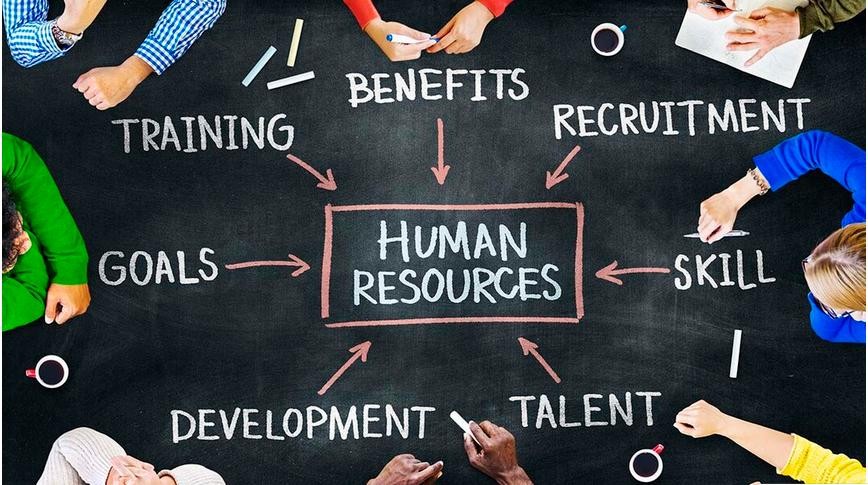
4. Builds Confidence and Motivation
Employees who receive appropriate training may feel more confident when handling responsibilities and facing new challenges. Learning new skills helps them understand their capabilities and recognize opportunities for improvement.
Training also demonstrates that an organization values employee development. When workers see that their employer is willing to invest in their growth, they may feel more motivated to contribute to the company’s success.
For example, presentation training can help employees communicate ideas confidently during meetings, while leadership training can prepare experienced workers for supervisory positions.
Greater confidence can encourage employees to take initiative, share ideas, and accept new responsibilities. However, training works best when employees also receive constructive feedback and ongoing support from managers.
5. Prepares Employees for New Technologies
Technology continues to change how businesses operate. Employees may need to learn new software, automated systems, digital communication tools, and data management processes to remain effective in their roles.
Human Resource teams can identify technology-related skill gaps and arrange suitable learning programs before introducing major workplace changes.
For example, employees may receive training on customer relationship management software or digital reporting systems before these tools become part of their daily responsibilities.
Providing timely training reduces confusion and helps employees adapt more comfortably to new processes. It also enables organizations to make better use of their technology investments while maintaining an adaptable workforce.
6. Supports Career Growth and Leadership Development
Employee training can prepare workers for promotions, additional responsibilities, and long-term career opportunities. Businesses benefit when employees can develop the skills needed for more advanced roles.
HR departments can create development plans that include mentoring, leadership workshops, professional certifications, and practical assignments.
For example, an employee interested in becoming a team leader may benefit from training in decision-making, delegation, performance management, and problem-solving.
These opportunities help organizations develop internal talent instead of relying entirely on external recruitment. Employees also gain a clearer understanding of their career paths, which can support engagement and retention.
How Can Businesses Make Human Resource Training Effective?
To achieve meaningful results, businesses should plan training around specific employee and organizational needs.
Identify skill gaps: Review performance evaluations, employee feedback, and manager observations to determine which skills need improvement.
Set clear objectives: Establish what employees should learn and how the new knowledge will improve their work.
Choose suitable training methods: Use workshops, online courses, demonstrations, mentoring, and practical exercises according to the subject and employees’ learning needs.
Encourage practical application: Give employees opportunities to use their new skills through real tasks, projects, or supervised practice.
Measure training results: Compare performance before and after training, gather employee feedback, and assess whether the learning objectives have been achieved.
Regular follow-up helps organizations determine which programs are useful and where additional support may be necessary.
How to Measure the Success of Employee Training
Businesses should evaluate training programs to ensure they provide value. Useful indicators include improvements in work quality, task completion time, customer satisfaction, error rates, and employee performance.
HR teams can also use assessments, employee surveys, and manager feedback to understand how well workers have applied their learning.
For example, if customer service training is intended to improve customer interactions, a company can review customer feedback and service quality after the program.
Not every improvement happens immediately. Some skills require repeated practice and ongoing guidance. Reviewing results over time helps organizations make informed decisions about future training investments.
Conclusion
Human Resource training can significantly improve employee skills by developing job-specific knowledge, strengthening communication, increasing productivity, and preparing workers for new technologies. It also supports employee confidence, career advancement, and leadership development.
For the best results, businesses should identify skill gaps, establish clear learning objectives, provide practical training, and measure performance improvements. By making employee development an ongoing priority, organizations can build a more capable workforce, improve team performance, and support long-term business success.


