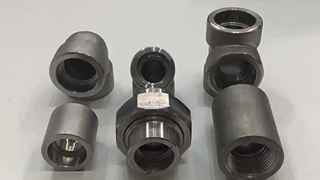
Stainless steel forged fittings are renowned for their exceptional durability, corrosion resistance, and reliability in industrial and commercial applications. These fittings are vital for maintaining secure and leak-proof connections in piping systems, particularly in industries such as oil and gas, chemical processing, and power generation. While stainless steel forged fittings are designed to withstand harsh conditions, regular maintenance is essential to ensure longevity and optimal performance.
In this blog, we’ll explore practical maintenance tips to help you extend the life of your stainless steel forged fittings and ensure their continued efficiency and durability.
Understanding Stainless Steel Forged Fittings
Stainless steel forged fittings are components manufactured through a forging process that enhances their mechanical strength and resistance to stress. Available in various types, such as elbows, tees, reducers, and couplings, these fittings are widely used in piping systems to connect, redirect, or terminate fluid flow.
Their advantages include:
- High Strength: Forging refines the steel’s grain structure, increasing its toughness.
- Corrosion Resistance: Stainless steel’s natural resistance to rust and corrosion makes it ideal for harsh environments.
- Temperature Tolerance: These fittings perform well under extreme temperatures, maintaining their structural integrity.
Despite these benefits, proper maintenance is key to maximizing their lifespan.
Maintenance Tips for Stainless Steel Forged Fittings
- Regular Cleaning
Dust, dirt, and corrosive substances can accumulate on stainless steel surfaces, leading to discolouration and potential damage over time.
-
- Use a soft cloth and warm, soapy water for routine cleaning.
- Avoid abrasive cleaners, which can scratch the surface.
- For stubborn stains, apply a mixture of baking soda and water, then rinse thoroughly.
- Inspect for Signs of Wear and Tear
Periodically check the fittings for cracks, leaks, or deformation, especially in high-pressure or high-temperature systems.
-
- Inspect the seals and threads for damage.
- Replace worn or damaged components immediately to prevent system failures.
- Prevent Corrosion
Although stainless steel is resistant to rust, exposure to harsh chemicals, saltwater, or acidic environments can compromise its protective oxide layer.
-
- Apply a protective coating or corrosion inhibitor in aggressive environments.
- Avoid prolonged contact with chlorides, which can cause pitting corrosion.
- Monitor Temperature and Pressure
Operating beyond recommended pressure and temperature limits can strain the fittings, reducing lifespan.
-
- Use gauges to monitor system parameters.
- Ensure fittings are rated for the intended application to avoid overloading.
- Lubricate Threads and Joints
Proper lubrication reduces friction and prevents galling, a common issue with stainless steel threaded fittings.
-
- Use a high-quality anti-seize compound compatible with stainless steel.
- Reapply lubrication during routine maintenance.
- Avoid Cross-Metal Contamination
Contact with carbon steel tools or surfaces can transfer iron particles, causing surface rust.
-
- Use stainless steel or plastic tools when handling the fittings.
- Clean tools thoroughly before use.
- Follow Manufacturer Guidelines
Manufacturers provide specific recommendations for the care and use of their fittings.
-
- Adhere to installation and maintenance instructions.
- Keep records of maintenance schedules and perform tasks for reference.
- Employ Proper Installation Techniques
Improper installation can lead to stress fractures, leaks, or joint failure.
-
- Ensure pipes and fittings are properly aligned to prevent undue stress.
- Use the correct torque settings when tightening fittings to avoid over-tightening.
Common Mistakes to Avoid
- Neglecting Maintenance: Delayed maintenance increases the risk of damage and system failure. Establish a routine maintenance schedule.
- Using Harsh Chemicals: Avoid using bleach or other harsh chemicals that can damage stainless steel.
- Improper Handling: Dropping or mishandling fittings during installation can cause dents or scratches.
Benefits of Proper Maintenance
- Extended Lifespan: Regular upkeep prevents premature wear and reduces the need for replacements.
- Enhanced Performance: Well-maintained fittings ensure a tight seal and efficient fluid flow.
- Cost Savings: Preventative maintenance minimizes repair costs and downtime.
- Safety Assurance: Maintaining fittings reduces the risk of leaks, bursts, or other hazards in high-pressure systems.
Conclusion
Maintaining the durability and performance of stainless steel forged fittings requires a proactive approach to cleaning, inspection, and proper handling. By adhering to these maintenance tips, industries can ensure their piping systems operate efficiently and reliably, even in challenging environments. Remember, choosing high-quality fittings and following manufacturer recommendations are equally important in maximizing the value of these critical components.
Investing time and effort in maintenance extends the lifespan of your fittings. It enhances the overall safety and efficiency of your operations. A well-maintained system is a cornerstone of successful industrial processes.


