

For most owners, a fit-out is a journey with several distinct stages. Knowing what happens at each stage makes the process far less stressful. This article follows a project from the first idea to the day the keys change hands, using the way Aimaura, a design and build studio in Dubai, describes its own approach to turnkey design in Dubai.
Stage One: The Conversation
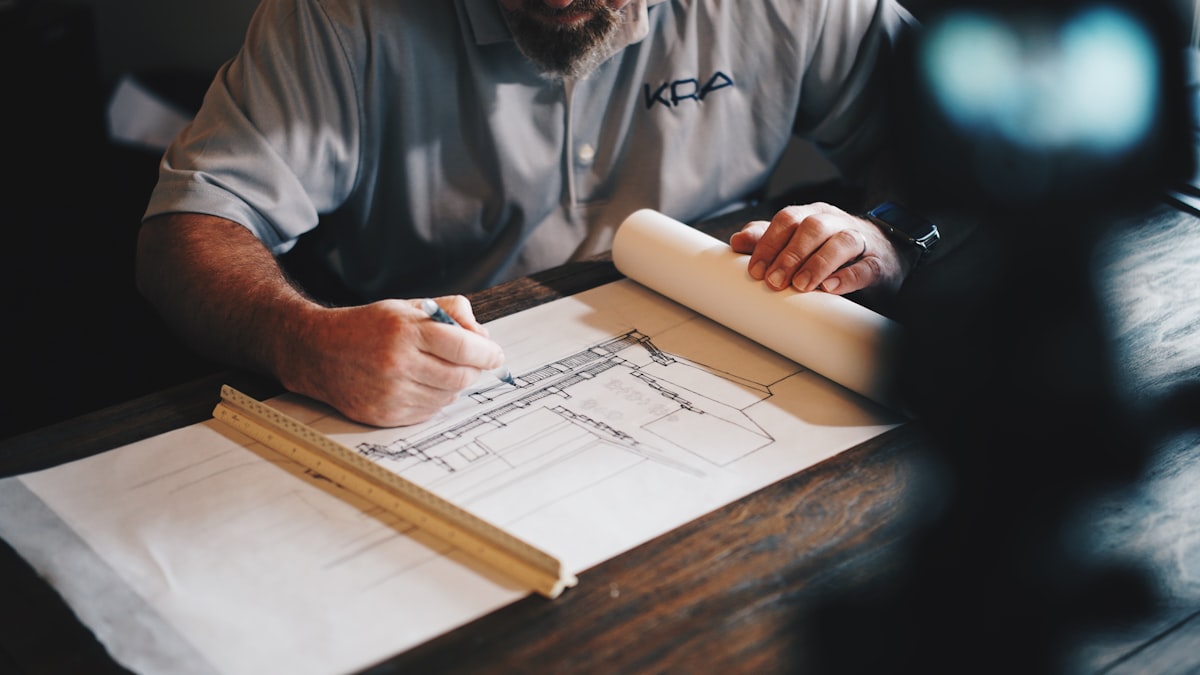
Every project starts with a discussion rather than a drawing. The team asks about the place you have, or the one you imagine, and how you want to live in it. Where does morning light land? Where do long dinners happen? Where does the day wind down? These questions shape everything that follows.
At this point, ask the studio to explain how it would design and build your space. A clear answer shows that the team has a process. It also tells you whether design and construction will sit with one firm or two.
Stage Two: Concept and Materials
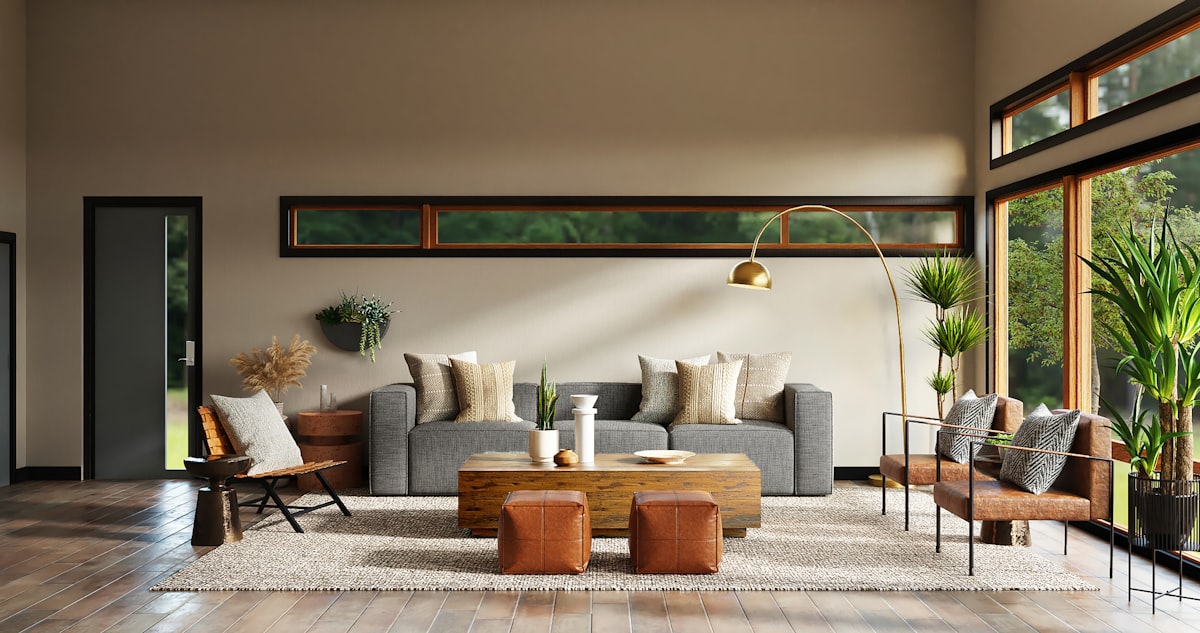
Once the brief is clear, the design takes shape. Good interior design in Dubai brings together concept, materials, colour and lighting. Aimaura’s service includes material, colour and lighting palettes, as well as custom furniture and joinery design. These choices set the character of the finished space long before any work starts on site.
This is the right moment to ask about costs and scheduling. Transparent costing means you can see how each decision affects the budget. A written schedule shows the order of work and the points at which you will be asked to approve something.
Stage Three: Approvals and Structure
Next come the less glamorous steps. Authority approvals must be in place before major work can begin, and Aimaura manages approvals across the UAE as part of its turnkey service. For villas, this stage can also include construction or extension. Aimaura lists villa construction and extension within its turnkey scope.
Because one team handles both design and build, the people who drew the plans are the same people who see them through approval. That continuity helps prevent misunderstandings between the drawing and the site.
Stage Four: Building and Fitting Out
With approvals secured, the build moves forward. According to Aimaura, the sequence covers structure, MEP, finishes, joinery and furniture, all the way to the last door handle. One team sequences these trades, which keeps the work to one schedule and one budget.
Joinery and finishes are where a space begins to feel like a home or a workplace. When the same team that designed the joinery also installs it, details such as proportions and materials stay true to the drawing. The finished room matches the drawing that promised it.
Stage Five: Snagging and Handover
Before you take the keys, the space should be inspected carefully. Snagging is the process of finding and fixing small defects, such as a misaligned door or an uneven finish. Aimaura includes snagging and handover in its turnkey process, so the same team that built the space also corrects it.
Handover is the moment the project becomes yours. A good studio walks you through the finished space, explains how everything works and answers your questions. It is a chance to confirm that the result matches what you agreed.
Stage Six: Aftercare
A project does not truly end on handover day. Small issues can appear in the weeks that follow, and it helps to know who will respond. Aftercare is part of Aimaura’s offering, which means the owner has a clear contact when something needs attention.
What to Take Away
Each step builds on the last, so skipping one usually causes problems later. Take your time at the early stages, because decisions made there carry through to every later stage of the project.
Seen as a sequence, a fit-out is easier to plan. Begin with a conversation, agree the concept, secure approvals, build with one accountable team, inspect carefully and plan for aftercare. If you want to see how this works in practice, read the studio’s page on turnkey design in Dubai or explore its approach to interior design in Dubai before you book a consultation.