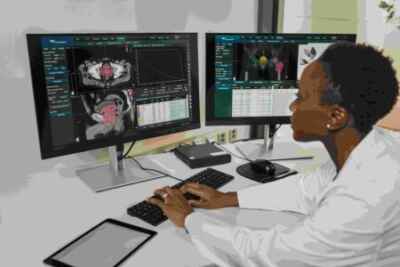
Technology has changed the way healthcare practices handle many everyday tasks. Electronic health records, online communication, automated eligibility checks, electronic claims, and financial reporting tools have all become important parts of modern practice management.
Medical billing has changed along with them.
For pain management practices, technology can be especially helpful because billing often involves multiple procedures, insurance requirements, prior authorizations, documentation, coding, and ongoing claim follow-up.
The right technology can reduce repetitive administrative work, make information easier to track, and give practice managers a clearer view of their financial performance.
But there is an important point to remember: technology works best when it supports good processes and experienced people. A billing system can automate tasks, but it cannot replace professional judgment in every situation.
So, how is technology changing pain management billing?
1. Making Insurance Eligibility Verification Easier
Insurance verification is one of the first steps in the revenue cycle, and getting it right can prevent problems later.
In a traditional workflow, staff may have spent considerable time checking insurance information manually. Modern billing systems can streamline or automate parts of this process.
Depending on the system, eligibility tools may help staff review information such as:
- Active insurance coverage
- Deductible status
- Copayment or coinsurance
- Patient responsibility
- Coverage limitations
- Authorization requirements
Checking coverage before treatment gives the practice an opportunity to identify potential issues before a claim is submitted.
2. Speeding Up Electronic Claims Submission
Electronic claims have made the submission process much more efficient than older paper-based workflows.
Instead of preparing and mailing individual claims, billing information can be transmitted electronically through appropriate clearinghouses or payer systems.
This reduces manual handling and can make it easier for staff to monitor claims after submission.
For a busy pain management practice, a consistent electronic claims process can help keep the revenue cycle moving and reduce unnecessary administrative delays.
Of course, electronic submission does not guarantee payment. Claims still need accurate coding, appropriate documentation, and compliance with payer requirements.
3. Using Automated Claim Scrubbing
Nobody wants a preventable error to be discovered only after a claim has already reached the payer.
Claim-scrubbing technology can provide an additional review before submission. Depending on the system, it may identify certain missing information, coding inconsistencies, or other potential claim issues.
This can give billing teams an opportunity to correct problems before the claim is transmitted.
However, automated claim scrubbing has limitations. It cannot identify every possible billing issue, which is why experienced human review remains important for complicated or unusual claims.
4. Making Denial Management More Organized
Claim denials can quickly become time-consuming when they are not tracked properly.
Modern billing systems can help practices organize denied claims and categorize the reasons behind them.
For example, a practice may be able to determine whether denials are related to:
- Coding errors
- Insurance eligibility
- Prior authorization
- Documentation
- Medical necessity
- Timely filing
- Duplicate claims
Once this information is organized, managers can look for patterns.
If the same type of denial keeps occurring, the problem may not be with individual claims. It could indicate that a particular part of the billing workflow needs to be improved.
5. Improving Accounts Receivable Management
Accounts receivable can become difficult to manage when billing teams do not have clear and timely information.
Billing technology can organize outstanding balances according to factors such as claim age, payer, claim status, and patient responsibility.
This allows staff to determine which accounts need attention and prioritize their follow-up.
For example, older unpaid claims may require closer monitoring because filing deadlines or other payer requirements could affect the practice’s ability to recover the balance.
Regular AR reporting can help prevent outstanding claims from simply sitting in the system without action.
6. Getting Better Financial Reports
Practice managers need reliable information to understand how the revenue cycle is performing.
Modern billing platforms can provide reports and dashboards covering a range of financial and operational metrics.
Depending on the system, these may include:
- Total accounts receivable
- Days in AR
- Claim denial rate
- Collection rate
- Payment trends
- Claim volume
- Outstanding balances
- Payer performance
Instead of waiting for a monthly report or manually compiling information, managers may be able to access useful data more quickly.
This can make it easier to identify changes and investigate potential problems before they become larger issues.
7. Keeping Better Track of Prior Authorizations
Prior authorization can be an important part of Plastic Surgery Billing Services.
When authorization is required, staff need to know what was approved, when it was approved, and how long that approval remains valid.
Technology can help centralize this information and make important dates easier to monitor.
Depending on the system, staff may be able to track:
- Authorization numbers
- Approved procedures
- Effective dates
- Expiration dates
- Number of approved services or units
Having this information in one place can reduce the risk of an authorization being overlooked.
8. Improving Communication Between Teams
Medical billing rarely involves just one department.
Clinical staff, front-office employees, coders, billers, and practice managers may all contribute information at different points in the revenue cycle.
Integrated systems can make it easier for authorized employees to access relevant information and communicate about potential billing issues.
For example, if a billing professional notices that documentation is incomplete, the issue can be directed to the appropriate team instead of remaining unresolved until the payer requests additional information.
Better communication can help reduce unnecessary delays and rework.
9. Supporting Remote Billing Teams
Cloud-based technology has also changed where billing work can be performed.
Depending on the system and appropriate security controls, authorized billing professionals may be able to access necessary information without working inside the physical practice.
This can be particularly useful for practices that work with outside billing professionals.
Specialized Pain Management Billing Services can use technology to support tasks such as claims submission, denial follow-up, payment posting, reporting, and accounts receivable management while maintaining communication with the practice.
10. Making Patient Billing Communication More Convenient
Technology is also changing the way practices communicate financial information with patients.
Online statements, electronic notifications, digital payment options, and patient portals can make it easier for patients to understand and manage their financial responsibilities.
For example, a patient may be able to view a statement online instead of waiting for a paper bill.
Convenient communication can reduce confusion and make it easier for patients to address balances or billing questions.
At the same time, practices need to make sure that financial communication systems are implemented with appropriate privacy and security safeguards.
11. Protecting Patient and Financial Information
Greater reliance on technology comes with greater responsibility.
Medical billing systems can contain sensitive patient, insurance, and financial information. Practices need appropriate safeguards to protect this information and limit access to authorized individuals.
Security measures may include:
- User access controls
- Strong authentication
- Employee training
- Secure system configurations
- Regular security reviews
- Appropriate data protection procedures
Technology should make billing more efficient without compromising the privacy and security of patient information.
12. Why Human Expertise Still Matters
It can be tempting to assume that automation can handle the entire billing process. In reality, some situations still require experienced professionals.
A complicated denial, unusual payer request, documentation question, coding issue, or appeal may require someone to review the details and decide what action makes sense.
Technology can organize information and automate routine tasks, but professional judgment remains valuable.
The most effective billing operations often combine automated tools with human oversight.
13. Choosing Technology That Fits the Practice
There is no need for a pain management practice to choose a billing system simply because it has the most features.
The better question is whether the technology solves the problems the practice actually faces.
Before choosing a system, practices may want to consider:
- Compatibility with existing software
- Ease of use
- Reporting capabilities
- Automation features
- Data security
- Scalability
- Customer support
- Integration options
- Staff training requirements
- Overall cost
A practical system that staff can use effectively may be more useful than a complicated platform filled with features that the practice rarely needs.
How Can Practices Get More Value From Billing Technology?
Simply purchasing new software does not automatically improve a revenue cycle.
Practices should first identify where their current workflow is creating problems.
Are eligibility checks taking too long? Are claims frequently being rejected? Are authorization dates difficult to track? Are denied claims sitting without follow-up? Is management struggling to understand AR performance?
Once these problems are identified, technology can be used to address specific weaknesses.
Staff training is also important. Even a capable billing platform will not provide much value if employees do not understand how to use it properly.
Can Technology Reduce Billing Errors?
Technology can reduce certain types of preventable errors, particularly when automated checks are built into the billing workflow.
Eligibility verification, claim scrubbing, electronic claims, authorization tracking, and automated reporting can all reduce some forms of manual work.
However, technology cannot eliminate every billing problem.
Errors can still occur because of inaccurate documentation, changing payer requirements, incorrect information, or situations that require professional judgment.
That is why technology should be viewed as part of a complete billing strategy rather than a replacement for one.
What Does the Future Hold for Pain Management Billing?
Medical billing technology will likely continue to evolve as healthcare practices look for ways to simplify administrative work and improve financial visibility.
Automation and better data access can help billing teams spend less time on repetitive tasks and more time addressing issues that require human attention.
For pain management practices, the focus should not simply be on adopting the newest technology. It should be on finding tools that genuinely improve the revenue cycle and fit the practice’s existing workflow.
Conclusion
Technology is changing pain management billing in several ways. Automated eligibility verification, electronic claims, claim-scrubbing tools, denial tracking, authorization management, financial reporting, and digital patient communication can all make billing operations more organized and efficient.
Still, technology is only one part of the equation. Accurate documentation, appropriate coding, trained staff, effective workflows, and consistent follow-up remain essential.
Whether a practice manages its billing internally or works with specialized Pain Management Billing Services, combining technology with experienced professionals can help create a more efficient and transparent revenue cycle.
The same principles can also benefit other specialties. Practices using Plastic Surgery Billing Services, for example, can use technology to support claims management, denial tracking, payment posting, and financial reporting.
Ultimately, the goal of billing technology is not simply to automate more tasks. It is to create a smoother process in which accurate information reaches the right people at the right time, allowing practices to spend less effort on avoidable administrative problems and more attention on their core operations.


