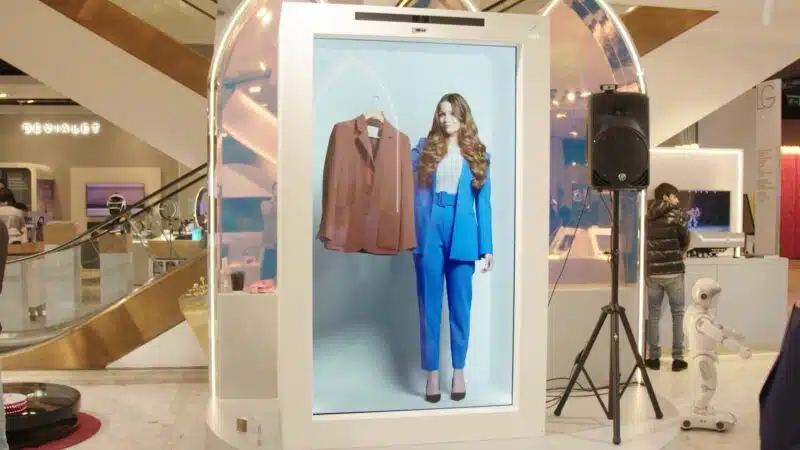
Standing out and gaining customer attention in today’s competitive retail environment is more difficult than ever. Holograms are emerging as a disruptive technology that is changing the way things are displayed, giving businesses new opportunities to attract and engage customers. From dynamic displays to immersive product demos, holograms are redefining retail presentation. In this article, we’ll look at how holograms are transforming the product showcase scene and what it means for merchants and customers.
1. Creating Stunning Visual Displays
One of the most obvious applications of holograms in retail is the potential to create eye-catching displays that entice customers. Traditional product displays frequently rely on static images or physical models, whereas holograms provide a dynamic alternative. Here’s how they create an impact:
- 3D Visualization: Holograms may project three-dimensional images that float in mid-air, allowing shoppers to see things from any angle without physically touching them. This feature is particularly beneficial for displaying sophisticated objects such as electronics or luxury goods, where detail and craftsmanship are essential.
- Interactive Features: Many holographic displays support interactive features including touch-sensitive surfaces and gesture controls. Shoppers may interact with the hologram in real time to learn about product characteristics and features, as well as see multiple color and style possibilities.
2. Enhancing Product Demonstrations
Holograms may make product demonstrations more engaging and memorable. Retailers can deliver engaging and immersive demos by using holograms instead of static product samples or movies.
- Virtual Try-Ons: In fashion retail, holograms can simulate how clothing or accessories will look on a shopper. This virtual try-on technology allows customers to see how items fit and move without needing to physically try them on, streamlining the decision-making process and reducing the need for fitting room trials.
- Product Functionality: For complex products, such as home appliances or electronics, holograms can demonstrate functionality and features in an intuitive way. For example, a hologram could show how a kitchen appliance operates or how a piece of tech integrates with other devices.
3. Offering Customization and Personalization
Holograms can also enhance the customization and personalization of products, providing a tailored experience that meets individual customer preferences:
- Custom Design Visualization: Shoppers can use holographic displays to visualize custom designs or modifications before making a purchase. For example, a customer looking to buy a piece of furniture could see how different fabrics, colors, or configurations look in a holographic preview.
- Interactive Configuration: Some retailers are using holograms to let customers configure products interactively. This is particularly valuable in industries like automotive or home decor, where buyers can see real-time changes to their customizations.
4. Bridging Online and In-Store Experiences
Holograms have the ability to bridge the gap between online and physical retail settings, providing a seamless purchasing experience.
- Virtual Showrooms: Retailers can create virtual showrooms using holograms, allowing customers to explore products in a digital space that mirrors an in-store experience. This can be especially useful for online shoppers who want to experience products in a more immersive way before visiting a physical store.
- Omnichannel Integration: Holographic technology can be integrated into omnichannel strategies, providing a consistent and engaging product presentation across both digital and physical platforms. For example, a customer who interacts with a product online could see the same holographic displays when they visit a physical store.
5. Increasing Engagement and Driving Sales
Ultimately, holograms are not just about creating impressive displays; they also play a crucial role in driving sales and increasing customer engagement:
- Captivating Attention: Holograms can capture attention more effectively than traditional displays, increasing foot traffic and time spent in-store. The novelty and interactive nature of holograms make them a compelling draw for consumers.
- Enhanced Brand Experience: By incorporating holograms, retailers can offer a unique brand experience that differentiates them from competitors. This enhanced experience can lead to higher customer satisfaction, increased loyalty, and greater word-of-mouth promotion.
Holograms are transforming the way things are displayed in retail by providing dynamic, interactive, and immersive experiences. They allow shops to present products in novel and engaging ways, improve demos, and connect the online and in-store experiences. As technology advances, we can expect holograms to play an ever larger role in creating the future of retail, generating engagement, and revolutionizing the shopping experience for customers worldwide. Whether you’re a merchant looking to innovate or a buyer looking for the most cutting-edge technology, holograms provide a tremendous leap forward in product presentation and interaction.


