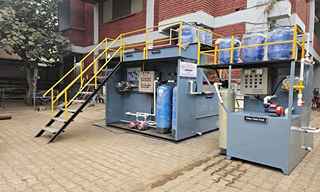
As the world continues to urbanize and industrialize, the demand for clean water and effective wastewater management has become increasingly critical. Effluent Treatment Plant (ETPs) are essential facilities that treat wastewater from industrial and commercial sources, ensuring that harmful pollutants are removed before the water is discharged into the environment. This essay will explore the importance, functioning, types, and benefits of effluent treatment plants, emphasizing their role in sustainable development and environmental protection.
Importance of Effluent Treatment Plant
Effluent Treatment Plants play a vital role in safeguarding the environment and public health. Industrial processes generate wastewater that contains various harmful contaminants, including chemicals, heavy metals, organic matter, and pathogens. If left untreated, this wastewater can cause significant damage to ecosystems, pollute water bodies, and pose serious health risks to humans and wildlife.
- Environmental Protection: Industrial effluents, if discharged untreated, can lead to the contamination of rivers, lakes, and oceans. These contaminants can harm aquatic life, disrupt ecosystems, and degrade water quality. ETPs remove these pollutants, ensuring that the treated effluent meets environmental standards before being released into natural water bodies.
- Public Health: Untreated industrial wastewater can carry harmful pathogens and chemicals that can contaminate drinking water sources, leading to waterborne diseases and other health issues. By treating wastewater before discharge, ETPs help protect public health and prevent the spread of diseases.
- Regulatory Compliance: Governments worldwide have established stringent regulations to control the discharge of industrial effluents. Compliance with these regulations is mandatory for industries to avoid legal penalties and environmental damage. ETPs enable industries to meet these regulatory requirements by treating their wastewater to acceptable levels.
- Sustainable Development: ETPs contribute to sustainable development by promoting the responsible use of water resources. They help industries reduce their environmental footprint and operate more sustainably by ensuring that wastewater is treated and reused wherever possible.
How Effluent Treatment Plants Work
Effluent Treatment Plants are designed to remove contaminants from wastewater through a series of physical, chemical, and biological processes. The treatment process typically involves several stages, each designed to target specific pollutants and achieve the desired level of treatment. The following sections outline the key stages of effluent treatment:
- Preliminary Treatment: The first stage of effluent treatment is the preliminary treatment, which involves the removal of large solids and debris from the wastewater. This is typically done using screening devices that filter out larger particles such as plastics, paper, and other debris. This stage also includes grit removal, where sand, gravel, and other heavy particles are separated from the wastewater.
- Primary Treatment: In the primary treatment stage, the wastewater is allowed to settle in large tanks, where suspended solids settle to the bottom as sludge. The sludge is then removed from the tank, while the remaining liquid (primary effluent) moves on to the next stage of treatment. This process helps reduce the load on subsequent treatment stages by removing a significant portion of the suspended solids.
- Secondary Treatment: Secondary treatment is the biological treatment stage, where microorganisms are used to break down organic matter in the wastewater. This stage is typically carried out in aeration tanks, where oxygen is supplied to support the growth of aerobic bacteria. These bacteria consume organic pollutants, converting them into less harmful byproducts such as carbon dioxide and water. The effluent is then passed through secondary settling tanks, where the biomass (activated sludge) is separated from the treated water.
- Tertiary Treatment: Tertiary treatment is an advanced treatment stage that further purifies the effluent by removing any remaining contaminants, such as nutrients (nitrogen and phosphorus), heavy metals, and pathogens. This stage may involve processes such as chemical coagulation, filtration, and disinfection. Disinfection is often achieved using chlorine, ozone, or ultraviolet (UV) light to kill any remaining pathogens, ensuring that the treated water is safe for discharge or reuse.
- Sludge Treatment and Disposal: The sludge generated during the primary and secondary treatment stages must be properly treated and disposed of. Sludge treatment typically involves thickening, dewatering, and stabilization processes to reduce its volume and make it easier to handle. The treated sludge can be disposed of in landfills, incinerated, or used as fertilizer in agricultural applications, depending on its composition and local regulations.
- Discharge and Reuse: Once the wastewater has undergone all the necessary treatment stages, the treated effluent is either discharged into natural water bodies or reused for various purposes. Reuse options include irrigation, industrial processes, and even potable water supply, depending on the quality of the treated water and local regulations.
Types of Effluent Treatment Plants
Effluent Treatment Plants can be classified into various types based on the nature of the effluent they treat and the specific treatment processes employed. Some of the common types of ETPs include:
- Chemical ETPs: These plants are designed to treat wastewater containing chemical pollutants, such as those generated by industries like pharmaceuticals, textiles, and chemical manufacturing. Chemical ETPs use processes like coagulation, flocculation, and neutralization to remove harmful chemicals from the wastewater.
- Biological ETPs: Biological ETPs are used to treat wastewater containing organic pollutants, such as those produced by food processing, dairy, and brewery industries. These plants rely on biological processes, such as activated sludge and trickling filters, to break down organic matter and remove pollutants.
- Mixed Effluent ETPs: Some industries generate wastewater that contains a mix of chemical and organic pollutants. Mixed effluent ETPs are designed to handle such wastewater by combining both chemical and biological treatment processes. These plants are commonly used in industries like petrochemicals, paper and pulp, and oil refineries.
- Membrane Bioreactor (MBR) ETPs: MBR ETPs are advanced treatment plants that combine biological treatment with membrane filtration. These plants use a membrane bioreactor to separate treated water from the biomass, resulting in high-quality effluent that can be reused for various purposes. MBR ETPs are particularly useful in industries that require high levels of wastewater treatment, such as electronics and pharmaceuticals.
- Zero Liquid Discharge (ZLD) ETPs: ZLD ETPs are designed to achieve zero liquid discharge by recovering and reusing all the water from the wastewater, leaving no liquid waste for discharge. These plants use advanced treatment processes like evaporation, crystallization, and reverse osmosis to achieve ZLD. ZLD ETPs are commonly used in industries with strict environmental regulations, such as power plants, mining, and chemical manufacturing.
Benefits of Effluent Treatment Plants
The installation and operation of Effluent Treatment Plants offer numerous benefits, both for industries and the environment. Some of the key benefits include:
- Environmental Sustainability: ETPs help industries minimize their environmental impact by treating wastewater before it is released into the environment. This reduces the pollution of water bodies and helps preserve aquatic ecosystems and biodiversity.
- Resource Conservation: ETPs enable industries to recover and reuse water from their wastewater streams, reducing their reliance on freshwater resources. This is particularly important in regions facing water scarcity, where water conservation is a critical concern.
- Cost Savings: By treating and reusing wastewater, industries can reduce their water consumption and lower their operational costs. Additionally, compliance with environmental regulations helps industries avoid fines and legal penalties.
- Public Health Protection: ETPs play a crucial role in protecting public health by removing harmful pollutants from wastewater. This helps prevent the contamination of drinking water sources and reduces the risk of waterborne diseases.
- Corporate Social Responsibility (CSR): Operating an ETP demonstrates a company’s commitment to environmental sustainability and social responsibility. This can enhance the company’s reputation, improve stakeholder relations, and contribute to long-term business success.
- Regulatory Compliance: ETPs ensure that industries comply with local, national, and international environmental regulations regarding wastewater discharge. This helps avoid legal issues and promotes responsible industrial practices.
Challenges and Future Trends
While Effluent Treatment Plants offer significant benefits, they also face several challenges. These include high operational costs, the need for skilled personnel, and the management of sludge and other byproducts. Additionally, the increasing complexity of industrial effluents requires more advanced and sophisticated treatment technologies.
Looking to the future, several trends are likely to shape the development of ETPs. These include the adoption of advanced treatment technologies like membrane filtration, the integration of renewable energy sources to power ETPs, and the implementation of digital monitoring and automation systems to optimize plant performance.
Conclusion
Effluent Treatment Plants are indispensable in modern industrial operations, playing a crucial role in protecting the environment, conserving resources, and safeguarding public health. As industries continue to grow and evolve, the demand for effective wastewater treatment solutions will only increase. By investing in and operating efficient ETPs, industries can contribute to a more sustainable future, ensuring that their operations are not only profitable but also environmentally responsible.


