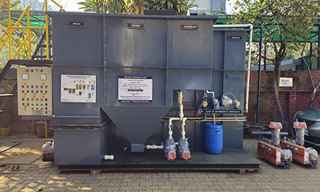
Effluent Treatment Plants are vital components in modern industrial operations, designed to manage and treat wastewater before it is released into the environment. These systems ensure that industrial effluents meet environmental regulations and minimize the harmful effects of pollutants. This comprehensive overview explores the importance, process, technologies, and benefits of ETPs, highlighting their role in sustainable industrial practices.
Importance of Effluent Treatment Plants
- Environmental Protection: ETPs prevent the discharge of harmful chemicals and pollutants into natural water bodies, protecting aquatic ecosystems and preserving biodiversity.
- Regulatory Compliance: Industries are required to adhere to stringent environmental regulations. ETPs ensure that wastewater treatment processes meet these legal standards, avoiding hefty fines and legal action.
- Public Health: Untreated industrial effluents can contaminate drinking water sources, posing serious health risks. ETPs mitigate these risks by removing hazardous substances from wastewater.
- Resource Conservation: ETPs enable the recycling and reuse of treated water in industrial processes, reducing the demand for fresh water and promoting sustainable water management practices.
Components of an Effluent Treatment Plant
- Preliminary Treatment:
- Screening: Removal of large solids and debris through coarse screens.
- Grit Removal: Separation of sand, gravel, and other heavy particles using grit chambers.
- Primary Treatment:
- Sedimentation Tanks: Settling of suspended solids through gravity in sedimentation tanks.
- Flocculation and Coagulation: Addition of chemicals to aggregate fine particles into larger flocs, which settle out of the water.
- Secondary Treatment:
- Biological Treatment: Utilization of microorganisms to break down organic matter. Common methods include activated sludge processes and trickling filters.
- Aeration: Introduction of air to promote microbial activity and oxidation of pollutants.
- Tertiary Treatment:
- Advanced Filtration: Use of sand filters activated carbon filters, and membrane filtration to remove finer particles and dissolved substances.
- Chemical Treatment: Addition of chemicals such as chlorine or ozone for disinfection and removal of specific contaminants like heavy metals and phosphates.
- Sludge Management:
- Thickening: Concentration of sludge by removing excess water.
- Digestion: Biological decomposition of organic matter in sludge, often through anaerobic digestion.
- Dewatering: Mechanical removal of water from sludge using centrifuges or filter presses.
- Disposal: Safe disposal or use of treated sludge, such as in land application or as a source of biogas.
Technologies in Effluent Treatment
- Membrane Bioreactors (MBRs):
- Integration of Biological Treatment and Filtration: Combining biological processes with membrane filtration for efficient removal of organic matter and pathogens.
- Advantages: High-quality effluent, compact design, and reduced sludge production.
- Sequential Batch Reactors (SBRs):
- Batch Processing: Treatment of wastewater in batches through a sequence of filling, reacting, settling, and decanting.
- Flexibility: Adaptable to varying wastewater flows and compositions.
- Advanced Oxidation Processes (AOPs):
- Chemical Oxidation: Use of powerful oxidants like ozone, hydrogen peroxide, and UV light to degrade complex organic pollutants.
- Applications: Effective in treating refractory and non-biodegradable compounds.
- Electrocoagulation:
- Electric Current Application: Use of electrical currents to induce coagulation and precipitation of contaminants.
- Benefits: Efficient removal of heavy metals, oils, and suspended solids with minimal chemical usage.
- Constructed Wetlands:
- Natural Treatment Systems: Use of engineered wetlands to treat wastewater through physical, chemical, and biological processes.
- Sustainability: Low energy requirements, habitat creation, and aesthetic value.
Benefits of Effluent Treatment Plants
- Cost Savings:
- Resource Recovery: Recycling and reusing treated water reduce fresh water procurement costs.
- Byproduct Utilization: Sludge treatment can produce biogas and fertilizers, generating additional revenue streams.
- Environmental Stewardship:
- Sustainable Practices: ETPs promote responsible industrial practices by minimizing environmental footprints.
- Biodiversity Conservation: Protection of aquatic ecosystems supports the conservation of biodiversity.
- Enhanced Corporate Image:
- Corporate Social Responsibility (CSR): Commitment to environmental protection enhances a company’s reputation and stakeholder trust.
- Market Competitiveness: Compliance with environmental standards can improve market access and customer preference.
- Operational Efficiency:
- Waste Reduction: Effective treatment processes reduce the volume and toxicity of industrial waste.
- Regulatory Assurance: Consistent compliance with regulations ensures uninterrupted operations and minimizes legal risks.
Challenges and Future Directions
- Technological Advancements:
- Innovation Needs: Continuous development of more efficient and cost-effective treatment technologies.
- Automation and Monitoring: Integration of advanced sensors and automation for real-time monitoring and control of treatment processes.
- Economic Considerations:
- Capital and Operational Costs: High initial investment and ongoing operational costs can be a barrier for small and medium enterprises.
- Financing and Incentives: Government incentives and financial support can encourage the adoption of ETPs.
- Regulatory Frameworks:
- Stringent Standards: Evolving environmental regulations require constant updates and improvements in treatment processes.
- Global Harmonization: Standardization of regulations across countries can facilitate international trade and environmental protection.
- Public Awareness and Engagement:
- Education and Outreach: Raising awareness about the importance of effluent treatment and sustainable practices among industries and the public.
- Community Involvement: Engaging local communities in monitoring and supporting wastewater treatment initiatives.
Conclusion
Effluent Treatment Plants are indispensable for sustainable industrial operations, ensuring the protection of the environment, public health, and compliance with regulatory standards. By adopting advanced treatment technologies and innovative practices, industries can achieve significant cost savings, operational efficiency, and a positive corporate image. The future of ETPs lies in continuous technological advancements, supportive regulatory frameworks, and increased public awareness, driving the global movement towards sustainable water management and environmental stewardship.


