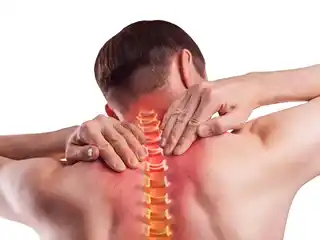
Chondrosis is the softening or loss of smooth cartilage, usually on the back of the kneecap. Kneeling, going down stairs, or sitting for lengthy periods might hurt the weakened cartilage under the kneecap. Pain management in Dallas, especially for conditions like this, offers advanced treatments with customized care and a range of different services to help individuals deal with their diseases.
Main Causes
Kneecaps are typically placed in front of knee joints. The rear of your kneecap glides across the femur cartilage at the knee when you bend. Your kneecap is connected to your shinbone and thigh by tendons and ligaments. If any of these parts don’t move, your kneecap may rub on your thigh. Improper kneecap mobility might come from:
Poor congenital alignment
Weak hamstrings and quadriceps
Thigh muscle imbalance between adductors and abductors
Knee joint stress from jogging, skiing, or jumping
Who is at The Risk of Getting It?
Several factors can cause chondromalacia patellae.
Age: Youth and young adults are at risk for this illness. Short-term muscular imbalances may result from fast muscle and bone growth during growth spurts.
Sex: Females are more susceptible to acquiring a runner’s knee due to their lower muscular mass. This can alter knee alignment and increase kneecap lateral pressure.
Flat Feet: Flat feet may stress the knees more than high arches.
Previously Injured: A kneecap dislocation increases your chance of runner’s knee.
Highly Active : Doing most activities or frequent knee-pressure workouts can cause knee issues.
Diagnosis
Your doctor will check for knee swelling and discomfort. They may also examine your kneecap-thigh bone alignment. Misalignment may indicate this condition .To assess tenderness and intensity, your doctor may apply resistive pressure to your extended kneecap. After that, your doctor may ask for any of these tests to diagnose and grade:
X-rays for bone damage, misalignment, or arthritis
MRI for cartilage deterioration and tear
Arthroscopic exam, which uses an endoscope and camera to view the knee inside.
Disease Stages
Initial chondromalacia sites are sensitive to fluid sequences. Increased cartilage thickness may induce edema. Arthroscopic findings, cartilage thinning depth, and subchondral bone alterations grade chondromalacia patella. MRI shows moderate to severe stages.
Stage 1
Broken vertical collagenous filaments weaken and expand articular cartilage. Arthroscopy shows spongy cartilage.
Stage 2
Superficial and deep cartilaginous layers separate, causing articular cartilage blisters.
Stage 3
Cracks, ulceration, fragmentation, and fibrillation of cartilage to subchondral bone, impacting less than 50% of the patellar articular surface.
Stage 4
The visible subchondral bone on more than half of the patellar articular surface is breaking down, burning, hardening, and wearing away. Additionally, osteophytes are made at this time.
A CMP is a pathological or surgical finding that indicates articular cartilage trauma or divergent loading, not a source of anterior knee pain.
Treatment Options
It usually affects the patella (knee cap) but can affect any joint. The treatment depends on severity, joint involvement, patient health, and activity level. The best pain doctors in Dallas offer comprehensive pain management services. Some of the treatment options are listed below:
Non-Surgical Treatments
Early diagnosis of chondrosis before severe osteoarthritis allows non-invasive treatment. Some of these are:
Exercise is the best lifestyle measure. Tai chi, yoga, and balance are advised.
A cane and joint bracing are also advised. Heat, therapeutic cooling, and acupuncture can help.
Physical therapy is the best recommendation. Learning safe activities to strengthen muscles around the injured joint will improve support and stability to prevent additional damage.
Occupational therapy can help you safeguard your joints. This is crucial if your employment is causing the issue. Neck, back, and wrist pain can be reduced by ergonomic workstation adjustments.
Weight loss relieves stress on weight-bearing joints and reduces low-grade inflammation that causes pain elsewhere in the body, including the hands.
Controlling blood sugar with appropriate lifestyle choices helps slow osteoarthritis in diabetics. High blood sugar stiffens and weakens cartilage, making it more vulnerable. Inflammation from diabetes worsens joint discomfort.
Medicine and Supplements
Medication is used alongside various non-surgical treatments to alleviate mild to moderate joint discomfort.
OTC Drugs
Your doctor may prescribe over-the-counter painkillers like paracetamol and oral or topical NSAIDs. It is advised to take topical NSAIDs before oral usage. The idea is to explore a local route before a systemic one. Capsaicin-containing knee creams may temporarily relieve knee osteoarthritis discomfort. The recommendations advise against topical usage for hand osteoarthritis due to a lack of evidence and the danger of getting the drug into the eyes through the hands.
Prescription Drugs
Tramadol and duloxetine are approved osteoarthritis medicines. Corticosteroid injections are also recommended for hand, hip, or knee joints. For bone and joint support, your doctor may recommend vitamin K and calcium supplements. The results may take two to three months to appear.
Glucosamine and chondroitin are popular U.S. dietary supplements for bone and joint health. Both of them are not useful in treating hip or knee osteoarthritis; hence, they are avoided. Hand osteoarthritis may benefit from chondroitin supplementation.
Surgery
Surgery can permanently treat severe pain or movement issues caused by chondrosis. Not exercising, sleeping well, or using high amounts of pain medication are bad for your health. Surgery may be appropriate when the risks of your disease and treatment plan outweigh the benefits. Discuss the procedure indicated for your situation with your doctor. Arthroscopic surgery may be needed to remove swollen tissue and stabilize or replace cartilage. It takes time and training to get better after joint surgery. Optimal health before surgery increases your chances of a successful recovery.
Prevention
Avoid repetitive knee-cap stress. Wear knee protectors if you must kneel. Build muscle balance by strengthening the quadriceps, hamstrings and abductors. Increase your arch with shoe inserts for flat feet. This reduces knee pressure and may realign the kneecap. Finally, obesity can strain the knees. Maintaining a healthy weight relieves knee and joint discomfort. Reduce your sugar and fat intake, eat more vegetables, fruits, and whole grains, and exercise 30 minutes a day, five days a week, to lose weight.
Conclusion
Chondrosis, which breaks down joint cartilage, can result from overuse, trauma, and aging. It mostly affects the knees, hands, hips, neck, and lower back. The affected area may hurt and stiffen. There is no cure for this disorder; however, certain therapies may reduce symptoms and decrease disease development. Your doctor and experts will help you discover a solution.